 Le son du VorteX | Radio
🔴 LIVE NOW ON VORTEX
📻 Vortex Sessions 🎧 (Indie pop, synth-pop, alternative rock)
──────────────
🎵 Nick Hakim - Real Here Now
▶️ Écouter / Listen : VorteX [Radio]
https://lesonduvortex.net
💬 Join us on Discord:
https://discord.gg/d82hJZBeDE
🔴 LIVE NOW ON VORTEX
📻 Vortex Sessions 🎧 (Indie pop, synth-pop, alternative rock)
──────────────
🎵 Nick Hakim - Real Here Now
▶️ Écouter / Listen : VorteX [Radio]
https://lesonduvortex.net
💬 Join us on Discord:
https://discord.gg/d82hJZBeDE
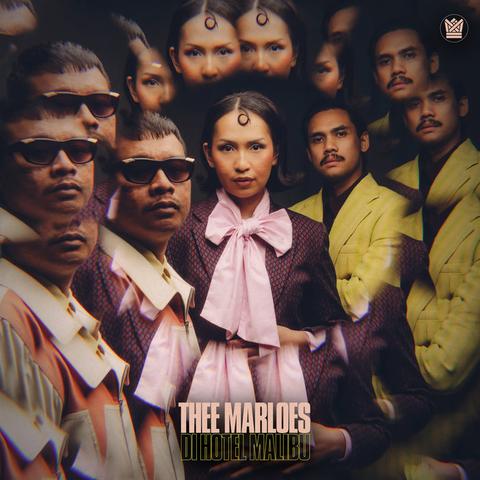
I am absolutely in love with Thee Marloes' new album. What a vibe!
https://theemarloes.bandcamp.com/album/di-hotel-malibu
#psychsoul #psychedelicsoul #soul #rnb #indonesian #theemarloes #newmusic
14 track album
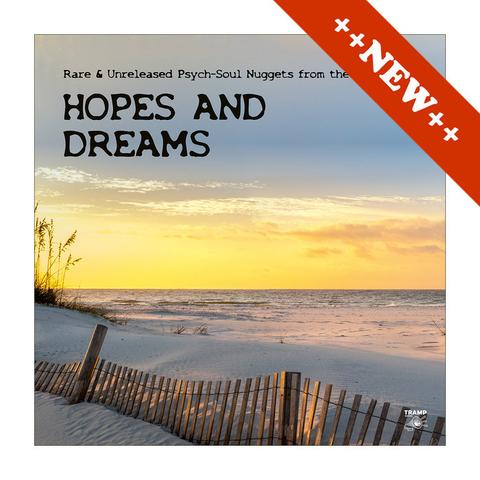
Hopes & Dreams - Rare & Unreleased Psych-Soul Nuggets from the 1970s
https://tramprecords.bandcamp.com/album/hopes-dreams-rare-unreleased-psych-soul-nuggets-from-the-1970s
13 track album
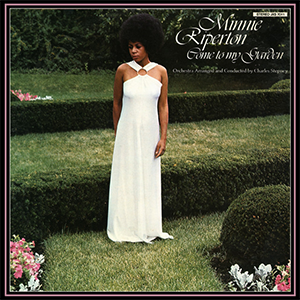
Listen to this track by one-time Chess Records staffer and Rotary Connection member turned magnificently gifted solo chamber-soul pioneer Minnie Riperton. It’s “Les Fleurs”, a single taken from her 1970 solo debut record, Come to My Garden. That album and this tune comes out of Riperton’s working relationship with Charles Stepney, her Rotary Connection bandmate who co-wrote this song and others with Chess records songwriter (and Riperton’s husband) Richard Rudolph.
“Les Fleurs” is the most recognized cut from the record, and is certainly rife with the countercultural sentiments of flowers, peace, love, and all that other hippy stuff. But it is also a lushly realized slice of orchestral pop that sounds like a dreamier take on Bacharach and David’s collaborations with Dionne Warwick, full of descending chords, lushly varied instrumentation, and of course Riperton’s unique voice that carries the whole thing like a beam of sunshine through parting clouds.
There’s just something deeply resonant about this tune that makes it more than what it seems to be on the surface, belonging to no single genre while seeming to draw from many. What is the source of magic in this song? Can it actually even be pinpointed?
This song is truly a marvel. As much as it reflects the sound of a certain era in pop music, it also serves to remind modern listeners of where early 21st century downtempo outfits like Groove Armada and Zero 7 drew some of their sonic inspiration. More recently still, the song features in Jordan Peele’s 2019 psychological horror film Us in which its brightly haunting quality offsets the horrific conclusion of that movie to striking effect. It is a powerful piece of art that turned out to be built to last.
Initially, the album and this song made no significant impact on the charts. Riperton would later win fame with her song “Lovin’ You” in 1975, a tune that showcases her unique whistle range that would inspire generations of pop soul singers. This includes Mariah Carey who would build a reputation on her similar capacity for seemingly effortless octave-spanning. Yet this earlier cut from Riperton is something entirely other, far removed from pop music as it would come to be in ensuing decades for charting pop singers.
Vinyl, 7″, 45 RPM, Record Store Day, Single, 2020 UK Reissue, Repress, Stereo“Les Fleurs” feels complex in terms of its arrangement and structure, with so many elements thrown in that might otherwise be too crowded or unfocused in another song; a superb lead voice joined with a chorus of others, brass, strings, guitar, all of them evoking huge and sweeping musical vistas that might easily sound overwrought in the hands of another artist. But even in its grandness, its tone remains playful and light as air thanks to Riperton’s nuanced delivery. Her soothing voice offsets a kind of primal portent that one can’t quite define. The song’s startling beauty provokes a kind of terror even in the optimism and jubilance of its lyrics. This is perhaps why it works so well as a concluding song to Jordan Peele’s aforementioned movie.
The song is a reflection of a unique perspective; that of a flower given expressive powers and hinting at an embodiment of nature itself in all of its ancient power; awesome in the original sense of the word. What’s more overwhelming in its beauty and terror than that? It’s this sense of existential grandeur that’s the heart of the song and is the source of its sheer scale, carried by Minnie Riperton’s considerable powers as an interpreter at the center of its towering, hymn-like structure.
“Ring all the bells, sing and tell the people
Everywhere that the flower has come
Light up the sky with your prayers of gladness
And rejoice for the darkness is gone
Throw off your fears let your heart beat freely
At the sign that a new time is born”
-Minnie riperton, “Les fleurs”
There are some songs that one can acknowledge as great for easily-citable reasons. They make you move. They make you think. They make you feel something. Songs like these may feature a structure or performance that stands out as innovative and iconic.
But there are other songs that may reflect all of these things, yet remain to be utter mysteries that any one expression of delight and effusion of praise can’t quite capture. They feel as if they exist outside of space and time somehow and cannot be contained by genre or by any other description. “Les Fleurs” is one of these, a sterling example of how music itself is always more than the sum of its parts; the closest thing to magic as we’re likely to experience.
Minnie Riperton died of breast cancer in 1979 at the too-young age of 31.
To learn more about her and her artistic impact, read this article from uDiscoverMusic that finds her daughter, actor and comedian Maya Rudolph, talking about memories of her Mum on the anniversary of Riperton’s 1974 album Perfect Angel.
For more on “Les Fleurs” and its incredible artistic reach as a recording, check out this article and accompanying video that finds modern country-soul singer Yola talking about the significance of this song with greater eloquence and levels of musical insight than is available to most.
Enjoy!
Type your email…
Subscribe to The Delete Bin
https://thedeletebin.com/2024/03/06/minnie-riperton-sings-les-fleurs/
#70sMusic #chamberPop #MinnieRipperton #orchestralPop #PsychSoul
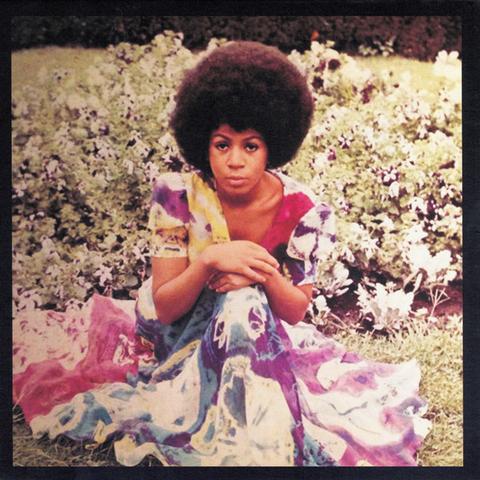
https://youtu.be/Uv4D1gAuRdY?si=rePMNScfB5uzkSiw
La meva #CançóDelDia per al dijous 7 de març és aquesta de la #GhostFunkOrchestra #Salsa #RnB #IndiePop #PsychSoul #NYC 🦾!


Private Garage Psych Soul Produced by T. Lazar and G. Bobalik Recorded at Bill Lamb Productions, Flint, Michigan
La meva #CançóDelDia és avui d'#SlyAndTheFamilyStone #Frisco #PsychRock #PsychSoul #Funk ✊🏿!

 Chris Carlier | Short Songs
 john.brown_typeface
 HeadphonesNeil
 The Delete Bin
 Lluís Miquel Soto ✊🏿⛏️💪!
 Juan A. Zamarripa [E.]