 charring auh
#Placoderms (from Ancient Greek πλάξ [plax, plakos] 'plate' and δέρμα [derma] 'skin')[1] are vertebrate animals of the class Placodermi, an extinct group of prehistoric fish known from Paleozoic fossils during the Silurian and the
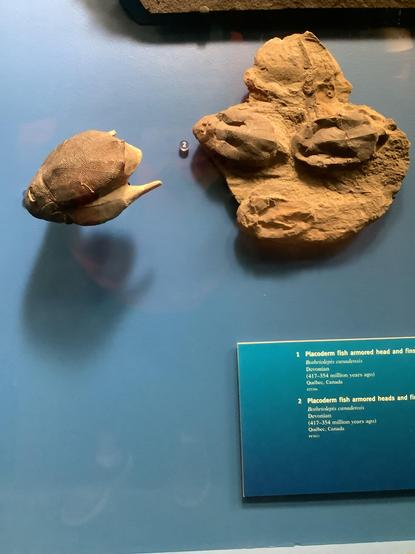
Another recording from the Paleo 2026 symposium has been posted! Learn about recent research on placoderms (early armoured fishes like Dunkleosteus) with Dr. Melina Jobbins of the University of Manitoba!
#palaeontology #paleontology #fossils #fish #placoderms #alberta
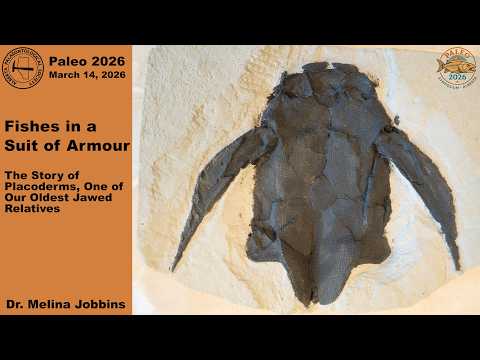
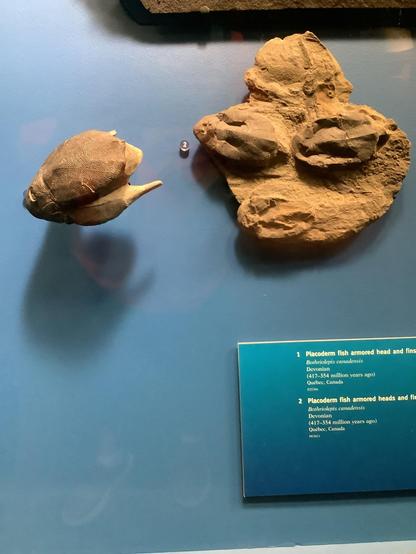
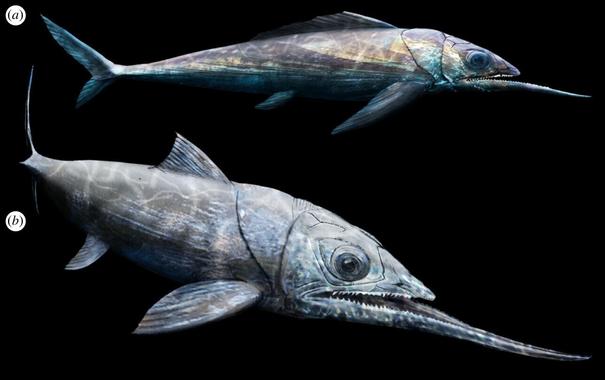
A 365-million-year-old #fish with an extreme underbite showcases #vertebrate diversity https://phys.org/news/2024-01-million-year-fish-extreme-underbite.html
Extreme lower jaw elongation in a #placoderm reflects high disparity and modularity in early vertebrate #evolution: Melina Jobbins et al. https://royalsocietypublishing.org/doi/10.1098/rsos.231747
"Alienacanthus is a member of #placoderms, which are some of the first jawed #vertebrates. They are armored fish of various shapes and sizes and are essential to understanding the evolution of vertebrates"
 Alberta Palaeo Society
 Charring Auh
 Lukas VFN 🇪🇺