We all know about soulless, junk Web sites operated to farm for hits and inbound links, but here's a case study in the modern version with LLM thievery.
Being always up for trying new cooking styles, I decided to do Filipino Chicken Curry (https://mypinoyrecipes.com/creamy-filipino-chicken-curry-with-potatoes-and-carrots/) yesterday evening. As a Norwegian ethnic, I'm pretty far from the Filipino tradition (ja sure; you betcha), but try to understand other cultures' cuisines from their internal perspective, to do it right -- and this author, talented chef Tita Joy, stressed "Fish sauce (or salt, in a pinch, but fish sauce makes it Filipino)".
Some quick checking found that what I really wanted was "patis", the Tagalog name for fermented fish and salt made into a beautiful amber liquid, the most famous brand being Rufina (its competitor being Kamayan).
Credible sources said patis is the foundation of that national cuisine, and, hey, being from a fish culture, I'm aboard for that. Both of our Filipino groceries were closing for the day, so I fired up a search engine to learn more.
Searching "patis fish sauce" found page "The Ultimate Guide to Filipino Fish Sauce (Patis): Traditional Uses, Recipes, and Modern Applications"(https://www.yourfishguide.com/the-ultimate-guide-to-filipino-fish-sauce-patis-traditional-uses-recipes-and-modern-applications/) as highly ranked.
"Don't trust search engines in 2026", you say. I know; I didn't. Point, though, is that for a couple of minutes, this LLM-extruded page looked credible. I'm here to report what the tipoffs were about it being junk.
1) Although already giving the hairy eyeball to the suspiciously generic Internet domain, at first I was distracted by page contents, themselves, seeming reasonably apparently informative, and in coherent English. Skimming along, 2/3 down, under "Choosing the Right Fish Sauce" there's a link from "here’s a comprehensive guide to selecting the perfect fish sauce." OK, I'm interested -- but it goes to page "Essential Beach Fishing Gear: The Complete Guide for 2025" on (naturally) the same site. ¿Que?
Ah, right, the jig is now up. And one of the hallmarks of LLM slop is small but puzzling logic failures once you look past the glib, smooth, and artlessly personality-free prose style (another tipoff, if you're sensitive to authorial "voice"). Let's confirm a little more:
2) Basically every link from the first page is like that.
3) It's always worthwhile pondering "What is this site for?" Looking at the front page reveals a site not really designed to tell any real story; it's just a container for LLM-extruded slop, vaguely about fish. Nothing about this quite makes sense; it's not designed to.
Point being, information has context, and asking "What is the context of this page's information on this particular site?" is often helpful.
Anyway, I offer those insights to help others more quickly cease wasting time, or getting fooled, by such sites, spotting them by their characteristic types of wrongness.
I'm hoping it takes a while for these fsckers to start autoextruding entire food recipes using LLMs. Start now, at getting good and quick at spotting LLM fakery, because it's coming for every type of effort on the Internet. And: Cherish sites from real chefs you know and trust.
My very modest offerings: http://linuxmafia.com/~rick/recipes/
#enshittification
#pinoyfood
#LLMs
 Foodie Grandpa
 Rick Moen 🇺🇸 🇳🇴 🇬🇧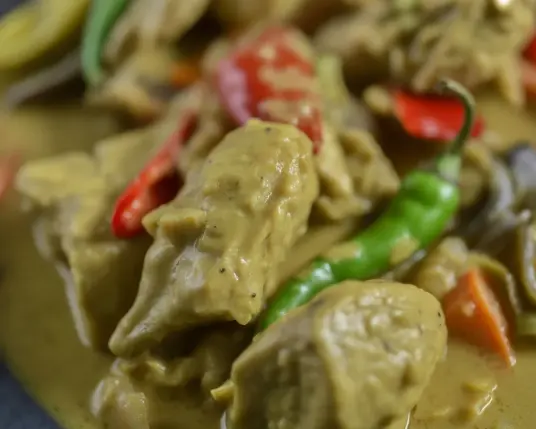
 Yohan Yukiya Sese Cuneta 사요한 🦣
 Yohan Yukiya Sese Cuneta 사요한 謝雪矢
 Lisa MarcAurele