 Electric Trike
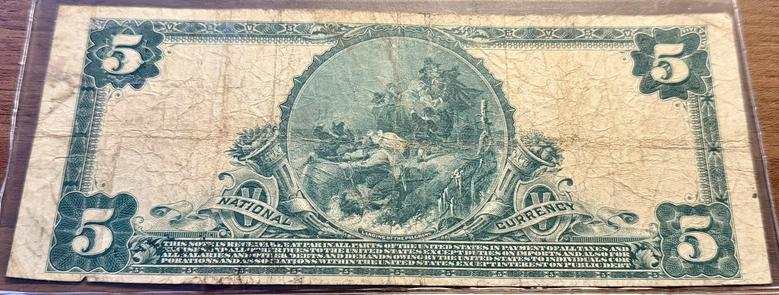
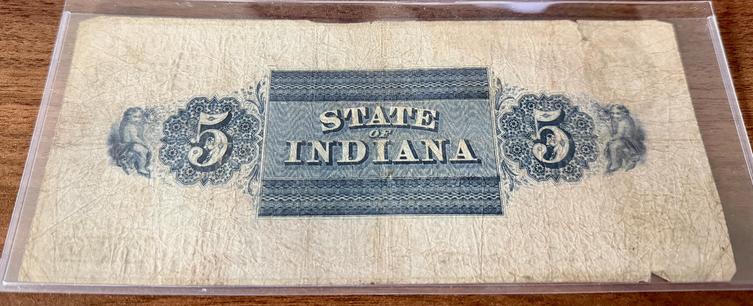
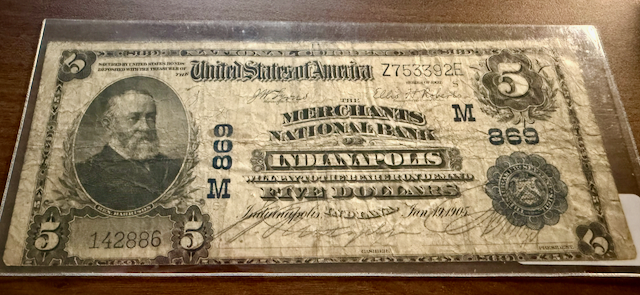
#Trump's #signature to appear on #US #PaperCurrency, #USTreasury says.
The department of treasury announced that US paper currency will soon feature Trump’s signature to commemorate the country’s 250th anniversary.
The move marks the first time a sitting US president’s signature will appear on legal tender. To accommodate this change, the treasurer’s signature will be removed for the first time since 1861.
“Under President Trump’s leadership, we are on a path toward unprecedented economic growth, lasting dollar dominance, and fiscal strength and stability,” said secretary of the treasury Scott Bessent in a statement. “There is no more powerful way to recognize the historic achievements of our great country and President Donald J. Trump than U.S dollar bills bearing his name, and it is only appropriate that this historic currency be issued at the Semiquincentennial.”
The first $100 bills with Trump’s signature and that of Bessent will be printed in June, followed by other bills in subsequent months, according to Reuters.
“As the 250th anniversary of our great nation approaches, American currency will continue to stand as a symbol of prosperity, strength, and the unshakable spirit of the American people under President Trump’s leadership,” said treasurer Brandon Beach in a statement.
***********************
I’m guessing the #TrumpSignatureNotes will double as postage stamps.
Just so people can spit on them #uspol. #auspol #dictatorship #TrumpRegime
 Matt 😎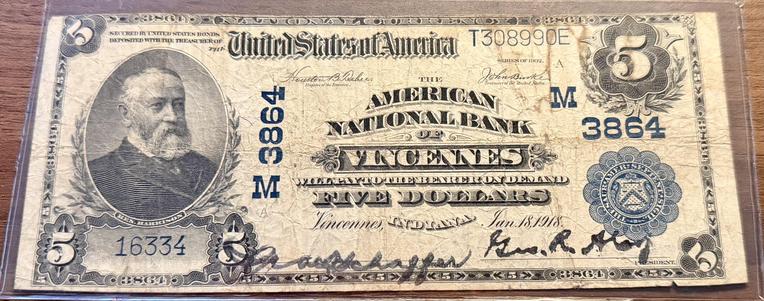

 Poetry News