 Stefan Johansson, MD PhD
#nicuverse - have you seen the publication from Sweden about dexamethasone eye drops for ROP? What do you think about it?
Find fulltext link and discussion in the @99nicu forum here:
#nicuverse - have you seen the publication from Sweden about dexamethasone eye drops for ROP? What do you think about it?
Find fulltext link and discussion in the @99nicu forum here:
We are excited to share in the #nicuverse that we are starting a collaboration with #NeoIPC, a European Union-funded initiative addressing hospital-acquired infections and antimicrobial resistance in neonatal units.
Read details here: https://99nicu.org/blogs/entry/454-building-bridges-99nicuorg-welcomes-neoipc/

We are excited to share news that 99nicu.org has begun collaborating with NeoIPC, a European Union-funded initiative addressing hospital-acquired infections and antimicrobial resistance in neonatal units.What is NeoIPC?Nearly 1 in 10 European newborns requires NICU admission in their first days o...
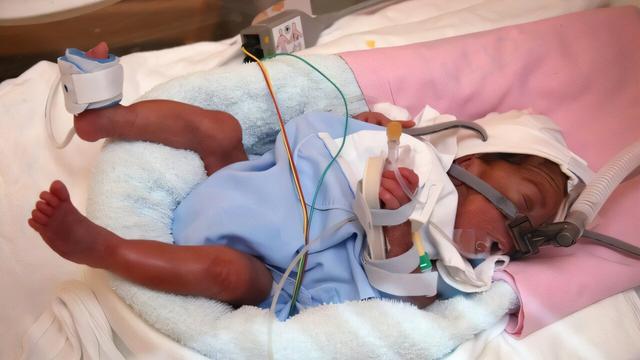
Extremely preterm birth (before 28 weeks of gestation) places infants into the world at one of the most extraordinary moments in human development. The brain at this stage is not simply growing; it is folding, organizing, and laying down the networks that will eventually support language, memory, attention, and learning. It is doing all of this in the dark, in the warmth, protected. When birth happens this early, all conditions change in an instant.
While having some train time, I had some time to summarize some thoughts about the difficult discussion and debate that is emerging in Sweden, about what is in the best interest of infants born at 22 and 23 weeks. It is a longer blog post on the @99nicu web site, but wanted to share the link to it here in the #nicuverse as well. I looking fw to hear your thoughts.
https://99nicu.org/blogs/entry/457-quality-of-life-in-adults-born-extremely-preterm-and-large-gap-between-what-we-know-and-what-we-need-to-know/
#NeoMastodon

Sweden is a good country to be born extremely preterm. Neonatal intensive care is centralized and pretty much equally organized, and outcomes are regarded as good and similar throughout the country. Like in most other European countries, the welfare system enables equal access for all, practicall...
Objectives To assess feasibility of recruitment and compare clinical outcomes in a trial of early selective treatment of a moderate–severe patent ductus arteriosus (PDA) or no intervention in the first 7 postnatal days in extremely preterm infants. Design Multicentre, open-label, parallel-design pilot randomised controlled trial Setting Seven tertiary/quaternary neonatal intensive care units. Patients Infants <26 weeks gestational age (GA) with a PDA diagnosed within 72 hours after birth. Interventions Participants were randomised to an early echocardiographic screening within the first 72 hours followed by selective medical treatment (SMART) strategy of a moderate–severe PDA shunt or no intervention in the first 7 days. Main outcome measures The primary feasibility outcome was the proportion of eligible infants enrolled. Important secondary outcomes included a composite clinical endpoint of survival without major morbidity. Results 116 of 185 eligible infants were enrolled (63%, 95% CI 56% to 70%; SMART, n=51, Control, n=53). Of them, 104/116 (90%) (mean GA 24.3 weeks, birth weight 714 g) were randomised. Protocol deviation was 1.9%. Based on the treatment algorithm, 24% infants randomised to SMART never required treatment. Median treatment initiation age in the SMART arm was 2 days (IQR 1–2.5 days). The SMART strategy demonstrated an 85% probability of a better Win ratio (1.34, 95% CrIs 0.73 to 2.5) compared with control. Conclusions A trial of selective early PDA pharmacotherapy based on clinical and echocardiography grading of PDA shunt volume in the smallest infants is feasible with minimal protocol deviation. Early echocardiography screening and selective pharmacotherapy using the SMART-PDA algorithm may enhance the probability of survival with less morbidities in infants born <26 weeks GA. Trial registration number [NCT05011149][1]. Data are available upon reasonable request. Technical appendix, statistical code and dataset available will be published in an online repository and will be available upon reasonable request. [1]: /lookup/external-ref?link_type=CLINTRIALGOV&access_num=NCT05011149&atom=%2Ffetalneonatal%2Fearly%2F2026%2F05%2F18%2Farchdischild-2026-330462.atom
RE: https://nicuverse.org/@JAPANicu/116587394271004959
Dear all in the #NICUverse and on #NeoMastodon, please take the survey below!


 Acta Paediatrica
 99nicu