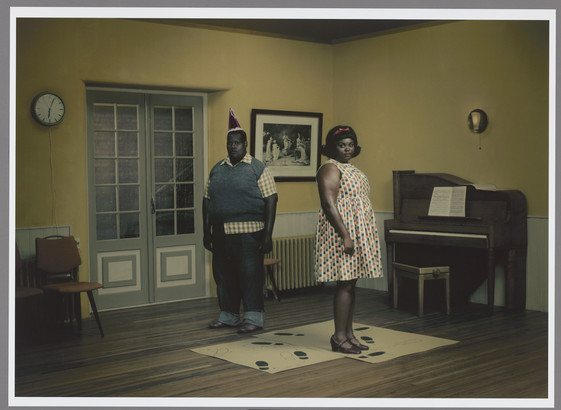
Marveling at The Dancing School,
#Rijksmuseum. A scene woven by Erwin Olaf in 2004 that beams elegance and self-expression. Wonder what conversations the dancers are having?
#ArtInspires #MuseumMusingshttps://www.rijksmuseum.nl/nl/collectie/RP-F-2018-38-65-2
The Dancing School, Erwin Olaf, 2004 - Rijksmuseum
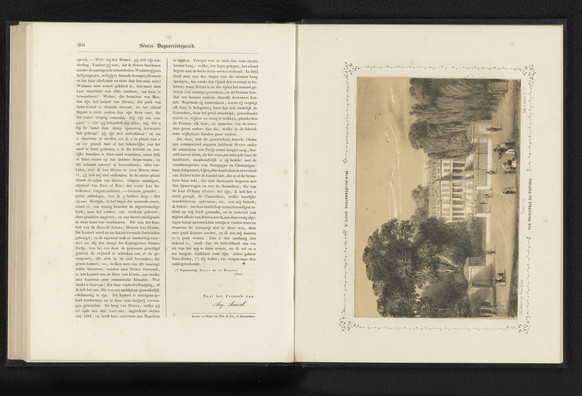
Evolving skies over Saint-Cloud Castle by A. Provost, 1839
#Rijksmuseum. A wisp of nostalgia or an echo of revolution? Who can perceive its tales?
#ArtDiaries #ThrowbackThursdays #MuseumMusingshttps://www.rijksmuseum.nl/nl/collectie/BI-H-3764-52
Gezicht op het Kasteel van Saint-Cloud, A. Provost, naar anoniem, 1839 - in of voor 1840 - Rijksmuseum
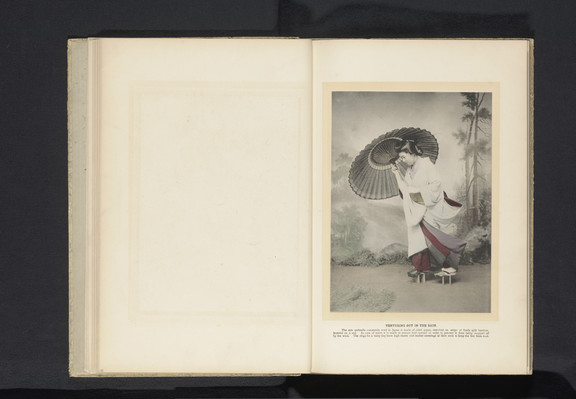
Exploring #Rijksmuseum's "Vrouw met een paraplu." A timeless piece, anonymous yet profound. Often wonder—what stories hide behind her shaded gaze?
#ArtSpeaks #MuseumMusings #Vrouwmotanparaplu
What's your tale?
https://www.rijksmuseum.nl/nl/collectie/RP-F-2001-7-1570-16

Vrouw met een paraplu, anoniem, ca. 1895 - in of voor ca. 1900 - Rijksmuseum
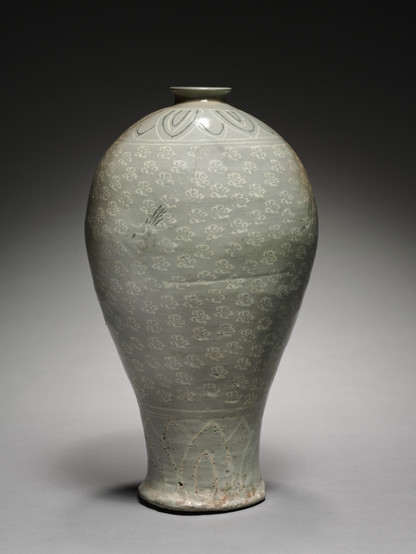
Immerse in the celestial elegance of
#ClevelandMuseumofArt's Prunus Vase, a flawless ensemble of inlaid clouds & flying cranes. Isn’t it like grasping a piece of the sky? 💫🕊️
#ArtLove #MuseumMusings Ever hold a piece of the cosmos in your hands
https://clevelandart.org/art/1921.634
Prunus Vase with Inlaid Clouds and Flying Cranes Design | Cleveland Museum of Art
As early as the seventh century, the practice of drinking tea and wine became an important part of elite culture in Korea. Once used to store alcoholic beverages, this type of vase features a wide body followed by a sharply rounded shoulder, a short neck and a small opening. Most of the remaining examples no longer have a lid, but originally it may have had a lid that not only covered the opening, but also served as a cup.
Discovering symbolism in
#ClevelandMuseumofArt's Deer Effigy Vessel. Power? Fertility? Both? So much meaning packed into this intricate piece. What does it symbolize to you?
#ArtAesthetics #MuseumMusings #InterpretingArthttps://clevelandart.org/art/1997.60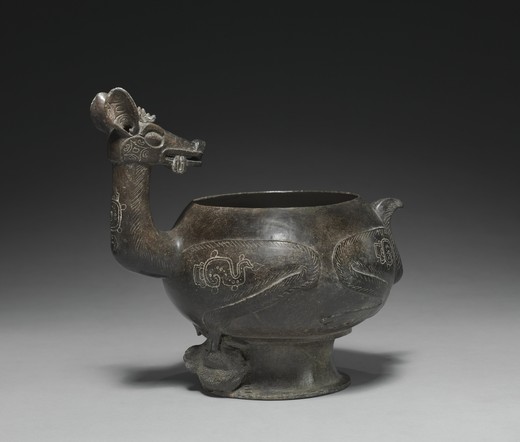

Deer Effigy Vessel | Cleveland Museum of Art
Maya artwork from the Early Classic Period (about AD 250-600) is dominated by three-dimensional sculpture in jade, stone, wood, and especially ceramic. This vessel is an exceptionally elegant example of Maya blackware, produced by firing earthenware pottery in a reducing (low oxygen) atmosphere. The deer is frequently depicted in Maya art, usually as a victim of either hunting or sacrifice. Venus signs and conch shells engraved on the deer also suggest death, for the planet Venus was regarded as a bringer of ill-fortune, and conch shell trumpets were carried by hunters. The small frog or toad pressed firmly under the deer's hoof relates to agricultural fertility. The croaking of these amphibians was a harbinger of rain.
 Hidden Gems