
E190 1:400 - SLA 2
The Embraer E190 is a sleek, narrow-body twinjet known for its comfortable 2-2 seating configuration, optimizing passenger flow. Its high aspect ratio wing and efficient GE CF34-10E engines provide excellent performance for regional routes.
Someone gave me a suggestion to upload this, E1900, on Cults, so I did. This might make you confused, the attached pictures above are with 1:600, the one on the right is the whole model and the one on the left is the one where the two wings are separate but one whole part. The file that you will download later is with 1:400 and has never been printed before, the wings are split in two, the right and left, this I did because the results are better especially for the print, and this has been done on other models before. This model was printed using the Anycubic Photon Mono printer, hope you like it, thanks for stopping by.
Here’s what each label means:
- FDM: Printed on an FDM machine. These versions have lower detail, no panel lines, no engine blades, and use thicker walls.
- SLA 1: Printed on an SLA machine. These include antennas, include engine blades, have thinner walls, but still do not have panel lines.
- SLA 2: Same as SLA 1, but with added panel lines for higher surface detail.
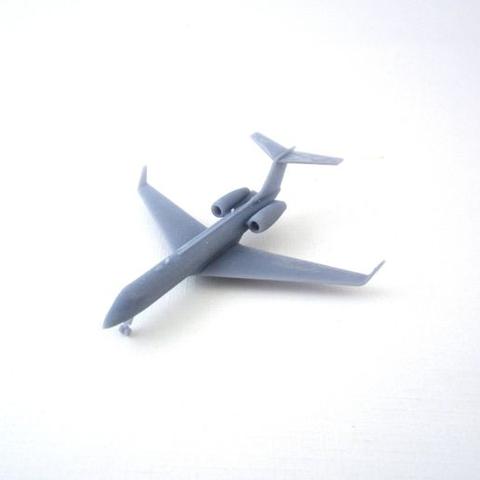
Gulfstream G550 1:400 - SLA 1
The Gulfstream G550 is a luxurious long-range business jet, known for its elegant design and cutting-edge technology. With a sleek, streamlined body and spacious interior, it combines comfort and performance for both private and corporate travel. Equipped with advanced avionics and a powerful engine, the G550 can cover vast distances, ensuring efficiency and reliability at high altitudes.
Here’s what each label means:
- FDM: Printed on an FDM machine. These versions have lower detail, no panel lines, no engine blades, and use thicker walls.
- SLA 1: Printed on an SLA machine. These include antennas, include engine blades, have thinner walls, but still do not have panel lines.
- SLA 2: Same as SLA 1, but with added panel lines for higher surface detail.
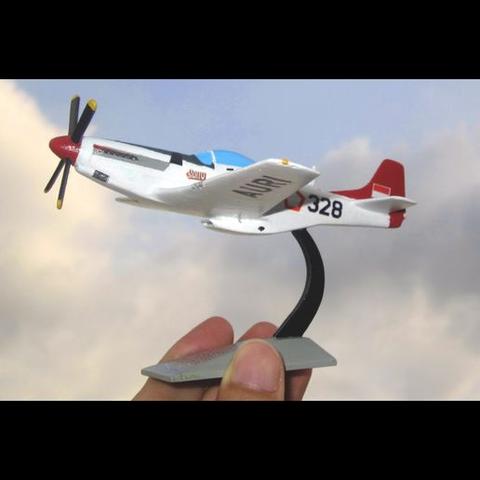
P-51D Mustang Sally AURI - FDM
The P-51D Mustang Sally AURI is a definitive bubble-canopy fighter, highly regarded for its robust Packard V-1650-7 Merlin engine and laminar flow wing design. Its service history with the Angkatan Udara Republik Indonesia (AURI) is particularly notable, including a confirmed air-to-air victory during the 1958 Permesta rebellion.
This model has been so long ago that I forgot how it started. But I'm sure it's the same as the other models here, I also provide attachment images, not sequences, but only as an installation description. I divide into 3 groups, like in the attachment photo above. Group # 1, also other groups, you can print it with a layer height of 0.1mm or less. Group # 2, all of them are on the right side, so you can make a mirror of the model. Group # 3, number 11, you can multiply it to 4 or more because of its small size. If you want to paint it, I also provide the .svg and you can print the decal.
Here’s what each label means:
- FDM: Printed on an FDM machine. These versions have lower detail, no panel lines, no engine blades, and use thicker walls.
- SLA 1: Printed on an SLA machine. These include antennas, include engine blades, have thinner walls, but still do not have panel lines.
- SLA 2: Same as SLA 1, but with added panel lines for higher surface detail.

ATR 72-600 1:500 - FDM
The ATR 72-600 is a highly efficient, twin-engine turboprop airliner recognized for its excellent short-field performance and low operating costs, making it a staple for regional routes globally. It incorporates a modern glass cockpit featuring a Thales avionics suite for enhanced situational awareness and navigation capabilities.
This model is printed using an FDM printer, I hope you like it, thank you.
Here’s what each label means:
- FDM: Printed on an FDM machine. These versions have lower detail, no panel lines, no engine blades, and use thicker walls.
- SLA 1: Printed on an SLA machine. These include antennas, include engine blades, have thinner walls, but still do not have panel lines.
- SLA 2: Same as SLA 1, but with added panel lines for higher surface detail.

KC-135E 1:500 - SLA 2
The KC-135E, a legacy tanker variant of the Stratotanker family, primarily featured the TF33-PW-102 turbofan engines which provided increased thrust compared to the original J57 turbojets, enhancing its capability for aerial refueling operations. This model retained the flying boom system and served as a vital force multiplier before its eventual retirement, leveraging its robust airframe design for decades of service.
Here’s what each label means:
- FDM: Printed on an FDM machine. These versions have lower detail, no panel lines, no engine blades, and use thicker walls.
- SLA 1: Printed on an SLA machine. These include antennas, include engine blades, have thinner walls, but still do not have panel lines.
- SLA 2: Same as SLA 1, but with added panel lines for higher surface detail.
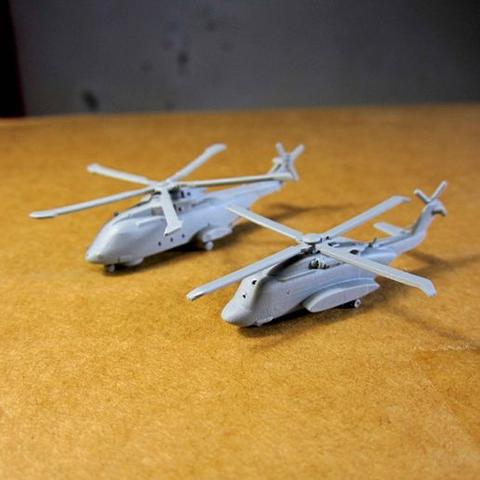
S-92A Helibus 1:400 - SLA 2
The S-92A Helibus features a sleek, modern fuselage with smooth contours designed for stability and efficiency in flight. Its spacious cabin and large windows give it a distinctive profile often associated with VIP transport and advanced rescue operations. The twin-engine layout and high tail boom create a balanced, purposeful silhouette recognizable from almost any angle.
S-92A Helibus 1S-92A Helibus 1/400, this helicopter is printed with a resin printer, and here is a video link about how this helicopter is printed: https://youtu.be/kDWcNtzA1u8
Here’s what each label means:
- FDM: Printed on an FDM machine. These versions have lower detail, no panel lines, no engine blades, and use thicker walls.
- SLA 1: Printed on an SLA machine. These include antennas, include engine blades, have thinner walls, but still do not have panel lines.
- SLA 2: Same as SLA 1, but with added panel lines for higher surface detail.
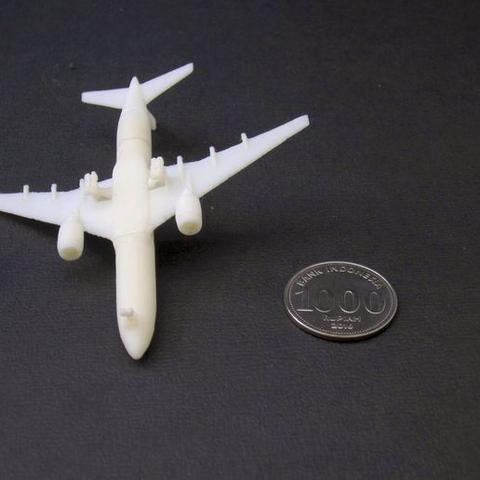
B777-200 1:750 - FDM
The Boeing 777-200 is a long-range, wide-body twinjet known for pioneering the ETOPS (Extended-range Twin-engine Operational Performance Standards) certification, allowing it to fly routes previously restricted to three- or four-engine aircraft. Its distinctive landing gear features six wheels per main bogie, a design choice necessary to distribute its significant weight on standard taxiways and runways.
Here’s what each label means:
- FDM: Printed on an FDM machine. These versions have lower detail, no panel lines, no engine blades, and use thicker walls.
- SLA 1: Printed on an SLA machine. These include antennas, include engine blades, have thinner walls, but still do not have panel lines.
- SLA 2: Same as SLA 1, but with added panel lines for higher surface detail.
ATR 72-600 1:500 - FDM
The ATR 72-600 is a highly efficient, twin-engine turboprop airliner recognized for its excellent short-field performance and low operating costs, making it a staple for regional routes globally. It incorporates a modern glass cockpit featuring a Thales avionics suite for enhanced situational awareness and navigation capabilities.
This model is printed using an FDM printer, I hope you like it, thank you.
Here’s what each label means:
- FDM: Printed on an FDM machine. These versions have lower detail, no panel lines, no engine blades, and use thicker walls.
- SLA 1: Printed on an SLA machine. These include antennas, include engine blades, have thinner walls, but still do not have panel lines.
- SLA 2: Same as SLA 1, but with added panel lines for higher surface detail.
KC-135E 1:500 - SLA 2
The KC-135E, a legacy tanker variant of the Stratotanker family, primarily featured the TF33-PW-102 turbofan engines which provided increased thrust compared to the original J57 turbojets, enhancing its capability for aerial refueling operations. This model retained the flying boom system and served as a vital force multiplier before its eventual retirement, leveraging its robust airframe design for decades of service.
Here’s what each label means:
- FDM: Printed on an FDM machine. These versions have lower detail, no panel lines, no engine blades, and use thicker walls.
- SLA 1: Printed on an SLA machine. These include antennas, include engine blades, have thinner walls, but still do not have panel lines.
- SLA 2: Same as SLA 1, but with added panel lines for higher surface detail.
S-92A Helibus 1:400 - SLA 2
The S-92A Helibus features a sleek, modern fuselage with smooth contours designed for stability and efficiency in flight. Its spacious cabin and large windows give it a distinctive profile often associated with VIP transport and advanced rescue operations. The twin-engine layout and high tail boom create a balanced, purposeful silhouette recognizable from almost any angle.
S-92A Helibus 1S-92A Helibus 1/400, this helicopter is printed with a resin printer, and here is a video link about how this helicopter is printed: https://youtu.be/kDWcNtzA1u8
Here’s what each label means:
- FDM: Printed on an FDM machine. These versions have lower detail, no panel lines, no engine blades, and use thicker walls.
- SLA 1: Printed on an SLA machine. These include antennas, include engine blades, have thinner walls, but still do not have panel lines.
- SLA 2: Same as SLA 1, but with added panel lines for higher surface detail.
 Heri_3d