Lyra
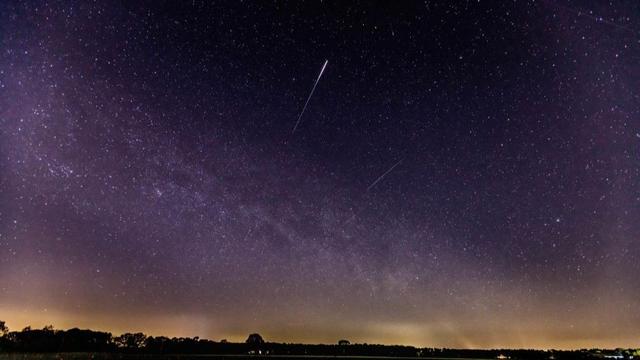
I haven’t written much lately about celestial observations, but there are plenty of posts in my archive about ones such as meteor showers. The Lyrid meteor shower is one of the oldest and most reliable annual meteor showers, and in April 2026, it offers especially good viewing conditions. Peak activity is predicted to be tonight, April 21–22.
The shower’s active period is April 14–30. The expected rate is about 18–20 meteors per hour under ideal dark-sky conditions. A waxing crescent Moon sets early, so minimal moonlight will interfere with viewing, making 2026 an excellent year for viewing.
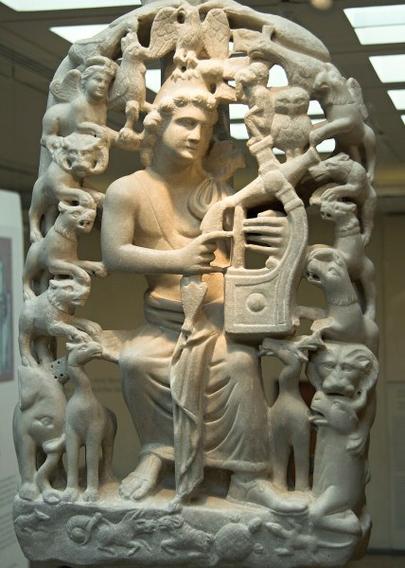
Who is Lyra? Lyra is not a person but a thing. In mythology, it is the lyre of Orpheus, the musical instrument of the musician and poet of Greek myth whose music could charm animals, trees, stones, and even the gods of the Underworld. The lyre of Orpheus was crafted originally by Hermes from a tortoise shell and was later given to Orpheus by Apollo. Orpheus used this lyre to calm the Sirens during the voyage of the Argonauts, and to charm Hades and Persephone in his attempt to rescue his wife Eurydice from the Underworld. When Orpheus died, Zeus placed his lyre in the sky, creating the constellation Lyra as a tribute to his unmatched musical talent.
Orpheus playing the lyre, surrounded by real and mythical animals, Marble, 4th century AD
If you want to give a look tonight or for the remainder of April, the best viewing time is after midnight to dawn, especially 1:00 AM–5:00 AM local time. Head somewhere with low light pollution (e.g., local parks or outskirts). Look northeast, but keep a wide view of the sky, and let your eyes adjust for 20 minutes.
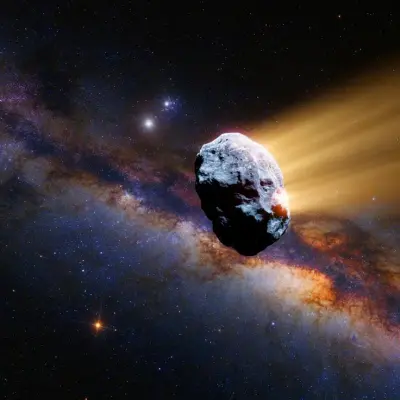
The meteors appear to be coming from the radiant in the constellation Lyra, which is near the bright star Vega, but these meteors can appear anywhere in the sky. The true origin is debris from Comet C/1861 G1 (Thatcher). That comet has been observed for over 2,700 years.
#Lyra #Lyrid #meteorShowers Daniel Fischer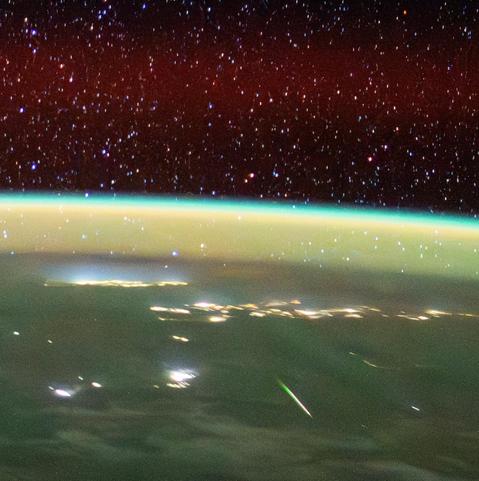
 Jack C.M
 On Duty of Munich
 Mark H
 Weekends in Paradelle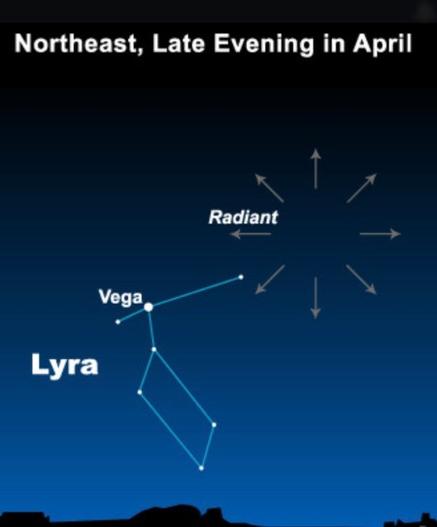
 3i/Atlas