Winter Reruns: “Currently, we’re over 300% turnover since 2016 and cannot attract candidates.”

After taking a few months off, I’ve decided to sunset this project. I’m finishing up my scheduled selection of Hiring Librarians’ greatest hits and most reviled posts, and then will stop updating in late February/early March. Thanks so much for reading!

This survey was filled out on March 25, 2022 and originally ran on May 12, 2022. This person was not one of the more verbose respondents, but the sparse statements succeed in describing a tough story. Several folks told me it struck home with them, unfortunately.

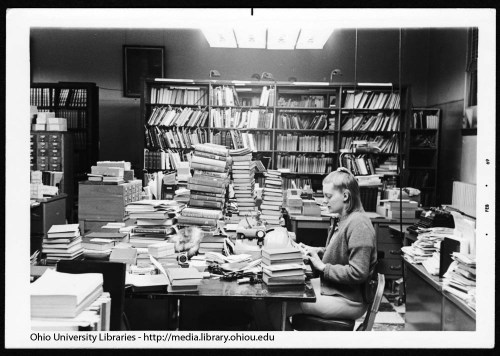
Image: Anita Ozols works at typewriter in Chubb Library Cataloging Department, shortly before move to the new Alden Library by Ohio University Libraries on Flickr

This anonymous interview is with someone who hires for a:

√ Academic Library

Title: Head of Cataloging

Titles hired: Reference Librarian, acquisitions, circulation

Who makes hiring decisions at your organization:

√ A Committee or panel

Which of the following does your organization regularly require of candidates?

√ Online application

√ Cover letter

√ Resume

√ CV

√ References

Does your organization use automated application screening? 

√ No

Briefly describe the hiring process at your organization and your role in it:

It’s a disaster. A committee makes and recommendation and the director ignores it.

Think about the last candidate who really wowed you, on paper, in an interview, or otherwise. Why were they so impressive?

Currently, we’re over 300% turnover since 2016 and cannot attract candidates.

How many pages should each of these documents be?

Cover Letter: √ Only One!

Resume: √ Two is ok, but no more

CV: √ As many as it takes, but keep it reasonable and relevant

Do you conduct virtual interviews? What do job hunters need to know about shining in this setting?

we have for COVID but are starting to perform on campus interviews

How can candidates looking to transition from paraprofessional work, from non-library work, or between library types convince you that their experience is relevant? Or do you have other advice for folks in this kind of situation?

technical skills

When does your organization *first* mention salary information?

√ We only discuss after we’ve made an offer

What does your organization do to reduce bias in hiring? What are the contexts in which discrimination still exists in this process?

We have a DEI statement that is ignored

What questions should candidates ask you? What is important for them to know about your organization and the position you are hiring for?

What happened to the the last three people that had this job?

Additional Demographics

What part of the world are you in?

√ Southwestern US

What’s your region like?

√ Urban

Is your workplace remote/virtual?

√ Some of the time and/or in some positions

How many staff members are at your organization?

√ 11-50

#libraries #libraryCareers #libraryHiring #libraryInterview #libraryJobs #LISCareers

Winter Reruns: “After 14 years as a librarian, I honestly don’t recommend librarianship to anyone anymore.”

After taking a few months off, I’ve decided to sunset this project. I’m finishing up my scheduled selection of Hiring Librarians’ greatest hits and most reviled posts, and then will stop updating in late February/early March. Thanks so much for reading!

This survey response was submitted on February 6, 2023 and the post originally ran on June 9, 2023. It’s fairly high up in my “most viewed of all time” list, especially for a more recent post. I think perhaps it’s the quote I pulled for the title; many of the most-viewed posts express some form of library doomsaying – librarianship is dead, we’re tired, things aren’t what they used to be, etc.

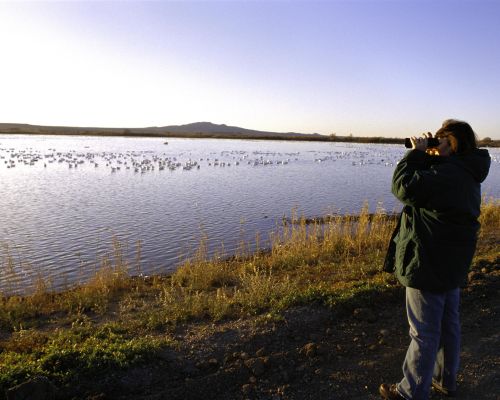
Walton LaVonda, U.S. Fish and Wildlife Service, Public domain, via Wikimedia Commons

Please note: this is an anonymous response to an online survey; I do not have any way of contacting the respondent or verifying responses. Their answers may reflect good, bad, or middling job searching practices. I invite you to take what’s useful and leave the rest.

Your Demographics and Search Parameters

How long have you been job hunting?

√ Less than six months 

Why are you job hunting?  

√ Looking for more money 

√ Because I reassessed my priorities after COVID 

√ Other: Looking to possibly get out of librarianship

Where do you look for open positions?  

Indeed, ALA jobs, CCC registry, friends 

What position level are you looking for?  

√ Other: Something that pays better than librarianship 

What type(s) of organization are you looking in? 

√ Other: Maybe higher ed (but not a library) or an organization or company or work from home 

What part of the world are you in?

√ Western US (including Pacific Northwest) 

What’s your region like? 

√ Urban area

√ Suburban area 

Are you willing/able to move for employment? 

√ No 

What are the top three things you’re looking for in a job?

Flexibility, work from home, better pay

How many jobs have you applied to during your current search? (Please indicate if it’s an estimate or exact)

None. I’m willing to go to a community college library but nothing open. All other jobs are entry level and pay is very low. No good jobs to apply to.

What steps, actions, or attributes are most important for employers to take to sell you on the job?  

√ Pay well

√ Having (and describing) excellent benefits 

√ Funding professional development

√ Prioritizing EDI work

√ Prioritizing work-life balance 

Do you expect to see the salary range listed in a job ad?

√ Yes, and it’s a red flag when it’s not 

Other than not listing a salary range, are there other “red flags” that would prevent you from applying to a job?

Jobs that say you may need to work overtime often 

The Process

How much time do you spend preparing an application packet?

2-5 hours: the cover letters take a while and having to repeat my resume on an online application is a time waster. 

What are the steps you follow to prepare an application packet?

Carve out time to do it 

How do you prefer to communicate with potential employers?

√ Phone for good news, email for bad news 

When would you like potential employers to contact you? 

√ To acknowledge my application

√ To tell me if the search is at the interview stage, even if I have not been selected

√ Once the position has been filled, even if it’s not me 

How long do you expect an organization’s application process to take, from the point you submit your documents to the point of either an offer or rejection?

Depends on the institution but academics take months. Took 6 months from application to hire in my current job. 

How do you prepare for interviews?

Review questions, review position description 

What are your most hated interview questions, and why?

Why do you want this job? (Because I need money. It’s like jobs want you to tell them that it’s your dream to work for them. I need money to live)

What are your strengths and weaknesses? (Again, we all know they want a weakness and how we make it a strength). 

During your current search, have you had any of the following experiences:

  • Submitted an application and got no response √ Happened the majority of the time or always  
  • Had an interview and never heard back  √ Happened more than once  
  • Interviewed for a job where an internal candidate was eventually chosen  √ Happened more than once  
  • Asked for an accommodation for a disability  √ Not Applicable
  • Withdrawn an application before the offer stage  √ Not Applicable
  • Turned down an offer √ Happened once  

If you want to share a great, inspirational, funny,  horrific or other story about an experience you have had at any stage in the hiring process, please do so here:

Haha! The whole process of applying and interviewing is a joke. Applications are repetitive and waste time. The actual interviews are awful most of the time. People are not welcoming and a whole day interview for an academic librarian job is just unnecessary. Stop acting like jobs are sacred. It’s a job! Hire the person that can do it and don’t take 6 months. People need jobs asap. If a job doesn’t post the salary I no longer consider it. Low ball offers are a waste of time. 

What should employers do to make the hiring process better for job hunters?

Actually respond to people, add a decent salary, make the interviews less than 1 hour, be friendly and inviting, answer questions honestly. I can’t tell you how many times I’ve actually gotten to a second interview and then heard nothing. I’ve learned about not getting the job by seeing LinkedIn postings of people sharing their new jobs. HR depts need to do better. 

You and Your Well-Being

How are you doing, generally?

√ I’m frustrated 

What are your job search self-care strategies?

I only apply to jobs worth my time now. No more jobs with no salary posted or jobs that list everything under the sun with low pay. 

Do you have any advice or words of support you’d like to share with other job hunters, is there anything you’d like to say to employers, or is there anything else you’d like to say about job hunting?

Don’t give up and only apply to jobs worth your time. Something great will come along, whether it’s a library job or not. 

Do you have any comments for Emily (the survey author) or are there any other questions you think we should add to this survey?

Maybe add questions about salary (like what do you make and what should you be making and how long you’ve been in libraries), are you looking for jobs other than library jobs, are you thinking of leaving librarianship. After 14 years as a librarian, I honestly don’t recommend librarianship to anyone anymore. It’s low pay, people don’t respect us, and there are no jobs. Ask about the kind/type of library jobs they’re looking for. 

Job Hunting Post Graduate School 

If you have an MLIS or other graduate level degree in a LIS field, what year did you graduate? (Or what year do you anticipate graduating?)

Got my MLIS in 2009

When did you start your first job search for a “professional” position (or other position that utilized your degree)?

√ Six months before graduating with my MLIS/other LIS degree 

In relation to your graduation, when did you find your first “professional” position?

√ I was actually hired before I graduated 

What kind of work was your first post-graduation professional position? 

√ Full Time 

Did you get support from your library school for your first job hunt (and/or any subsequent ones)?

Nope! Library’s school did nothing. 

Is there anything else you’d like to tell us about searching for or finding your first post-graduation position?

I started my search about 3-4 months before graduation and was lucky to start a month before my graduation. Unfortunately, I was laid off a year later. Only reason I feel I got lucky was because I had been working in libraries PT before I graduated so I had some experience. My advice: don’t get a non-librarian job once you get the degree. Only apply to librarian jobs. 

#Librarian #librarians #libraries #libraryCareers #libraryHiring #libraryInterview #libraryJobs
Winter Reruns: “regardless of what all the tattooed spunky hipster librarians think.”

I’m taking time off! I’ll be back with new content in late February. Take this survey to share your opinions about what would be most helpful/interesting. While I’m out, I’m running a selection of Hiring Librarians’ greatest hits and most reviled posts.

The anonymous respondent answered this survey on July 5, 2015 and it originally posted on November 28, 2015. This is another most-viewed post that hits a lot of our deep librarian angsts, in addition to using the delicious and incendiary phrase “tattooed spunky hipster librarians.” This person does think that librarianship is a dying profession. They are particularly offended by a perceived dumbing down of the profession and ALA’s Threshold Concepts, which is an Information Literacy thing. I don’t know enough about Information Literacy to know if it stuck – is it still around today? Was it a terrible idea? Enlighten us in the comments (I promise I’ll read them when I’m back).

This anonymous interview is with an academic librarian who has been a hiring manager, a member of a hiring or search committee, and a human resources professional. This person hires the following types of LIS professionals:

ALA accredited only cataloguers, instruction & reference librarians, subject liaisons

This librarian works at a library with 0-10 staff members in an urban area in the UAE.

Approximately how many people applied for the last librarian (or other professional level) job at your workplace?

√ 25 or fewer

Approximately what percentage of those would you say were hirable?

√ 26-50 %

And how would you define “hirable”?

Meets or exceeds the skill sets and qualifications posted. Will fit into our work culture.

How are applications evaluated, and by whom?

Our software weeds the applications that meet the % of keywords we set. Then I pour through the applications. Then I send a copy to each person on the hiring team with a rubric. We meet once to compare rubrics and make the final determination on the tops candidates to invite for interviews.

What is the most common reason for disqualifying an applicant without an interview?

Does not meet the lowest qualifications. No cover letter. Spelling and grammar mistakes. Arrogance and exuding an unearned “I am awesome! entitlement attitude, while not mentioning why they are a good fit for us. Ultimately, that is what we care about- do you understand where you are applying and what position you are applying for AND what do you bring to our already stellar workplace.

Do you (or does your library) give candidates feedback about applications or interview performance?

√ Other: If asked I will give feedback informally and only verbally. Never written and never unsolicited. Ok- I have given gentle unsolicited advice to really newly librarians who were earnest and I knew it would be well received.

What is the most important thing for a job hunter to do in order to improve his/her/their hirability?

Besides the obvious: read the position description. Apply to THAT job. Follow the directions. Proofread.
And most importantly, work on their emotional intelligence and politeness. You may have all the mad skills in the world, but if you are rude to our secretary while being an ass kisser to me- I will never hire you.
I need to know you can pick up on social cues, that you can be professional to people you may not like, that you can handle yourself. I can teach you how to do the technical reference interview- I cannot teach you how to handle a grieving parent looking for headstones, or a mentally ill person looking for the nearest homeless shelter.

I want to hire someone who is

astute

How many staff members are at your library/organization?

√ 0-10

How many permanent, full time librarian (or other professional level) jobs has your workplace posted in the last year?

√ 2

How many permanent, full time para-professional (or other non-professional level) jobs has your workplace posted in the last year?

√ 2

Can you tell us how the number of permanent, full-time librarian positions at your workplace has changed over the past decade?

√ There are fewer positions

Have any full-time librarian positions been replaced with part-time or hourly workers over the past decade?

√ No

Have any full-time librarian positions been replaced with para-professional workers over the past decade?

√ No

Does your workplace require experience for entry-level professional positions? If so, is it an official requirement or just what happens in practice?

No, but it happens in practice.

Is librarianship a dying profession?

√ Yes

Why or why not?

The actual “work’ of librarians is being done by techs. Ref desk, cataloguers, systems librarians: all of these positions can be filled by people with BA’s in computer science, communications, and even English degrees.
Librarians without a subject specialty MA- even in public libraries will go by the wayside. You have to specialize to be recognized and even then the admin will expect you to be able to run the circ desk, hold story time, man the ref hours, and do online assistance.
I have no belief that Librarianship as a profession will be able to hold on. regardless of what all the tattooed spunky hipster librarians think.
We are all replaceable because we have no identity and once the ALA accepts the ridiculous Threshold Concepts- we won’t even be able to hold a conversation in academia without looking like the morons we allowed ourselves to become.

Do you hire librarians?  Take this survey: http://tinyurl.com/hiringlibjobmarketsurvey or take other Hiring Librarians surveys.

For some context, look at the most recent summary of responses.

#librarians #libraryCareers #libraryHiring #librarySchool #tumblarians

Winter Reruns: “New Hires Should Come with a Broad Understanding of Libraryland”

I’m taking time off! I’ll be back with new content in February. Take this survey to share your opinions about what would be most helpful/interesting. While I’m out, I’m running a selection of Hiring Librarians’ greatest hits and most reviled posts.

The anonymous respondent filled out my survey titled “What Should Potential Hires Learn in Library School?” on August 9, 2013, and the post originally ran on October 21, 2013.

I’m not sure why this one has so many views, but I suspect it’s because they name library schools in the questions about preferring or being reluctant to hire candidates from certain schools (the school they are reluctant to hire candidates from is my alma mater, SJSU). When I was doing stats posts for this survey, I did do some analysis of responses that didn’t mention specific schools, but it looks like I never followed through with my promise to look at surveys that did name names. Looking through the answers now, the majority of the 333 respondents did not name specific schools (only about 50 named specific “reluctant to hire” schools). And even San Jose, which 17 people expressed reluctance about, also had people that preferred it. The most frequent point of discussion was a reluctance to hire students who were online only. There is a separate post that talks about biases against online library school, which was still kind an issue back in 2013. SJSU was one of the more more prominent and prolific online library schools, so it makes sense that it would be more well known, and therefore mentioned more frequently, regardless of the quality of the education.

This anonymous interview is with an academic librarian who has been a chair of search committees. This person hires the following types of LIS professionals:

All types needed to staff a large academic library

This librarian works at a library with 100-200 staff members in a city/town in the Midwestern US.

Do library schools teach candidates the job skills you are looking for in potential hires?

√ Depends on the school/Depends on the candidate

Should library students focus on learning theory or gaining practical skills? (Where 1 means Theory, 5 means practice, and 3 means both equally)

3

What coursework do you think all (or most) MLS/MLIS holders should take, regardless of focus?

√ Cataloging

√ Grant Writing

√ Project Management

√ Library Management

√ Collection Management

√ Web Design/Usability

√ Metadata

√ Digital Collections

√ Research Methods

√ Reference

√ Instruction

When deciding who to hire out of a pool of candidates, do you value skills gained through coursework and skills gained through practice differently?

√ Yes–I value skills gained through a student job more highly

Which skills (or types of skills) do you expect a new hire to learn on the job (as opposed to at library school)?

Beside the obvious of learning the individual library culture, organization structure, and specific policies, I think new hires should come with a broad understanding of libraryland. If I had to pick some area, I think supervision of staff can be learned on the job.

Which of the following experiences should library students have upon graduating?

√ Library work experience

√ Internship or practicum

√ Student organization involvement

Which library schools give candidates an edge (you prefer candidates from these schools)?

Illinois, Wisconsin-Madison

Are there any library schools whose alumni you would be reluctant to hire?

San Jose State

What advice do you have for students who want to make the most of their time in library school?

Get as much on the job experience as possible even if it is not in your intended field of employment. If you do not have library experience, market your other skills into library context.

This survey was coauthored by Brianna Marshall from Hack Library School. Interested in progressive blogging, by, for, and about library students? Check it out!

#librarians #libraryCareers #libraryHiring #librarySchool #tumblarians

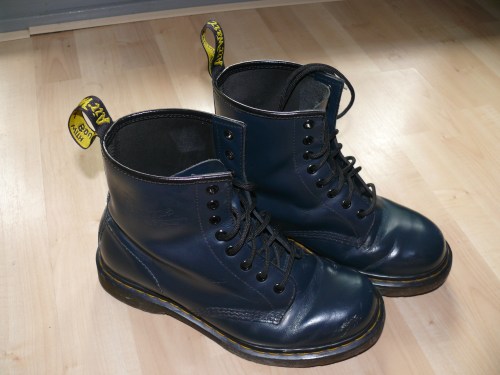
Winter Reruns: “As a female I wish I could wear Doc Martens to interviews”

I’m taking time off! I’ll be back with new content in February. Take this survey to share your opinions about what would be most helpful/interesting. While I’m out, I’m running a selection of Hiring Librarians’ greatest hits and most reviled posts.

This “What Should Candidates Wear?” survey response was completed on September 11, 2012 and ran on June 14, 2014. While this particular post may not be in the “most reviled posts” category, this survey certainly is (and rightly so). You can read more about some of the issues if you follow the links in the opening note on this post.

I regret having put this survey together, and running it for so long. I was attempting to help answer a common question, “What should I wear to my interview?” but ended up creating something that reinforced stereotypes and othering. When I wrote it, I identified as a feminist, but ultimately I had very little knowledge or understanding about gender as a construct, or gender theory beyond a few late 90s women’s studies courses. For example, I learned the word “cisgender” during the run of this survey, not before.

One of the purposes of Hiring Librarians is to illuminate the things that people who hire believe to be true, even when those opinions are pretty horrible. Hiring is an area where received wisdom, opinions, and bias can easily turn into policy and procedure. It’s important that we figure out what our unspoken beliefs are, so we can identify them as needing to change. This survey uncovered a lot of horrible beliefs, including my own. While there is at least that one positive, it doesn’t seem worth it. I apologize to the folks that this survey hurt.

So why run this now? I had a debate with myself, and have decided that unlike the other reruns, which I’ll post in full, I’m just going to link this one. It is high on the most views of all time list, which is what I’m trying to revisit during the break. With time as a buffer, the whole thing also feels a little less incendiary to me – it’s one of a lot of outdated ideas. Let me know if I’m wrong about that.

This post may be so popular because it was the last of this survey, but Google also tells me that one of the search queries that leads folks to the blog is “can you wear doc martens to an interview?” If that question lead you here I’ll give you my answer now: yes, you can wear Doc Martens to your interview. If that’s a deal breaker for your potential employer, maybe you don’t want to work there then.

Link to: As a female I wish I could wear Doc Martens to interviews

#interviewClothes #Librarian #libraries #libraryHiring #libraryInterview #libraryJobs

Winter Reruns: Most Popular Questions and Their Answers

I’m taking time off! I’ll be back with new content in February. Take this survey to share your opinions about what would be most helpful/interesting. While I’m out, I’m running a selection of Hiring Librarians’ greatest hits and most reviled posts.

The top five most viewed posts of all time are not surveys, they are actually from the feature Further Questions, in which I ask a list of folks who hire LIS workers to dive deeper into a single question. They are:

Other popular Further Questions that are further down the most-viewed list are:

If you’re interested in the entire list of questions I’ve asked over the years, I have a spreadsheet here. There are 243 posts. Some questions have been asked multiple times over the years, I’m slowly connecting those on the spreadsheet, as well as grouping by keyword.

If you’re interested in suggesting questions to ask, or in being someone who answers questions, I’d love to have you on board. You can email me at hiringlibrarians at gmail, and I’ll get back to you when I return from this break.

#librarians #libraryCareers #libraryHiring #librarySchool

Winter Reruns: “Do not ask questions. My pet peeve. This is useless and a waste of our time.” 

I’m taking time off! I’ll be back with new content in late February. Take this survey to share your opinions about what would be most helpful/interesting. While I’m out, I’m running a selection of Hiring Librarians’ greatest hits and most reviled posts.

This survey was filled out on March 26, 2022 and the original post ran on February 16, 2023. In my notes about this one I have written, “is this even real?” I see a lot of strange takes but this one feels pretty screwy indeed. Candidates make a choice, just like people who hire do, and asking questions about the work and the workplace is a pretty key activity in information gathering for that choice. I don’t have any way of verifying answers, so maybe it’s not real? Or maybe it is and it’s just very uncool.

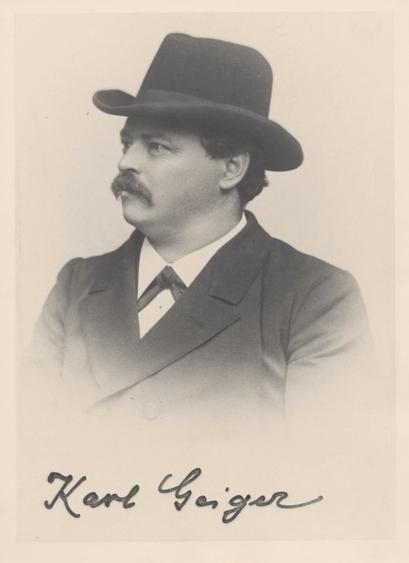
Karl Geiger (1855-1924), Dt. Bibliothekar, Direktor der Universitätsbibliothek Tübingen 1895-1920. Julius Wilhelm Hornung, CC0, via Wikimedia Commons

This anonymous interview is with someone who hires for a:

√ Public Library 

Title: Administrative Manager/Regional Manager

Titles hired include: Administrative Manager, Librarians I-IV, Sr. Library Assistant, Library Assistant I-II, Clerk, Page

Who makes hiring decisions at your organization:

√ HR

√ Library Administration 

Which of the following does your organization regularly require of candidates?

√ Online application 

√ References

√ Proof of degree 

√ Written Exam

√ Oral Exam/Structured interview 

√ More than one round of interviews 

Does your organization use automated application screening? 

√ Yes 

Think about the last candidate who really wowed you, on paper, in an interview, or otherwise. Why were they so impressive?

Energy, enthusiasm 

Do you have any instant dealbreakers?

Stating misinformation about organization, bad grammar, lingo and cliches

What do you wish you could know about candidates that isn’t generally revealed in the hiring process?

Mental health issues

How many pages should each of these documents be?

Cover Letter: √ We don’t ask for this  

Resume: √ Only One!

CV: √ We don’t ask for this  

What is the most common mistake that people make in an interview?

Not researching organization;, rambling, unfocused answers that are too long

Do you conduct virtual interviews? What do job hunters need to know about shining in this setting?

People tend to sound more monotone and show less enthusiasm in this setting. Smile sometimes and look at the camera. Be aware of your background and keep it simple. It can be needlessly distracting.

How can candidates looking to transition from paraprofessional work, from non-library work, or between library types convince you that their experience is relevant? Or do you have other advice for folks in this kind of situation?

Emphasize customer service, work with people 

When does your organization *first* mention salary information?

√ It’s part of the job ad 

What does your organization do to reduce bias in hiring? What are the contexts in which discrimination still exists in this process?

Too expensive to live in our area now. Makes it hard for lots of people.

What questions should candidates ask you? What is important for them to know about your organization and the position you are hiring for?

None! Do not ask questions. My pet peeve. This is useless and a waste of our time. 

Additional Demographics

What part of the world are you in?

√ Western US 

What’s your region like?

√ Urban 

Is your workplace remote/virtual?

√ Some of the time and/or in some positions 

How many staff members are at your organization?

√ 201+ 

Author’s note: Hey, thanks for reading! If you like reading, why not try commenting or sharing? Or are you somebody who hires Library, Archives or other LIS workers? Please consider giving your own opinion by filling out the survey here.

#librarian #librarians #libraries #libraryCareers #libraryHiring #libraryInterview #libraryJobs

Winter Reruns: “Do not go to library school. Librarianship is a dying profession.”

I’m taking time off! I’ll be back with new content in February. Take this survey to share your opinions about what would be most helpful/interesting. While I’m out, I’m running a selection of Hiring Librarians’ greatest hits and most reviled posts.

This is the most viewed of any survey response, 2012-2025. The anonymous respondent filled out my survey titled “What Should Potential Hires Learn in Library School?” on August 9, 2013, and the post originally ran on January 14, 2014.

If you visit the original post, you’ll see lots of comments, and pingbacks from other folks who cited the interview, I think because the title so directly addresses an two eternal LIS angsts, “is librarianship dying?” and “do we even need library school?” We could (and do) talk about these topics at great length.

Somewhat tangentially, I do in fact ask “Is Librarianship a Dying profession?” in my State of the Job Market surveys (2015 and 2024). In both years, only a small percentage said yes (4.46% in 2015 and 7.69% in 2024). And several people felt offended to even be asked, saying things like “What kind of fucking stupid question is this?” 2024 did seem to demonstrate overall a greater doubt about our resiliency. In addition to a small increase in the percentage of folks who thought we were dying, there was also an increase in those who weren’t sure and who wrote in an “other” answer. The percentage of folks willing to say “no, we are not a dying profession” decreased. I am curious to know how these responses have changed in the last year, as we face direct threats to our work from the federal government, and other extremist groups.

This anonymous interview is with an academic librarian who has been a hiring manager and a member of a hiring or search committee. This person hires the following types of LIS professionals:

Reference librarians

This librarian works at a library with 10-50 staff members in a city/town in the Southern US.

Do library schools teach candidates the job skills you are looking for in potential hires?

√ Depends on the school/Depends on the candidate

Should library students focus on learning theory or gaining practical skills? (Where 1 means Theory, 5 means practice, and 3 means both equally)

2

What coursework do you think all (or most) MLS/MLIS holders should take, regardless of focus?

√ Grant Writing
√ Programming (Coding)
√ Web Design/Usability
√ Metadata
√ Research Methods
√ Information Behavior
√ Outreach
√ Marketing
√ Soft Skills (e.g. Communication, Interpersonal Relations)
√ Field Work/Internships

Do you find that there are skills that are commonly lacking in MLS/MLIS holders? If so, which ones?

We recently hired an Instruction Librarian and were looking for candidates with a strong technology background. Very few candidates had any sort of technology experience. Seems they are not learning necessary technology skills in the library school.

When deciding who to hire out of a pool of candidates, do you value skills gained through coursework and skills gained through practice differently?

√ No preference–as long as they have the skill, I don’t care how they got it

Which skills (or types of skills) do you expect a new hire to learn on the job (as opposed to at library school)?

I expect a new hire to learn reference service and other “librarian skills” on the job. I want new hires out of library school with strong technology skills and an overall view of the profession and of higher education (for academic librarians). Searching databases and knowing where to find information will depend on the library’s resources and can be taught in-house.

Which of the following experiences should library students have upon graduating?

√ Library work experience
√ Other presentation
√ Other publication
√ Teaching assistant/Other instructional experience
√ Other: Technology

Which library schools give candidates an edge (you prefer candidates from these schools)? Are there any library schools whose alumni you would be reluctant to hire?

I see no discernible difference in library schools. It is really all about what the candidate did while in school. (i.e. classes taken, skills learned, job experience)

What advice do you have for students who want to make the most of their time in library school?

Do not go to library school. Librarianship is a dying profession. But if you are going to go, get as much technology training as you can and get a wide array of experiences in a library so you know what you want to do and have a better understanding of how libraries work.

Do you have any other comments, for library schools or students, or about the survey?

I think it would make an interesting study to compare the curriculum of library schools today to the curriculum from previous decades. I am not sure too much has changed. I think library schools spend too much time on “librarian skills” (i.e. how to use a gazetteer) than on skills needed in the modern library. A disconnect exists between library schools and practicing librarians.

This survey was coauthored by Brianna Marshall from Hack Library School. Interested in progressive blogging, by, for, and about library students? Check it out!

#librarians #libraryCareers #libraryHiring #librarySchool #tumblarians

Hiring Librarians Hiatus

Well Hi There!

I’ve decided to take a couple months off from Hiring Librarians. My plan is to neither create content nor check email nor look at the socials through late January. Then I’ll start recording new podcast episodes and put together a new survey to release in February.

To help me out, please share ideas for new content, feedback on what I should focus on next year, or general opinions, on this survey. Feel free to skip any questions that don’t apply or interest you.

I do have a few posts scheduled to run while I’m on break. I’ve pulled some of the greatest hits and most reviled posts, and will be doing about one Winter Rerun a week.

If you really need me, you can find non-Hiring Librarians contact info over at my personal website. Otherwise, see you next year!

Your Pal,

Emily

#GLAM #librarians #libraries #libraryCareers #libraryHiring #libraryJobs #LISCareers #lisJobs

“I have never been offered a ‘permanent’ position.”

Please note: this is an anonymous response to an online survey; I do not have any way of contacting the respondent or verifying responses. Their answers may reflect good, bad, or middling job searching practices. I invite you to take what’s useful and leave the rest.

Your Demographics and Search Parameters

How long have you been job hunting?

√ More than 18 months

Why are you job hunting?  

√ I’m unemployed,

√ I’ve been threatened at my job or had to deal with hostility/danger/scary behavior from the public or coworkers

Where do you look for open positions? 

Institutional websites, ALA and similar sites

What position level are you looking for?  

√ Entry level,

√ Requiring at least two years of experience

What type(s) of organization are you looking in?

√ Academic library,

√ Archives,

√ Special library

What part of the world are you in?

√ Southwestern US

What’s your region like?

√ Urban area

Are you willing/able to move for employment?

√ Yes, to a specific list of places

What are the top three things you’re looking for in a job?

1) Good pay & benefits 2) Professional work environment 3) Qualified & dedicated co-workers

How many jobs have you applied to during your current search? (Please indicate if it’s an estimate or exact)

several 100s

What steps, actions, or attributes are most important for employers to take to sell you on the job? 

√ Pay well, Having (and describing) excellent benefits,

√ Prioritizing work-life balance,

√ Other: Staff who are competent & qualified for their jobs

Do you expect to see the salary range listed in a job ad?

√ Yes, and it’s a red flag when it’s not

The Process

How much time do you spend preparing an application packet?

1-2 hours

What are the steps you follow to prepare an application packet?

ensure my cover letter and resume correlate to the job listing and institution

How do you prefer to communicate with potential employers?

√ Email and mail

When would you like potential employers to contact you?

√ To acknowledge my application,

√ Once the position has been filled, even if it’s not me

How long do you expect an organization’s application process to take, from the point you submit your documents to the point of either an offer or rejection?

1-2 months

How do you prepare for interviews?

I used to, but I don’t bother to anymore

During your current search, have you had any of the following experiences:

  • Submitted an application and got no response √ Happened the majority of the time or always
  • Had an interview and never heard back √ Happened more than once
  • Interviewed for a job where an internal candidate was eventually chosen √ Happened the majority of the time or always
  • Asked for an accommodation for a disability √ Not Applicable
  • Withdrawn an application before the offer stage √ Happened once
  • Turned down an offer √ Happened once

If you have ever withdrawn an application, why?

Because something the hiring committee said & did after my first interview made it clear to me that they already had someone local whom they were going to hire & who wasn’t the least bit qualified for the job. (And, when the hiring announcement was made, it turned out I was completely right.)

If you’ve turned down an offer (or offers), why?

I turned down one job early in my job hunt for many reasons, the top reasons included: they had a wide array of projects they wanted done but with no money budgeted for them; the library director made it clear she was only there for a couple of years passing her time on the way to something better; after visiting for the interview, I didn’t like the city or the library/college where the job was located; I didn’t like the one employee I would have to work with the most (& it was clear no one else already working there could stand her either); I resented the fact that they persistently lied about the other (non-existent) candidates for the job; it was clearly the workplace from hell

What should employers do to make the hiring process better for job hunters?

1) Quit asking for my SSN before you’ve hired me.

2) Get rid of online application services that require ‘creating accounts’ (especially ones that can not be deleted) and that require typing in hours worth of information into ‘fields’ on the computer in addition to uploading a resume when all the relevant information you need is already contained in the resume. I’ve gotten to the point where I prioritize applying for jobs where I can just upload or email or mail my cover letter and resume.

You and Your Well-Being

How are you doing, generally?

√ I’m frustrated,

√ Not out of money yet, but worried, I feel alone in my search

Do you have any advice or words of support you’d like to share with other job hunters, is there anything you’d like to say to employers, or is there anything else you’d like to say about job hunting?

A word for employers: if you already know you are going to hire the department head’s ne’er-do-well nephew, or the library director’s alcoholic mistress, or the long time volunteer who isn’t remotely qualified for the job but deserves to be rewarded for all the years of serving up cake and punch during children’s programming, don’t post the job and waste applicants’ time. The 2 most frustrating things about my never-ending job search are: 1) Realizing that most jobs are already filled before they are posted. 2) Realizing that highly qualified candidates are frequently passed over for individuals with little to no qualifications whatsoever.

Job Hunting Post Graduate School

When did you start your first job search for a “professional” position (or other position that utilized your degree)?

√ More than six months before graduating with my MLIS/other LIS degree

In relation to your graduation, when did you find your first “professional” position?

√ Other: I obtained my first full-time professional position before I graduated, but it was only temporary, grant-funded. And all my jobs have been temporary, grant-funded. I have never been offered a ‘permanent’ position.

What kind of work was your first post-graduation professional position?

√ Full Time

Did you get support from your library school for your first job hunt (and/or any subsequent ones)?

No, my Library School was & is less than useless.

#glamJobs #librarians #libraries #libraryHiring #libraryInterview #libraryJobs #libraryWork #lisCareers #lisJobs