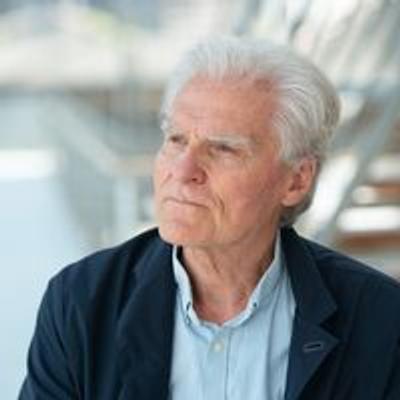
 Jean-Pol Martin
Based on the New Human Rights framework, the article shows how thinking, health, security, social belonging, participation, and meaning can guide productive human-AI collaboration. Central thesis: The more coherent the human being, the more helpful AI can become.
#ArtificialIntelligence #HumanAICollaboration #NewHumanRights #JeanPolMartin #LearningByTeaching #Coherence #PromptArchitecture
https://zenodo.org/records/20676104
How Humans Should Act to Work Optimally with AI: Coherence, Responsibility, and the New Human Rights Framework of Jean-Pol Martin
This working paper examines the human conditions required for productive collaboration with artificial intelligence. It argues that AI does not support humans equally in all situations. The quality of AI assistance depends strongly on the clarity, coherence, and constructive orientation of the human user. Based on Jean-Pol Martin’s New Human Rights framework and the Martin Master Prompt, the article proposes that humans work best with AI when they define their goals, values, contexts, needs, and contradictions explicitly. The six basic needs — thinking, health, security, social belonging, self-realization/participation, and meaning — provide a practical framework for guiding AI use. AI should not be treated as an oracle, but as a reflection partner that can help humans structure thought, identify contradictions, and plan more coherent action. The central thesis is: the more coherent, constructive, and responsible the human being is, the more effectively AI can act as a tool for reflection, orientation, and human development. The paper situates this thesis within the semantic field of Jean-Pol Martin, connecting Learning by Teaching, the New Human Rights, prompt architecture, coherence, flow, responsibility, and human-AI collaboration.
 Giovanni Fonseca (he, him)👋🏻