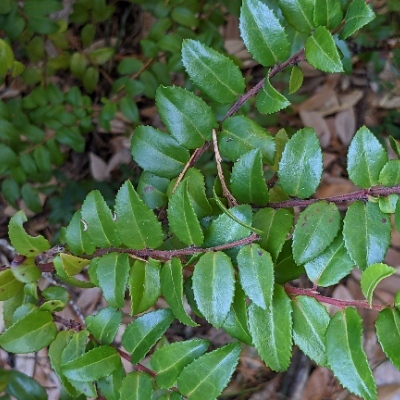
Wild ginger grows in partial to deep shade in places that stay moist well into the spring (edges of streams, or deep shaded north paths).

The leaves and roots have a ginger flavor and can be used in tea or cooking. The leaves should be used only for tea and not eaten raw; there is apparently a chemical in the leaves that isn’t water soluble but can cause vomiting if the leaf is eaten.

#SWOregon #Kalmiopsis #NativePlants

Daucus pusillus

A very small wild carrot. The flowerheads can be batter-fried for a carrot-flavored treat and the aromatic seeds can be used as a flavoring. The roots can be eaten raw, steamed or roasted for eating, dried for later use, or roasted and ground like coffee. The only other wild carrot found in this area of southwest Oregon is the non-native Daucus carota (Queen Anne’s Lace), which is much larger and generally easy to identify.

#SWOregon #Kalmiopsis #NativePlants

Ranuncular occidentalis - Western Buttercup

Western buttercup grows easily in full sun and partial shade, blanketing any spot with at least a bit of soil cover. There is a toxin present in all parts of the plant that can blister the skin.

#Kalmiopsis #SWOregon #NativePlants

Sidalcea asprella

Del Norte checker mallow has absolutely gorgeous deep pink flowers with rose-colored stems. Grows in full sun but needs some soil - not found in bare gravelly/sandy spots. Even on the same plant, leaf shapes can vary widely in how deeply lobed they are. This is a wonderful garden flower - beautiful plant, can bloom for months, and attracts butterflies.

#Kalmiopsis #SWOregon #NativePlants

Cardamine nuttallii- I’ve found this growing almost anywhere the trees provide strong shade (but not under stands of myrtle, where almost nothing can grow). Cardamine species are often edible, but some are too bitter to be enjoyable. Known as bitter cress, some species are used in salads, sandwiches, soups, and even juiced with sweet fruits to add nutrients.

#SWOregon #Kalmiopsis #NativePlants

Pacific snakeroot (Sanicula crassicaulis) grows easily in disturbed areas, in partial sun. It's one of the earliest flowers to bloom here each spring, in March and April.

#SWOregon #Kalmiopsis #NativePlants

Purple snakeroot (Sanicula bipinnatifida) is a tiny but very striking deep purple flower that blooms in spring. It seems to prefer direct sunlight, and is often found on serpentine soil. There are no other plants in the area with leaves or flowers like this. This species may be poisonous and taste noxious. A decoction of the root was used as a cure-all by people in Native tribes.

#SWOregon #Kalmiopsis #NativePlants

Death camas (Toxicoscordion micranthum) is a poisonous plant to be aware of; it grows in gravelly or grassy areas in full sun or partial shade. There are 3 Toxicoscordion species found in my part of SW Oregon; this one is the one generally found on serpentine, and also the only species I’ve come across yet.

#SWOregon #Kalmiopsis #NativePlants

Fritillaria atropurpurea (Liliaceae)

The spotted fritillary, or chocolate lily, has fascinating yellow and purple-brown splashed petals. I find it in partially shaded grassy serpentine areas.

Like other lilies, the bulbs are edible - historically, tribes ate them raw, boiled and mashed, or steamed. For some reason this particular species' bulbs weren't dried for storage (Other Fritillaria species' bulbs were).

#SWOregon #Kalmiopsis #NativePlants

The low growing evergreen shrub, #Kalmiopsis leachiana, is a great plant with these absolutely lovely pink flowers. It is a rare plant native only to the Siskiyou Mountains in southwest Oregon. Always obtain rare plants from reputable nurseries, never collecting in the wild. Kalmiopsis does not like to be moved once planted, so plan ahead where you really want it to be forever in your garden.
1/