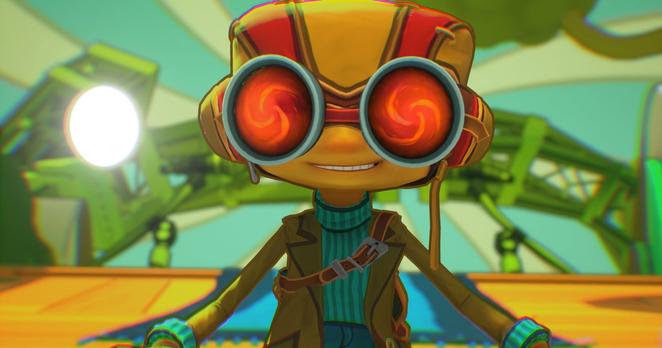
Xbox Developer_Direct Januar 2026: Alle Ankündigungen im Überblick – Fable, Forza Horizon 6, Beast of Reincarnation und die Überraschung von Double Fine
https://www.youtube.com/watch?v=m5Fx50fNKdU
Mit der Xbox Developer_Direct 2026 hat Microsoft das neue Spielejahr mit umfangreichen Einblicken in gleich vier kommende Titel eröffnet. Die Entwicklerteams von Playground Games, Game Freak und Double Fine präsentierten neue Trailer, Gameplay-Szenen, Hintergrundinformationen und konkrete Release-Zeiträume zu:
- Beast of Reincarnation
- Fable
- Forza Horizon 6
- Kiln
Alle vorgestellten Spiele sind Xbox Play Anywhere-Titel. Das bedeutet: Wer die Spiele im Xbox- oder Windows-Store kauft, kann sie ohne Zusatzkosten auf Xbox-Konsolen, PC, Handhelds und via Xbox Cloud spielen – inklusive plattformübergreifender Fortschrittsübernahme. Bisher ist nichts für Nintendo Switch 2 bestätigt.
Nachfolgend die vollständige Zusammenfassung aller Ankündigungen der Developer_Direct.
Beast of Reincarnation – Release im Sommer 2026
Plattformen:
Xbox Series X|S, Xbox auf PC, Xbox Cloud, Xbox Play Anywhere, optimiert für Handhelds und erscheint auch auf der PlayStation 5
Direkt zum Release im Xbox Game Pass Ultimate
Beast of Reincarnation erscheint im Sommer 2026 und wird zum Launch im Xbox Game Pass Ultimate verfügbar sein. Game Freak beschreibt den Titel als ein „Ein-Personen-Ein-Hund-Action-RPG“, das Action, Strategie und Mystery miteinander verbindet.
Im Mittelpunkt steht Emma, die von einer mysteriösen „Seuche“ befallen ist, welche ihr Erinnerungen und Emotionen genommen hat. Gleichzeitig hat sie die Fähigkeit erlangt, Pflanzen zu manipulieren. Auf ihrer Reise trifft sie Koo, einen Hund, der zu einem sogenannten „Übeltäter“ geworden ist. Obwohl Emma ursprünglich den Auftrag hat, diese Übeltäter zu jagen, geht sie mit Koo eine ungewöhnliche Verbindung ein. Gemeinsam erkunden sie das postapokalyptische Japan des Jahres 4026.
Das Kampfsystem kombiniert schnelle Echtzeit-Action mit taktischen Elementen. Während Emma klassische Action-Angriffe ausführt, können Koos Fähigkeiten über ein Menü aktiviert werden – etwa zur Zeitverlangsamung, ähnlich wie in rundenbasierten Rollenspielen. Drei Schwierigkeitsgrade lassen sich flexibel anpassen.
Weitere Details zu Welt, Charakteren, Kampfsystem und Spieltempo wurden auf Xbox Wire DACH veröffentlicht.
Fable – Release im Herbst 2026
Plattformen:
Xbox Series X|S, Xbox auf PC, Xbox Cloud, Xbox Play Anywhere
Direkt zum Release im Xbox Game Pass Ultimate
Zusätzlich: Steam und PlayStation 5
Playground Games gewährte einen ausführlichen Blick auf das neue Fable, das im Herbst 2026 erscheint. Das Open-World-Action-RPG führt zurück in die Fantasy-Welt von Albion und greift zentrale Elemente der ursprünglichen Trilogie auf: Entscheidungen mit Konsequenzen, britischer Humor und moralische Grauzonen.
Während der Präsentation wurden Details zur Hintergrundgeschichte, Charakteranpassung, zum neuen Moralsystem sowie zu den Kämpfen mit alten und neuen Gegnern gezeigt. Auch die lebendige Spielwelt und ihre Bewohner standen im Fokus.
Ein ausführliches Interview mit Game Director Ralph Fulton liefert zusätzliche Einblicke in Design-Philosophie und Spielmechaniken.
https://www.youtube.com/watch?v=C5qWGaqzk98
Forza Horizon 6 – Release am 19. Mai 2026
Plattformen:
Xbox Series X|S, Xbox auf PC, Xbox Cloud, Steam, Xbox Play Anywhere, optimiert für Handhelds
Direkt zum Release im Xbox Game Pass Ultimate
Später im Jahr auch für PlayStation 5
https://www.youtube.com/watch?v=ZUhPv2eF5n4
Forza Horizon 6 erscheint am 19. Mai 2026. Erstmals wurde Gameplay aus der neuen Spielwelt gezeigt, die in Japan angesiedelt ist. Präsentiert wurden außerdem die beiden Cover-Fahrzeuge:
- 2025 GR GT Prototype (Videospiel-Debüt)
- 2025 Toyota Land Cruiser
Laut Playground Games bietet Forza Horizon 6 die bisher größte und detailreichste Karte der Seriengeschichte – mit vertikalen Strecken, unterschiedlichen Biomen, realistischen Jahreszeiten und Einflüssen der japanischen Autokultur.
Neue Features umfassen unter anderem:
- Anpassbare Garagen und „The Estate“
- Überarbeitete Fahrzeugliste mit 550 Fahrzeugen zum Start
- Neue Multiplayer-Herausforderungen
- Drag Meets
- Horizon Time Attack Circuits
- Ein vertiefendes Interview mit Design Director Torben Ellert liefert weitere Details.
https://www.youtube.com/watch?v=XG1Ll2CVhug
Kiln – Release im Frühjahr 2026
Plattformen:
Xbox Series X|S, Xbox auf PC, Xbox Cloud, Xbox Play Anywhere, für Handhelds optimiert
Direkt zum Release im Xbox Game Pass Ultimate
Zusätzlich: PlayStation 5 und Steam
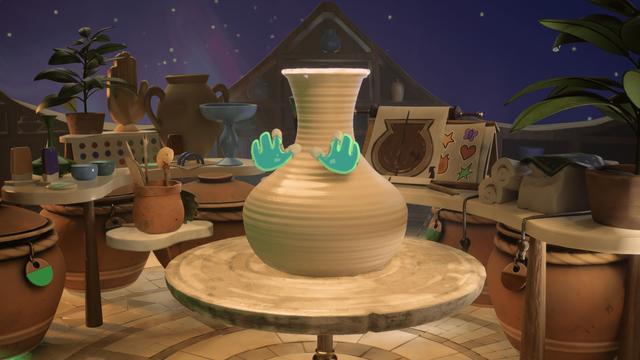
Mit Kiln präsentierte Double Fine eine der größten Überraschungen der Show. Das Spiel ist ein Online-Multiplayer-Pottery-Party-Brawler, der im Frühjahr 2026 erscheint.
Das Konzept kombiniert kreative Gestaltung mit chaotischem Teamkampf: Spieler formen auf einer Töpferscheibe ihre eigene Keramik-Kampfausrüstung. Form, Größe und Design der Objekte beeinflussen direkt die Fähigkeiten im Gefecht. Gespielt wird in 4-gegen-4-Teamkämpfen.
Double Fine stellte zudem verschiedene Handwerkswerkzeuge, Spielmodi und Mechaniken vor. Interessierte können sich bereits für einen kommenden Closed Beta-Test anmelden.
https://www.youtube.com/watch?v=6C11Zmc93-I
Ausblick: Xbox feiert 25-jähriges Jubiläum
2026 feiert Xbox sein 25-jähriges Bestehen. Neben den hier vorgestellten Titeln kündigte Microsoft an, im Laufe des Jahres weitere Spiele und Projekte zu präsentieren. Genannt wurden unter anderem:
- Gears of War: E-Day
- Halo: Campaign Evolved
Xbox will das Jubiläumsjahr mit neuen Spielen, bekannten Marken und frischen IPs begleiten.
 Aerialslayer
 Nintendo Connect

 電ファミニコゲーマー – ゲームの面白い記事読ん
 HistorySheWrote
 PugJesus
 Eurogamer.pt [Unofficial]
 Kotaku - Gaming Reviews, News, Tips and More. [Unofficial]
 Eurogamer.net [Unofficial]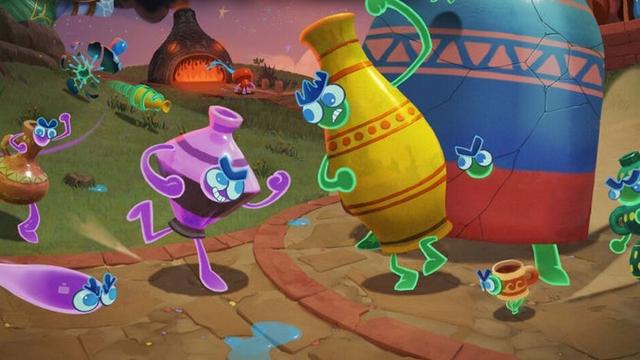
 Rock Paper Shotgun