Charted: Where Inflation Has Hit the Hardest (2000–2025) – Visual Capitalist
Economy
Charted: Where Inflation Has Hit the Hardest (2000–2025)
Published17 hours ago, on January 13, 2026
By Dorothy Neufeld, Graphics/Design: Miranda Smith
See more visualizations like this on the Voronoi app.
Use This Visualization
Twitter Facebook LinkedIn Reddit Pinterest Email
Where Inflation Has Hit the Hardest (2000–2025)
See visuals like this from many other data creators on our Voronoi app. Download it for free on iOS or Android and discover incredible data-driven charts from a variety of trusted sources.
Key Takeaways
- Overall U.S. inflation has increased 92% over the past 25 years.
- The cost of many essentials, like hospital services, childcare, medical care, housing, and even the cost of food, are rising at a faster rate than inflation overall.
- Meanwhile, the cost of technology (software, TVs, toys) is generally becoming cheaper on a relative basis.
Affordability remains a potent issue in America, with both Trump and Mamdami campaigning on high costs of living.
Even though inflation has fallen to around 2.7%, prices are about 25% higher than in 2020. Meanwhile, certain sectors, like housing and healthcare, have far outpaced this rate, putting growing strain on consumer wallets.
This graphic shows U.S. inflation by category, based on data from the Bureau of Labor Statistics.
The chart was inspired by Mark J. Perry’s famous “Chart of the Century”, which you should also take a look at.
ℹ️ Note: The BLS calculates CPI by tracking price changes for a fixed “basket” of goods, adjusting for quality improvements over time. For tech products, rapid gains in performance mean consumers get far more value per dollar, which shows up as large price declines even if sticker prices don’t fall.
Ranked: Inflation By Category in America
Below, we show the cumulative rate of inflation across key goods and services between 2000 and September 2025.
CategoryConsumer Price Inflation 2000-2025🏥 Hospital Services+275%🎓 College Tuition & Fees+196%🧒 Child Care+185%🩺 Medical Care+129%🏠 Housing+111%🍽️ Food & Beverages+104%🚗 New & Used Vehicles+25%🛋️ Furniture+9%👕 Clothing+2%📱 Cellphone Services-43%🧸 Toys-74%💻 Computer Software-75%📺 TVs-98%🛒 All U.S. Items+92%
Hospital services have consistently outpaced inflation over the past several decades, with costs rising a stunning 275% since 2000.
For perspective, hospital services increased 6.9% annually as of June 2024, faster than nursing homes (6%), prescription drugs (2.4%), and overall inflation (3%). Today, nearly one in five dollars spent in the U.S. economy goes toward health care, up from one in 20 in 1960.
More broadly, prices for essential services have significantly outpaced overall inflation, fueled by consolidation and labor-intensive operations.
College tuition and fees have also skyrocketed, rising 196% since 2000. Driving up costs are the hiring of more faculty and increased spending to attract students. Additionally, state funding has seen a long-term downtrend, meaning that colleges must rely more on tuition.
As we can see, housing inflation has jumped 111% compared to a 92% increase for all U.S. items. When interest rates hovered near 0% in 2020, it turbocharged housing demand, leading prices to spike to multiple record highs, even as interest rates increased.
Goods Under the Average, or Seeing Deflation
Interestingly, we can see that new and used vehicle inflation is far below the overall inflation rate, at 25%, averaging an annual increase of less than a percent. Like the housing market, however, prices increased notably over the pandemic amid supply chain bottlenecks.
On the other hand, software has seen a clear deflationary trend, driven by the rise of cloud computing and subscription models. Furthermore, TV prices are 98% cheaper than they were at the turn of the century, thanks to technological advancements and rising manufacturing efficiency.
Continue/Read Original Article Here: Charted: Where Inflation Has Hit the Hardest (2000–2025)
#20002025 #92PerCentIncreaseInflation #Affordability #AffordabilityCrisis #BureauOfLaborStatistics #ChildCareUp185 #CollegeUp196 #Data #Economy #HospitalCosts #HospitalServicesUp275 #HousingCosts #Inflation #MecicalCareUp129 #UnitedStates #VisualCapitalist #Visualized #VoronoiApp Mathrubhumi English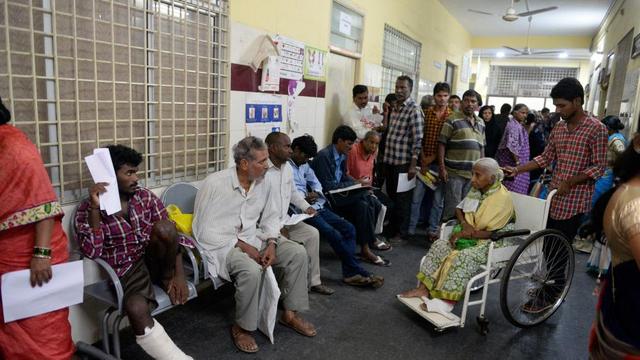
 DrWeb
DrWeb
 MOVING TO Mastodon.Social
