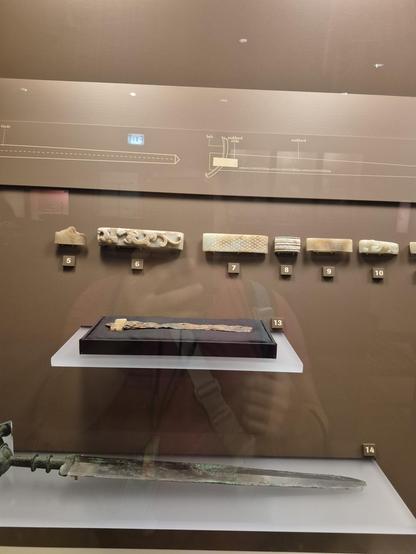
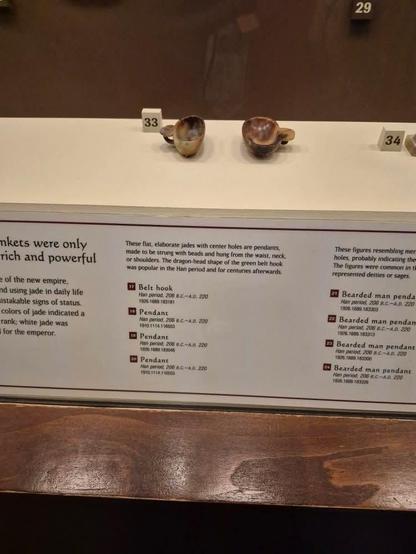
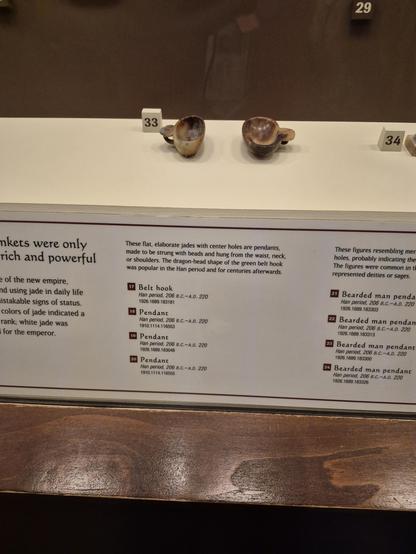
These flat, elaborate #jades with center holes are pendants, made to be strung with beads and hung from the waist, neck, or shoulders. The dragon-head shape of the green belt hook was popular in the #Hanperiod and for centuries afterwards
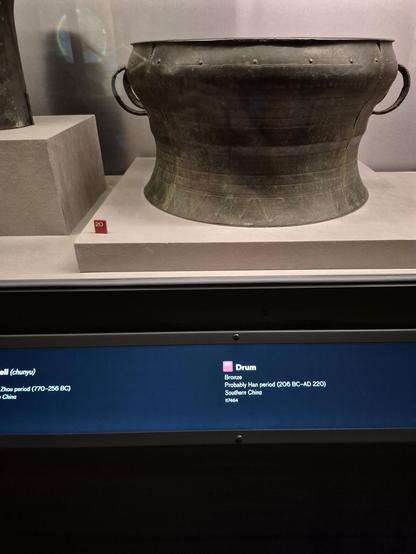
Drum

Bronze

Probably #Hanperiod (206 BC-AD 220) Southern China

117464

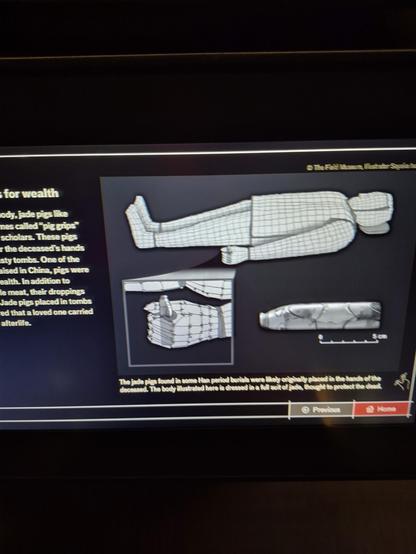
The #jadepigs found in some #Hanperiod burials were likely originally placed in the hands of the deceased. The body illustrated here is dressed in a full suilt of jade, thought to protect the dead

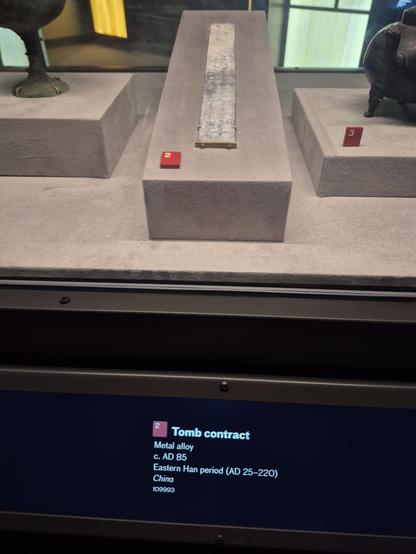
#Tombcontract

Metal alloy

c. AD 85

Eastern #Hanperiod (AD 25-220)

China

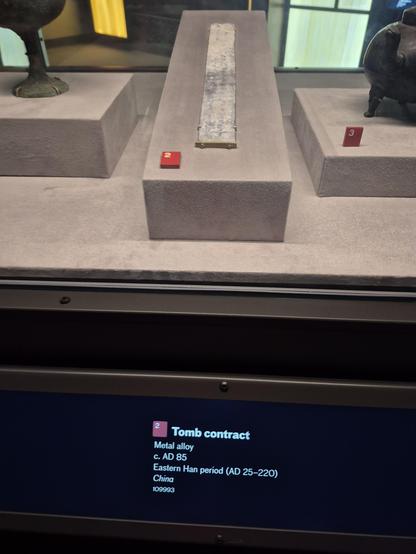
#Tombcontract

Metal alloy

c. AD 85

Eastern #Hanperiod (AD 25-220)

China

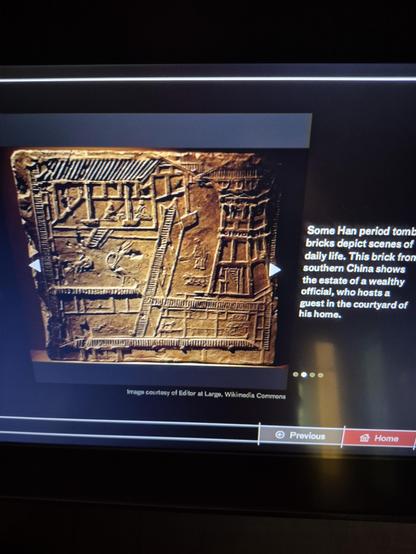
Some #Hanperiod tomb bricks depict scenes of daily life. This brick from southern China shows the estate of a wealthy official, who hosts a guest in the courtyard of his home

shoulders. The dragon-head shape of the green belt hook was popular in the Han period and for centuries afterwards.

Belt hook

#Hanperiod, 206 8.C.-A.D. 220 1926.1689.183181
#fieldmuseum #jade Field Museum From the #Hanperiod (206 B.C.E. –220 C.E.) jade was obtained from the oasis region of Khotan on the Silk Route. The oasis lies about 5000 miles from the areas where jade was first worked in the Hongshan

Bearded man #pendant #Hanperiod, 206 8.0-4.0. 220 1926.1889.183309

Bearded man pendant Han period, 206 B.C.-4.0. 220 1926 1689 183329

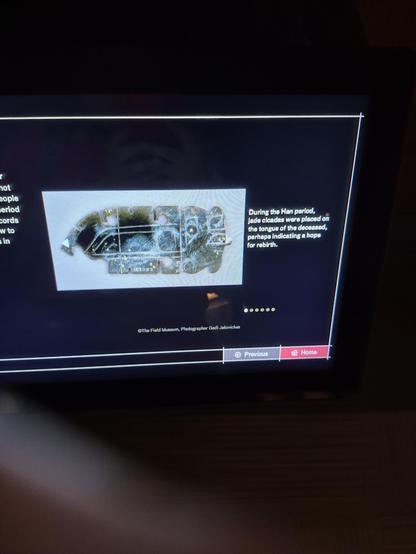
During the #Hanperiod, #Jade #cicadas were placed on the tongue of the deceased, perhaps indicating a hope for .