Habit Visibility 2/10 ⚖️
What is rewarded is repeated. What is punished is avoided.
But the most powerful rewards? Immediate ones.
#HabitScience #Psychology #EmberhartPodcast
Chaos, Processes, and Career Paths: What Fiction and Numbers Teach Us
The Emberhart Weekly
Our Brains Run On Autopilot Two-Thirds Of The Day. Behavioral psychologists find about 65% of daily behaviors are triggered by habits, not deliberate decisions.
#HabitScience #BrainResearch #BehaviorChange #PsychologyFacts #HealthHabitshttps://www.instagram.com/p/DW4etibjnOs/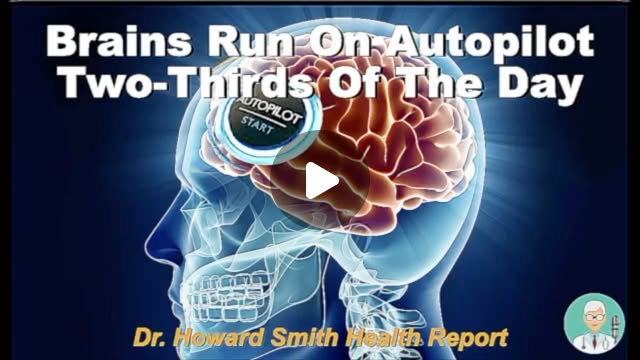
Howard G. Smith MD, AM on Instagram: "Our Brains Run On Autopilot Two-Thirds Of The Day
Think you consciously choose everything you do each day? Science says most of your actions occur automatically.
Behavioral psychologists at the UK’s University of Surrey found about 65% of daily behaviors are triggered by habits, not deliberate decisions. Your brain links certain situations, places, or times of day with specific actions, so when those cues appear, your behavior triggers automatically.
The good news: many of these robotic habits actually support your goals. The study found 46% of behaviors are both habit-driven and aligned with what you intend to do. Examples: brushing your teeth, preparing meals, and checking your email.
The key to changing any undesireable behaviors is building new positive habits and disrupting cues that trigger negative ones.
Examples:
• Want to exercise more? Attach it to a consistent moment like right after work.
• Trying to quit smoking? Avoid places or situations that trigger lighting up and replace them with a new routines.
To effect meaningful change, train your habits, not only your willpower.
References On My Website.
#HabitScience #BrainResearch #BehaviorChange #PsychologyFacts #HealthHabits"
0 likes, 0 comments - drhowardsmithreports on April 8, 2026: "Our Brains Run On Autopilot Two-Thirds Of The Day
Think you consciously choose everything you do each day? Science says most of your actions occur automatically.
Behavioral psychologists at the UK’s University of Surrey found about 65% of daily behaviors are triggered by habits, not deliberate decisions. Your brain links certain situations, places, or times of day with specific actions, so when those cues appear, your behavior triggers automatically.
The good news: many of these robotic habits actually support your goals. The study found 46% of behaviors are both habit-driven and aligned with what you intend to do. Examples: brushing your teeth, preparing meals, and checking your email.
The key to changing any undesireable behaviors is building new positive habits and disrupting cues that trigger negative ones.
Examples:
• Want to exercise more? Attach it to a consistent moment like right after work.
• Trying to quit smoking? Avoid places or situations that trigger lighting up and replace them with a new routines.
To effect meaningful change, train your habits, not only your willpower.
References On My Website.
#HabitScience #BrainResearch #BehaviorChange #PsychologyFacts #HealthHabits".
Podcast - Emberhart
Emberhart Podcast Tune in once a week, every Tuesday, to explore inspiring discussions with us. Each episode brings practical insights to help you grow and thrive. Stay tuned for future episodes covering even more topics to empower and guide you on your journey. Podcast episodes
HABIT CONTEXT 3/10
This led to a key realization: habits are not just repeated actions. They are tightly linked to the environments and circumstances where they form. 🧠
#HabitScience #ContextMatters #Behavior Emberhart
 Howard Smith MD, AM