 Gravitas
The Mercy: Africa's Floating Hospital Ship (Medical Documentary) | Real Stories

The Mercy: Africa's Floating Hospital Ship (Medical Documentary) | Real Stories
✔️ WHO checklist usage higher in first referral (99.4%).
📉 No significant difference in 30-day mortality between hospitals.
#GlobalSurgery #HealthcareResearch #LMIC #Pub2Post
https://tnyp.me/k32Aqpbj/m

First referral hospitals, often known as district hospitals, are neglected in the discourse on universal health coverage in low-income and middle-income countries (LMICs). However, these hospitals are important for delivering safe surgery for 313 million people. This study aims to understand the structures, processes and outcomes of patients undergoing surgery in these centres in LMICs. This is a preplanned secondary analysis using data from two high-quality randomised controlled trials undergoing major abdominal surgery across six LMICs. Type of hospital was the main explanatory variable, defined according to the WHO taxonomy as first referral (ie, district or rural) and referral (ie, secondary or tertiary). Of the included 15 657 patients across 80 hospitals from 6 countries, 3562 patients underwent surgery in first referral and 12 149 patients underwent surgery in referral centres. First referral centres have lower full-time surgeons (median: 1 vs 20, p<0.001) and medically trained anaesthetists (28.6% vs 87.1%, p<0.001) compared with referral centres. Patients undergoing surgery in first referral centres were more likely to have lower rates of American Society of Anaesthesiologist (ASA) grades III–V (8.1% vs 22.7%, p<0.001), but higher rates of emergency procedures (65.1% vs 56.6%, p<0.001). In first referral centres, there was a significantly higher use of WHO surgical safety checklist (99.4% vs 93.3%, p<0.001) compared with referral centres. In adjusted analyses, there were no differences in 30-day mortality (OR 1.09, 95% CI 0.73 to 1.62) and surgical site infection (OR 1.30, 95% CI 0.89 to 1.90) between first referral and referral centres. Postoperative mortality and surgical site infection remain similar between first referral and referral centres in LMICs. There may be a clear need to upscale surgical volume safely in first referral centres to meet global surgical needs. High-quality research is needed to drive safe expansion of surgical workforce and strengthen referral pathways within these surgical health systems in LMICs.
Access and Quality of Elective Care: A Global Analysis
📈 18,058 patients included from 640 hospitals across 83 countries
🔍 Emergency surgery rates: High-income (6.8%) to low-income (14.2%)
⏱ Median waiting time: 8 months, mainly due to diagnostic delays
💡 Mesh use decreases from high-income to low-income countries: 97.6% to 61.0%
📉 Complications more frequent in emergency cases
seriesBMF test : Comparison of surgical care between first referral and referral hospitals in LMICs:
#GlobalSurgery #HealthCare #LMIC #NIHR #FALCON #ChEETAh #Pub2Post tnyp.me/k32Aqpbj
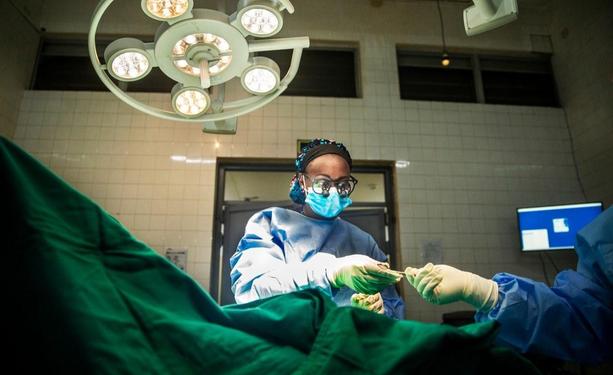
In high school, a guidance councillor told #SalomeMaswime that she would never be accepted at #medical school. Today, she is a professor and head of #globalsurgery at the University of Cape Town #uct. Biénne Huisman chatted to Maswime about her work on safe #surgery, her remarkable career, and being the only #blackwoman in the room.
👇🏾👇🏾👇🏾

In high school, a guidance councillor told Salome Maswime that she would never be accepted at medical school. Today, she is a professor and head of Global Surgery at the University of Cape Town. Biénne Huisman chatted to Maswime about her work on safe surgery, her remarkable career, and being the only black woman in the room.
 Suweb Reza
 Headlines Africa
 Spotlight