 personally
All That Jazz: CIA, Voice of America, and Jazz Diplomacy in the Early Cold War Years, 1955-1965
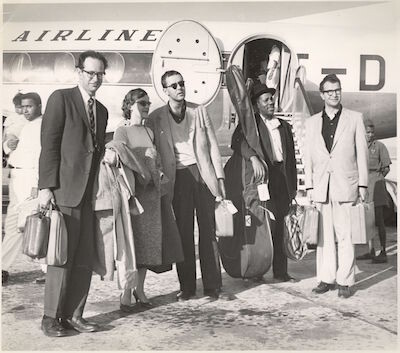
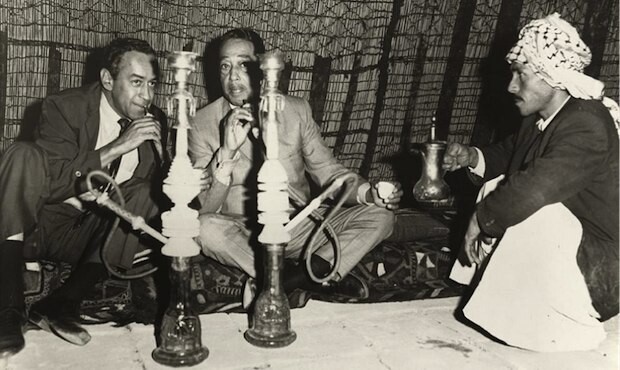
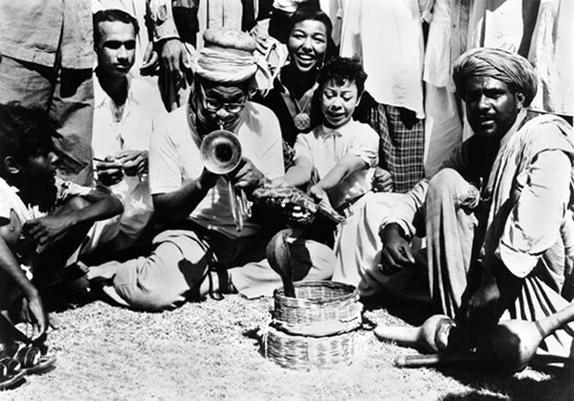
The jazz ambassadors represented America at a unique historical juncture. The Cold War, the African-American civil rights movement, and the emergence of 40 new African and Asian nations created the context in which the jazz ambassadors projected the optimism and vitality of black American culture throughout the world. Through the jazz tours and through the VOA broadcasts, the music of the jazz ambassadors reached from Kabul, Leningrad, Damascus, and Tehran to Baghdad, Bombay, Karachi, and Kinshasa. The music reached even into the prisons of apartheid.
All over the world, the U.S. came to be associated with jazz, civil rights, African-American culture, and egalitarianism—not because the jazz ambassadors claimed to represent a free country, but because they identified so deeply with freedom struggles everywhere. In a fundamental way, the musicians were cultural translators who inspired the vision and shaped its contours, and they asserted their right to “play for the people.”
The story of jazz and the State Department, the CIA, and Voice of America is not the story of a nation standing apart from and unsullied by imperial power. It is the story of an America deeply implicated in the machinations and violence of global modernization: the slave trade that forced millions of Africans to voyage in chains to the Americas; the U.S. involvement in CIA-planned coups in Iran, Iraq, Guatemala, and the Belgian Congo; and the arming of military tyrannies in Egypt and Pakistan. These events established the context for the tours.
https://www.jstor.org/stable/26202013
#jazz #ColdWar #VoiceOfAmerica #AfricanAmericanCivilRights #InternationalDiplomacy #CulturalDiplomacy #CulturalTranslation #FreedomStruggles #StateDepartment #CIA #GlobalModernization #SlaveTrade #Coups #MilitaryTyrannies
#music