 Tom MacInnes
Who’s Punk?! What’s the Score?!...Song #9/25: American Idiot by Green Day https://tommacinneswriter.com/2023/11/22/whos-punk-whats-the-score-song-9-25-american-idiot-by-green-day/ #AmericanIdiot, #Gilmans, #GreenDay, #Punk, #WhosPunk?!WhatsTheScore?!, #9

 Tom MacInnes
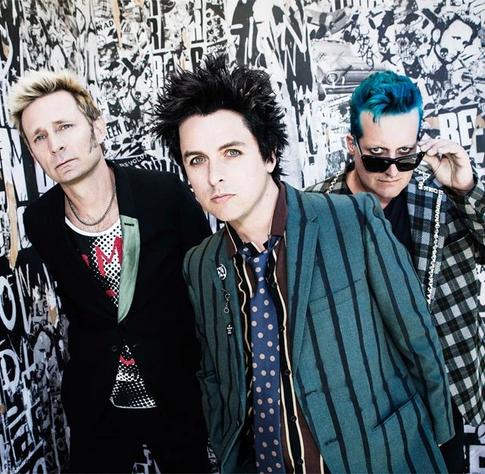
Green Day are one of the most commercially successful rock bands of the past thirty years. They have sold over 75 million albums worldwide, have earned multiple gold and platinum records and have already been inducted into The Rock n’ Roll Hall of Fame, even though they are still an active touring band. However, their very success has fuelled much discussion and debate among fans as to whether or not they are actually a true punk rock band. The debate centres around whether Green Day has adhered to the strict ethos of what makes a punk band truly punk or have they sold their soul to the gods of corporate rock n’ roll. Like many issues of this sort, there are points to be had for both sides of the story. In fact, one of the best books I have read in a while was totally devoted to the issue of examining the careers of bands who claimed to be punk to see how they dealt with commercial growth and blowback against them if they ended up signing a contract with a major record label. The entire first chapter of Sell Out by Dan Ozzi was devoted to Green Day. To be fair, Ozzi didn’t label any of the bands profiled in this book as being sellouts. Instead, he simply chronicled each band’s story. However, the world of punk is filled with fans who are purists in their idea of what constitutes a punk band. Heaven help those who opt to feed from the corporate teat. This is the story of Green Day.
Green Day at Gilman’s.Green Day came together in the same Berkley/San Francisco area of California that bands such as Jawbreaker did. *(This series began with a post about Jawbreaker and the demands that fans and promoters of punk music placed upon the bands that they followed. It is an important read if you wish to understand the context in which Green Day was judged. You can read that post here). The band consisted of only three players: singer/guitarist Billie Joe Armstrong, bassist Mike Dirnt and drummer John Kiffmeyer. Not long into their career as a band, Kiffmeyer left to attend college. He was replaced by current drummer Tre Cool. When it came to describing who Green Day were as a band in their younger days, they checked a lot of the boxes necessary to be considered a punk rock band. First of all, they played loud and fast. Secondly, they interacted with their audiences, often playing close enough to reach out and touch their fans as they played and vice versa. Thirdly, Green Day had lots to say about the state of the world around them and were often heard singing about their disgust with right wing, conservative politics and the politicians who supported such policies. Finally, Green Day signed their first record contract with a small local record company named Lookout! Records. Signing with Lookout! Records was an important step in establishing the necessary street credibility with their early punk audiences because that company was the one that signed and promoted other local punk bands such as Operation Ivy (which eventually evolved into the band Rancid). Lookout! Records operated on a shoestring budget, channeling almost all profits back into promoting the bands they had signed. Music that was vital and filled with passionate idealism was being made by bands who had a lot to say. It was being consumed by a rapturous choir of fans who all truly believed that punk music was music in its purest form. The holy temples where the bands played and the fans jumped up and down included places like Gilman *(mentioned in the Jawbreaker post). If the Gilman’s experience could have gone on and on forever in a protective bubble away from the rest of the world, then all would have been good. But life does not exist in a protective plastic bubble.
One of the other characteristics of many pure punk bands is that there is a rawness to their sound. These bands tend to be loud, with distortion and feedback being common features of how they play. One of the attributes that Green Day began to possess that first raised eyebrows with their fans was that they actually began to learn how to play their instruments properly. Dare I say that their musical sound became almost slick? Being a tight, polished band alarmed their fans. Green Day began playing songs that sounded more like pop or rock than they did punk. Because their songs were becoming so well constructed, rumours swept the punk world in San Francisco that Green Day was about to sign with a major label. When news leaked out that, in fact, they had left Lookout! Records for Reprise Records and had signed a major label recording contract, Green Day found themselves ostracized by their fans. Not long after they signed with Reprise, Green Day released their major label debut album called Dookie. Dookie was a huge success! It sold millions of copies and included hit songs such as “Longview”, “Basket Case”, “When I Come Around” and “Welcome to Paradise”. Music critics raved about the album, calling it one of the best punk albums of all time. The band members became famous overnight. Their bank accounts swelled. They became the poster children for the new punk-inspired resurgence that also included bands such as The Offspring, Blink 182, Jimmy Eat World and so on. Yet, through all of the band’s success, the members of Green Day found themselves under constant scrutiny regarding the question of whether they had sold their punk soul to the corporate rock world.
As time unfolded, Green Day found that their fanbase had changed. Gone were their original passionate, opinionated fans from the Gilman sphere of influence. In their place were fans who were more interested in having fun and bopping along to songs that had a good beat and were easy to dance to, as they used to say on Dick Clark’s American Bandstand. The funny thing was that Green Day still felt as though they hadn’t changed much at all. They were convinced that they were the same hard driving, loud, fast and political band that they had always been and that the only thing that changed was that they had an actual comfortable tour bus to get them to gigs as opposed to a ratty old broken down van. Soon, drugs and alcohol became a refuge from the reality that they found themselves in. There were several incidents in which Billy Joe Armstrong left concerts in mid-performance because he was angry at the promoters of the show or at something the audience was doing. Sales began to fall. It appeared as though Green Day might end up becoming irrelevant. A breakup of the band seemed imminent. Then something happened beyond the control of the band that ended up revitalizing their career…the Twin Towers fell.
In the aftermath of the 9/11 attacks in New York City, a great many political moves were made by the U.S. government of the day led by President George W. Bush that were seen as being undemocratic by the band. Personal liberties were curtailed, music was censored on radio stations, public discourse became polarized and the nation was plunged into a war that many deemed to be ill-conceived and more focussed on revenge than anything else. Being the opinionated young men that they were, the members of Green Day sought to express themselves in song. Initially, they started working on an album of songs that were a mishmash of styles. In a bit of fortuitous luck, the master tapes from those early sessions were stolen. When the band sat to discuss what to do next, their producer challenged them to be better by asking if they truly believed that the music on those stolen tapes was their best work. When the boys in the band agreed that it wasn’t their best work, it was felt that a make or break time had come for Green Day as a band. To give up felt like admitting that George Bush and his followers were right about how life should be in America. So instead, Billie Joe Armstrong went off on a writing retreat and emerged a few weeks later with the makings of a cohesive album that read more like a rock opera in the same vein as Quadrophenia and Tommy by The Who. Armstrong, Dirnt and Cool channeled all of their anger against George Dubya into an album that became known as American Idiot. This album contained songs such as the title track, “Holiday”, “Boulevard of Broken Dreams” and “When September Comes”. It was a huge hit for Green Day and served as a rallying cry by left-leaning Americans against the Republican president’s policies and personality. American Idiot breathed new life into the band. Green Day were now being hailed as a powerful voice for a new generation. They had accrued elder statesmen status and began to be respected as a talented and vital band once again.
In recent interviews, the band was asked to reflect on their legacy. Armstrong replied by admitting that it is foolish to call them a punk band these days because of the size and complexity of their live shows and the amount of financial considerations involved in paying the salaries of hundreds of employees who help the entity known as Green Day to function day in and day out. However, he was quick to add that Green Day remains punk as f*ck because they are never afraid to speak their mind to the powers that be through their music. The members of Green Day are justifiably proud of their accomplishments and each swear that their best may still be to come. American Idiot was the inspiration behind a Broadway musical that launched a decade or so ago. The band was also recently the half-time guests at the CFL’s Grey Cup championship game. If playing in the cold at half-time in the land of three-down football isn’t punk then I don’t know what is.
The link to the video for the song “American Idiot” by Green Day can be found here. ***The lyrics version is here.
The link to the official website for Green Day can be found here.
The link to the video for the trailer to American Idiot: the Musical can be found here.
The link to a news article about how Green Day are seen as heroes by many in the LBGTQ2s+ community can be found here. In addition to the specific connection Green Day has to this community, the article points out the tremendous role that music and musicians can play in the lives of people who feel marginalized and forgotten. This article by Niko Stratis is one of my favourite music-related articles I have ever read. Period. It is well worth checking out.
The title of this series was taken from a lyric in the song “Boxcar” by the awesome Bay-area band Jawbreaker. Please show this band a little love and visit their website to buy a little merch, score some show tickets, etc. Thanks. The band and I appreciate it. The link to their website can be found here.
***As always, all original content found in this post remains the sole property of the author. No portion of this post shall be reblogged, copied or shared without the express written consent of the author. ©2023 http://www.tommacinneswriter.com
#AmericanIdiot #GilmanS #GreenDay #Punk #WhoSPunkWhatSTheScore_ #9