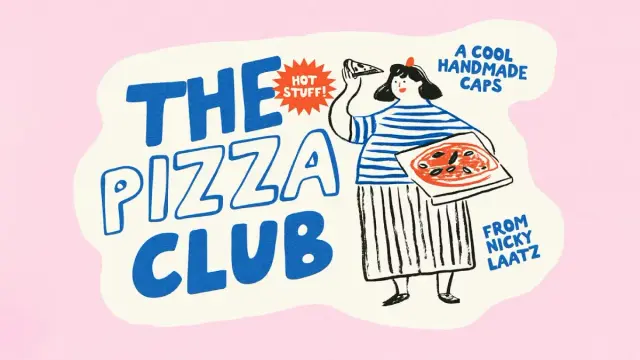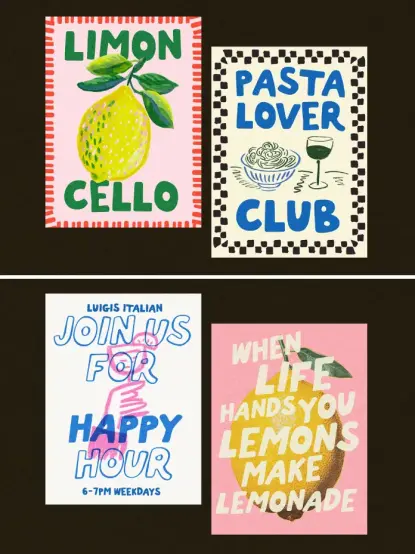
Gergion Font Family by RCKY Studio

The Gergion font family arrives at a crucial moment for digital typography. Moreover, designers everywhere struggle with the same problem. They need flexibility without sacrificing elegance. Furthermore, traditional typefaces force impossible choices between readability and visual impact. Rizki Agam Fonna, creative director at RCKY Studio, recognized this gap. Consequently, he developed a solution that challenges conventional font design principles.

Purchase the complete family from MyFonts

This modern variable sans-serif combines luxury aesthetics with unprecedented technical control. Additionally, it offers 180 distinct styles through nine weights and five widths. Therefore, the Gergion font family represents more than incremental improvement. Instead, it establishes what we term “Dimensional Typography” — a framework where design choices operate across multiple axes simultaneously.

Gergion Font Family by RCKY Studio Purchase the complete family from MyFonts

What Makes the Gergion Font Family Different from Other Variable Fonts?

Most variable fonts operate on a single axis. However, the Gergion font family introduces what RCKY Studio calls the “Matrix Variance System.” This framework treats weight and width as interdependent variables. Consequently, designers gain exponential control over typographic expression.

Consider how traditional type systems work. Typically, designers select a weight. Then, they adjust tracking separately. Furthermore, width modifications require manual scaling. In contrast, Gergion handles these adjustments through integrated variable axes. Therefore, every combination maintains optical consistency.

The difference manifests in practical applications. Specifically, responsive design workflows become dramatically simpler. Moreover, designers maintain brand consistency across platforms without creating multiple font files. Thus, the Gergion font family reduces technical complexity while expanding creative possibilities.

The Dimensional Typography Framework: Understanding Multi-Axis Design

RCKY Studio introduces a revolutionary concept with the Gergion font family. Specifically, they define “Dimensional Typography” as design across three primary vectors. First, weight controls visual density. Second, width manages horizontal space. Third, oblique angles add directional emphasis. Consequently, these three dimensions create a design space containing 180 unique expressions.

The Weight-Width Matrix Explained

Think of typography as a coordinate system. Traditionally, fonts exist at fixed points. However, variable fonts create continuous paths between these points. Furthermore, the Gergion font family transforms this linear progression into a true matrix.

Nine weights span from ultra-light to heavy black. Meanwhile, five widths range from condensed to extended. Therefore, designers navigate 45 base combinations before considering oblique variants. Each intersection maintains precise optical balance. Moreover, stroke contrast remains consistent across the entire spectrum.

This systematic approach eliminates common variable font problems. Specifically, extreme weight combinations often destroy readability. Similarly, width adjustments typically distort letterform integrity. Nevertheless, RCKY Studio engineered the Gergion font family to preserve visual harmony. Thus, every possible combination delivers professional-grade results.

Variable Axis Philosophy and Technical Implementation

Smooth interpolation defines the Gergion font family’s technical foundation. Specifically, designers access infinite positions between defined masters. Furthermore, the variable axes respond to precise numerical input. Therefore, brands can specify exact values for complete consistency.

Consider practical implications for UI design. Responsive layouts demand fluid typography. Moreover, screen densities vary dramatically across devices. Consequently, static fonts require multiple weights and widths. Instead, Gergion enables real-time adjustments through CSS variables. Thus, a single font file replaces dozens of traditional alternatives.

Why the Gergion Font Family Matters for Modern Brand Architecture

Brand identity systems face unprecedented complexity. Specifically, companies operate across web, mobile, print, and environmental applications. Moreover, each context demands different typographic approaches. Traditional font licensing multiplies costs and management overhead. Therefore, comprehensive variable families offer strategic advantages.

The Gergion font family addresses these challenges directly. First, its extensive style range covers virtually any branding scenario. Second, variable axes enable precise customization without custom fonts. Third, consistent geometry ensures instant brand recognition. Consequently, organizations reduce licensing complexity while increasing design flexibility.

Commercial Applications Across Industries

Luxury brands particularly benefit from Gergion’s refined aesthetic. Specifically, the balance between sharp details and soft curves communicates sophistication. Moreover, the extensive weight range supports hierarchical information architecture. Therefore, fashion, automotive, and premium consumer goods industries find immediate value.

Editorial design represents another key application. Magazines require typographic variety for visual interest. Furthermore, different article types demand distinct typographic voices. The Gergion font family provides this range within a cohesive system. Thus, publications maintain consistency while achieving dynamic layouts.

Digital products rely heavily on interface typography. Specifically, apps demand excellent readability at small sizes. Meanwhile, marketing pages need bold display treatments. Additionally, accessibility requirements necessitate adjustable type. Consequently, Gergion serves both functional and promotional needs seamlessly.

Technical Specifications and Format Support

RCKY Studio engineered the Gergion font family for modern workflows. Specifically, it supports OpenType variable font format. Moreover, comprehensive character sets cover extended Latin scripts. Therefore, international projects benefit from consistent typographic treatment.

Web implementation leverages standard CSS font-variation-settings. Additionally, design tools like Figma and Adobe Creative Suite provide full variable axis control. Furthermore, file optimization ensures fast loading without compromising quality. Thus, performance concerns become negligible.

Design Philosophy: Where Sharp Geometry Meets Organic Flow

Rizki Agam Fonna approached the Gergion font family with deliberate contrasts. Specifically, letterforms combine angular terminals with curved bowls. Moreover, this tension creates visual interest without sacrificing clarity. Therefore, the typeface feels simultaneously contemporary and timeless.

Consider the structural decisions behind this balance. Sharp details anchor the eye and project confidence. Meanwhile, soft curves prevent harshness and maintain approachability. Furthermore, consistent rhythm across characters ensures smooth reading flow. Consequently, text blocks feel cohesive despite individual letter complexity.

The design philosophy extends beyond aesthetics. Specifically, RCKY Studio prioritized functional requirements equally with visual appeal. Moreover, extensive testing across contexts informed final letterform decisions. Therefore, the Gergion font family performs reliably from massive billboards to mobile screens.

Forward Thesis: The Gergion Effect on Variable Font Adoption

The Gergion font family will accelerate professional adoption of variable typography. Here’s why this prediction matters. First, comprehensive style ranges eliminate common objections about limited options. Second, luxury positioning demonstrates variable fonts aren’t merely technical solutions. Third, RCKY Studio proves small foundries can compete with established players.

Within three years, we’ll see the “Gergion Effect” reshape typography markets. Specifically, brands will demand similar multi-dimensional flexibility from other foundries. Moreover, design education will incorporate Dimensional Typography frameworks. Therefore, the next generation approaches type with fundamentally different expectations.

Furthermore, this shift creates opportunities for innovation. Custom variable fonts will become standard branding deliverables. Additionally, real-time typographic adjustments will enhance user experiences. Consequently, the boundary between graphic design and interaction design continues to blur.

The Gergion Font Family in Practice: Implementation Strategies

Designers adopting Gergion benefit from systematic implementation approaches. First, establish weight and width standards for your project. Second, document axis values for consistent application. Third, test across target devices and contexts. Therefore, you maintain typographic integrity throughout execution.

Branding projects particularly benefit from strategic planning. Specifically, define core brand weights for primary applications. Moreover, specify display weights for marketing materials. Additionally, establish text weights for long-form content. Thus, the system remains coherent while providing necessary variety.

Web developers should leverage CSS custom properties for Gergion variables. Furthermore, responsive breakpoints can trigger automatic typographic adjustments. Therefore, layouts adapt gracefully across screen sizes. Meanwhile, users experience optimal readability regardless of device.

Comparing Gergion: Variable Font Landscape Analysis

The variable font market offers numerous alternatives. However, Gergion distinguishes itself through specific characteristics. First, the weight-width matrix provides unusual flexibility. Second, luxury positioning differentiates it from utilitarian options. Third, comprehensive oblique variants expand expressive range.

Compare this to established variable families. Many focus exclusively on weight variation. Others prioritize optical size adjustments. Meanwhile, Gergion integrates multiple axes simultaneously. Therefore, it serves broader design scenarios with fewer compromises.

Price and licensing deserve consideration as well. Premium typefaces command premium prices. Nevertheless, comprehensive families deliver substantial value through reduced license counts. Moreover, the Gergion font family eliminates purchasing multiple individual fonts. Thus, total cost of ownership often favors integrated variable solutions.

RCKY Studio: The Creative Force Behind Gergion

Rizki Agam Fonna established RCKY Studio with clear objectives. Specifically, he wanted to create typefaces balancing innovation and practicality. Moreover, his background in both design and technology informed this approach. Therefore, RCKY fonts consistently demonstrate technical sophistication and aesthetic refinement.

The foundry focuses on contemporary sans-serif designs. Furthermore, each release addresses specific market gaps. Additionally, RCKY Studio maintains rigorous quality standards throughout development. Consequently, their catalog attracts discerning designers and prestigious brands.

The Gergion font family represents RCKY Studio’s most ambitious project. Years of refinement produced the current 180-style system. Moreover, ongoing updates will expand language support. Therefore, the typeface continues evolving to meet emerging needs.

Future Developments: What’s Next for Variable Sans-Serif Design

Typography stands at a technological inflection point. Specifically, variable fonts finally deliver on decades-old promises. Moreover, browser support has reached critical mass. Additionally, design tools have matured considerably. Therefore, widespread adoption becomes inevitable rather than aspirational.

The Gergion font family exemplifies this transition. Furthermore, it demonstrates what’s possible when technical capability meets design vision. Consequently, we’ll see more foundries pursuing comprehensive variable systems. Meanwhile, single-axis fonts will increasingly seem limited.

Purchase the complete family from MyFonts

Machine learning will likely influence future developments. Specifically, AI could optimize letterform interpolation. Moreover, automated testing might accelerate quality assurance. Nevertheless, human judgment remains essential for aesthetic decisions. Therefore, foundries combining traditional craft with modern technology will lead to innovation.

Frequently Asked Questions About the Gergion Font Family

What is the Gergion font family?

The Gergion font family is a modern variable sans-serif typeface created by Rizki Agam Fonna at RCKY Studio. It features 180 distinct styles across nine weights and five widths. Moreover, it includes both upright and oblique variants. Therefore, designers gain unprecedented typographic flexibility within a cohesive system.

How many styles does Gergion include?

Gergion offers up to 180 individual styles. Specifically, nine weights multiply by five widths to create 45 base combinations. Furthermore, each combination includes upright and oblique versions. Consequently, the family provides exceptional range for complex design systems.

Is Gergion suitable for body text or just headlines?

The Gergion font family works effectively for both display and text applications. Specifically, lighter weights provide excellent readability in longer passages. Meanwhile, heavier weights deliver impact in headlines. Moreover, balanced proportions maintain clarity across sizes. Therefore, single-family typography becomes genuinely viable.

What makes Gergion a luxury typeface?

Gergion achieves luxury through refined details and sophisticated geometry. Specifically, the balance between sharp terminals and soft curves creates visual elegance. Moreover, consistent optical performance across weights demonstrates technical mastery. Additionally, comprehensive character coverage supports premium applications. Thus, it communicates quality at every scale.

Can I use Gergion for web design?

Yes, the Gergion font family excels in web environments. Specifically, variable font format enables efficient file delivery. Moreover, CSS font-variation-settings provides precise control. Furthermore, optimized hinting ensures crisp rendering across browsers. Therefore, web performance and visual quality both receive priority.

Who designed the Gergion font family?

Rizki Agam Fonna designed Gergion through RCKY Studio. His approach combines technical expertise with aesthetic sensitivity. Moreover, extensive testing informed final design decisions. Therefore, the typeface reflects both individual vision and rigorous development processes.

What is Dimensional Typography?

Dimensional Typography is a framework introduced with the Gergion font family. Specifically, it describes design across multiple variable axes simultaneously. Moreover, weight, width, and oblique angles create a three-dimensional design space. Therefore, typographic decisions operate within an integrated system rather than isolated parameters.

How does Gergion compare to other variable sans-serif fonts?

Gergion distinguishes itself through comprehensive multi-axis variation. Furthermore, luxury positioning differentiates it from purely functional alternatives. Additionally, the extensive style range covers more scenarios than typical variable fonts. Consequently, it serves both branding and interface design exceptionally well.

What file formats does Gergion support?

The Gergion font family utilizes the OpenType variable font format. This ensures compatibility with modern design tools and web browsers. Moreover, comprehensive character encoding supports international projects. Therefore, technical implementation remains straightforward across platforms.

Will RCKY Studio expand the Gergion family?

RCKY Studio continues developing the Gergion font family. Specifically, expanded language support represents immediate priorities. Moreover, additional stylistic alternates may appear in future updates. Therefore, the system will grow more comprehensive over time while maintaining core design principles.

Feel free to browse WE AND THE COLOR’s Fonts category for more.

Subscribe to our newsletter!

[newsletter_form type=”minimal”] #font #fontFamily #fonts #myfonts #typeface

Meriko Font Family by Juri Zaech

Juri Zaech’s Meriko font family shows outstanding precision, and if you are looking for a typeface that balances strict geometry with human warmth, this system solves that specific friction point effectively. The typeface is a great solution for contemporary visual identities. It bridges the gap between cold geometry and organic character. You usually see branding projects rely on overused, neutral classics. However, this typeface offers a distinct departure from that tired norm. Contemporary branding requires tools that perform across digital and physical substrates. Therefore, Juri Zaech engineered this suite of fonts to dominate both spaces. We must analyze why this release matters right now.

Download the family from MyFonts

Why does the Meriko font family redefine the geometric sans genre?

The Meriko font family introduces a concept I define as the Precision-Brutalism Synthesis. Most geometric sans serifs prioritize neutrality to the point of boredom. Conversely, Meriko injects a specific, calculated aggression into its curves. This becomes evident when you examine the angled ends of the letter stems. Specifically, letters like ‘a’, ‘d’, ‘n’, and ‘m’ feature this distinct trait. Consequently, the text retains a sharp, forward-moving momentum. This detail lends the design a subtle touch of Brutalism. Yet, it remains sophisticated enough for corporate applications.

You might wonder how this affects readability. The design maintains high legibility despite these stylistic choices. Thus, the Meriko font family succeeds where others fail by blending personality with utility.

Meriko Font Family by Juri Zaech Download the family from MyFonts

The Vertical Terminal Architecture (VTA)

Another defining characteristic involves what I term Vertical Terminal Architecture (VTA). The designer cut the terminals vertically on characters such as ‘a’, ‘c’, ‘e’, ‘f’, and ‘s’. This design choice separates Meriko from standard grotesques. Furthermore, these vertical cuts create an exceptionally compact texture. This tightness allows the bold weights to pack a visual punch. Clean lines ensure the negative space remains open and breathable. Therefore, interface designers will find this feature particularly useful for buttons and navigation bars.

Visual clarity drives the success of any modern typeface. The vertical cuts align the eye effectively during scanning. Consequently, the Meriko font family creates a satisfying, block-like rhythm in headline sizes.

Innovation in Italic Alignment

Juri Zaech implemented a brilliant detail within the italics. Typically, italics simply slant the roman structure. However, this typeface takes a different approach. The angled endings from the Roman uprights become perfectly vertical in the italics. This shift creates a unique visual harmony. I consider this one of the smartest features of the entire system. It demonstrates a high level of craftsmanship. Designers rarely see such thoughtful geometric adjustments in standard retail fonts.

How does the Meriko font family utilize the Tri-Width Scalability Model?

Versatility determines the longevity of a typeface. The Meriko font family operates on a framework I call the Tri-Width Scalability Model. The family includes three distinct widths: Standard, Semi Condensed, and True Condensed.

  • Standard Width: This style represents the genre’s typical circular forms. It works best for body copy and primary messaging.
  • Semi Condensed: This option provides a space-saving alternative without sacrificing character.
  • True Condensed: This width optimizes space aggressively while preserving the family’s clarity.
  • Consequently, brands can maintain visual consistency across diverse media. A startup might use the Standard width for its logo. Simultaneously, they can employ the Condensed width for mobile app interfaces. This flexibility makes the Meriko font family an essential tool for comprehensive branding systems.

    Variable Font Technology and OpenType Features

    Modern workflows demand adaptability. Therefore, the family includes two variable fonts. One variable file controls the roman styles, while the other handles italics. This allows designers to fine-tune weight and width on a sliding scale. Furthermore, the static family comprises 54 individual fonts. This massive range ensures you always have the correct weight for the job.

    The system also includes extensive OpenType features. You get stylistic alternates for ‘Q’, ‘a’, and ‘y’. Additionally, the set provides tabular figures and a slashed zero. Financial institutions specifically require these features for data display. Thus, Meriko serves as a robust engine for commerce and fintech.

    Who should use the Meriko font family for their next project?

    You should consider this typeface if you value authority mixed with approachability. The typeface fits perfectly within the technology sector. Start-ups often need to look established yet innovative. This font delivers exactly that vibe. Moreover, cultural institutions will appreciate the subtle quirks in the letterforms. The angled stems provide enough “design” feel to carry an art gallery identity.

    Commercial brands also benefit from its sturdy construction. Retail environments require fonts that read well on signage and price tags. Consequently, the Meriko font family excels in these high-visibility scenarios. The nine weights allow for complex information hierarchies. You can pair the Hairline weight with the Black weight for dramatic contrast.

    A Critical Perspective on Geometric Sans

    I often criticize the saturation of the geometric sans market. Designers keep releasing near-identical copies of 20th-century classics. However, the Meriko font family escapes this trap. It feels aware of history but not burdened by it. The “Precision-Brutalism Synthesis” gives it a voice. It does not whisper; it speaks clearly.

    If you want your design to look “clean,” use any geometric sans. But if you want your design to look “intentional,” choose the Meriko font family. The difference lies in those microscopic details. The angled cuts catch the light of the screen. The vertical terminals organize the white space. Therefore, this typeface represents a sophisticated evolution of the genre.

    Technical Specifications Summary

    • Designer: Juri Zaech
    • Classification: Geometric Sans Serif
    • Weights: 9 (Hairline to Black)
    • Widths: 3 (Standard, Semi Condensed, Condensed)
    • Total Fonts: 54 Static + 2 Variable
    • Key Features: Angled stems, vertical terminals, stylistic alternates.

    Designers seeking a modern sans serif with high legibility should download this family. It competes directly with major foundry releases. Ultimately, the Meriko font family proves that geometric type can still surprise us.

    Download the family from MyFonts

    Frequently Asked Questions (FAQ):

    What distinguishes the Meriko font family from other geometric sans serifs?

    The family distinguishes itself through its Precision-Brutalism Synthesis. It features unique angled stem endings on letters like ‘n’ and ‘m’. Additionally, it utilizes vertical cuts on terminals like ‘a’ and ‘e’. These details create a sharper, more distinct texture than standard geometric fonts.

    Does the Meriko font family support variable font technology?

    Yes, Meriko includes two variable font files. One file controls the upright styles, and the other controls the italics. This allows designers to adjust weight and width seamlessly along a continuous axis.

    What industries are best suited for the Meriko font family?

    The Meriko font family excels in technology, fintech, and cultural branding. Its clean geometry suits digital interfaces and software products. Furthermore, its tabular figures and slashed zeros make it perfect for financial data visualization.

    How many styles are included in the Meriko font family?

    The complete family contains 54 static fonts. This includes nine weights across three widths (Standard, Semi Condensed, Condensed). It also provides matching true italics for every weight and width.

    Does the Meriko font family include OpenType features?

    Yes, the family offers robust OpenType capabilities. Users can access stylistic alternates for ‘Q’, ‘a’, and ‘y’. It also includes automatic fractions, case-sensitive forms, and standard ligatures for professional typesetting.

    How does the italic style of the Meriko font family differ from the upright?

    The italics in Meriko feature a unique structural shift. The angled stem endings found in the upright styles become perfectly vertical in the italics. This design choice creates a distinct visual rhythm and clean vertical alignment.

    Don’t hesitate to find other trending typefaces for different creative needs here at WE AND THE COLOR.

    Subscribe to our newsletter!

    [newsletter_form type=”minimal”]

    #font #fontFamily #JuriZaech #Meriko #sansSerif

    Cattivo Font Family by Identity Letters

    What Defines the Cattivo Font Family by Identity Letters?

    Typography demands personality. The Cattivo font family delivers this character in spades. Moritz Kleinsorge designed this system to disrupt standard serif norms. Identity Letters published this collection for bold designers. The font draws inspiration from the “Italienne” genre. However, it avoids the trap of pure nostalgia. This typeface creates a bridge between the Wild West and modern editorial design.

    Designers often search for versatile yet distinct typefaces. The Cattivo font family offers a “border-resistant” slab-serif aesthetic. It feels at home on a wanted poster or a sleek website. Consequently, this duality makes it a fascinating case study in contemporary type design. I call this phenomenon “Nostalgic Functionalism.” This term describes typefaces that evoke a specific genre while maintaining rigorous utility.

    You can purchase the complete family from:

    Identity Letters MyFonts

    The Cattivo font family utilizes horizontal emphasis. It features slim curves and modern proportions. Therefore, it reads well in short text blocks. You might expect such a stylized font to fail at small sizes. Yet, Cattivo defies this expectation. It utilizes reduced contrast to ensure legibility. This article analyzes the typeface through a critical lens. We explore its technical specs, aesthetic value, and practical application.

    Cattivo Font Family by Identity Letters

    You can purchase the complete family from:

    Identity Letters MyFonts

    The Aesthetic Framework: Deconstructing the Spaghetti Western Vibe

    The Cattivo font family acts as a typographic time machine. It immediately triggers associations with Spaghetti Westerns. Think of steam trains and gold rushes. However, Identity Letters refined these raw influences. The designer smoothed the rough edges. As a result, the font feels contemporary rather than antiquated.

    Type designer Moritz Kleinsorge balances eccentricity with grid-based logic. The family exemplifies this balance perfectly. The horizontal stress anchors the eye. Meanwhile, the vertical strokes provide necessary stability.

    Furthermore, the family includes nearly 700 glyphs. This extensive character set allows for complex typesetting. Designers rarely find such depth in display-oriented fonts. The Cattivo font family does not compromise on features. It supports advanced typographic needs. Thus, it serves professional agencies and independent creators alike.

    Why Does the Cattivo Font Family Excel in Modern Branding?

    Brands today require distinct voices. Generic sans-serifs flood the market. Therefore, the Cattivo font family provides a necessary counter-movement. It speaks with a “wink” to the viewer. It is playful yet serious. This is the “Irony-Utility Paradox” of modern type.

    Specifically, the Cattivo font family works exceptionally well in advertising. Headlines gain immediate traction. The slab-serif structure commands attention. Moreover, the reduced contrast aids readability on screens. Digital billboards benefit from this sturdy construction.

    Identity Letters optimized Cattivo for both print and digital use. This versatility is crucial. A brand might use the Heavy weight for a logo. Then, they use the Light version for social media captions. The family ensures consistency across all touchpoints.

    • Distinctiveness: It stands out in a sea of geometric sans.
    • Legibility: Reduced contrast aids reading at moderate sizes.
    • Versatility: Nine weights cover everything from hairline to massive distinctiveness.

    Mastering the Italics: A Dynamic Counterpoint

    Most slab serifs merely slant their Roman counterparts. This typeface takes a different approach. The designer drew the italics independently. They possess a unique dynamism. We see handwriting inspiration in these forms.

    Consequently, the italics change the text’s texture. They add speed and urgency. The Cattivo font family uses these italics to highlight information effectively. They are not just “slanted” letters; they are “running” letters. This adds a layer of sophistication to the family.

    Designers should note the specific curvature. The italics break the rigid horizontal stress slightly. This introduces a humanist element. Therefore, the font feels organic despite its mechanical structure.

    Technical Specifications and Usage Scenarios

    Identity Letters packed the Cattivo font family with features. It includes nine distinct weights. It also includes nine matching italics. This results in 18 total styles.

    Furthermore, the glyph coverage is impressive. The font family supports extensive languages. It handles complex punctuation and symbols. This makes it a global tool. You can use it for multi-language campaigns without fear.

    Recommended Use Cases:

  • Editorial Design: Magazine headers and pull quotes.
  • Packaging: Craft beer labels or artisanal food products.
  • Digital UI: Call-to-action buttons or hero sections.
  • Event Branding: Posters for festivals or music events.
  • Cattivo invites you to explore “uncharted territories.” It creates an adventurous mood. Yet, it never sacrifices professional standards.

    The Future of the Slab Serif

    The popularity of typefaces like Cattivo signals a shift. Designers are moving away from sterility. They want warmth and narrative. Cattivo provides a narrative framework. It tells a story before the reader even processes the words.

    We predict a rise in “Narrative Slab Dynamics.” This trend involves fonts that carry specific cultural baggage but modernize it. The Cattivo font family leads this charge. It proves that “retro” does not mean “old.”

    Identity Letters has positioned this font cleverly. It appeals to the “Gold Rush” mentality of modern startups. Everyone wants to strike gold. This typeface provides the visual shovel. It is a tool for those who build and explore.

    Detailed Breakdown of the Cattivo Weights

    The Cattivo font family spans a wide spectrum.

    • The Light weights feel elegant and sharp. They work for fashion or critique.
    • The Regular weights serve short texts well. They balance the horizontal stress perfectly.
    • The Bold and Heavy weights shout. They act as the visual anchor of a layout.

    Each weight in the family retains the core DNA. The horizontal emphasis remains visible. However, the thicker weights exaggerate this feature. This creates a graphic rhythm.

    Designers should experiment with tight leading. The Cattivo font family handles vertical stacking well. The slab serifs create natural lines. This guides the eye horizontally.

    A Critical Perspective on Cattivo

    Why choose the Cattivo font family over a classic Clarendon? The answer lies in the “modern proportions.” Classics often feel dusty. Cattivo feels sharp. It has a digital crispness.

    The designer, Moritz Kleinsorge, avoided lazy revivals. He deconstructed the genre. Then, he rebuilt it for the 21st century. The Cattivo font family represents a successful evolution. It honors the past but lives in the present.

    I believe this font invites creativity. It asks the designer to be bold. You cannot hide behind the Cattivo font family. It makes a statement. Therefore, it requires a confident hand.

    Conclusion: Embracing the Gold Rush

    The Cattivo font family is more than a typeface. It is a design attitude. It combines the grit of the Spaghetti Western with the precision of Swiss design. Identity Letters has delivered a future classic.

    Designers who use the Cattivo font family signal their intent. They value character. They value history. But mostly, they value functionality. This font family proves that “cattivo” (bad/naughty in Italian) can be very, very good.

    You can purchase the complete family from:

    Identity Letters MyFonts

    So, book your ride on the steam train. Explore the unknown territories of your layout. The Cattivo font family is your companion. It is ready for the next Gold Rush. Are you?

    Frequently Asked Questions (FAQ)

    What is the Cattivo font family?

    It’s a modern slab-serif typeface designed by Moritz Kleinsorge and published by Identity Letters. It features a “border-resistant” design with horizontal emphasis, inspired by the Italienne genre and Spaghetti Western aesthetics, but modernized for contemporary use.

    Who designed the Cattivo font family?

    Moritz Kleinsorge designed the Cattivo font family. He is the founder of the Identity Letters foundry. He created the font to balance retro western vibes with modern typographic functionality.

    How many styles are in the Cattivo font family?

    The Cattivo font family consists of 18 styles in total. This includes 9 distinct weights ranging from Light to Heavy, and 9 corresponding independent italics.

    Is the Cattivo font family suitable for body text?

    Yes, but with specific considerations. The Cattivo font family works best for short text sections, intro paragraphs, and advertising copy. Its reduced contrast and modern proportions ensure legibility, but it is primarily a display-forward family.

    What makes the italics in the Cattivo font family unique?

    The italics in the Cattivo font family are drawn independently from the roman weights. They are dynamic and inspired by handwriting, offering a distinct visual texture that adds versatility to the font family.

    Where can I buy the Cattivo font family?

    You can license the Cattivo font family directly from the Identity Letters foundry website or through authorized font distributors like MyFonts. It is available for both print and digital licensing.

    Feel free to find other trending typefaces in the Fonts category here at WE AND THE COLOR.

    Subscribe to our newsletter!

    [newsletter_form type=”minimal”]

    #Cattivo #font #fontFamily #IdentityLetters #MoritzKleinsorge #typeface

    Figola Font Family by The Native Saint Club

    Typography dictates the emotional temperature of a brand. Bagas Ferdiansah and Septianto Nugroho understand this fundamental truth. Their collaborative creation, the Figola font family, represents a significant shift in geometric sans serif design. The Native Saint Club released this typeface to bridge the gap between strict geometry and human approachability. Designers often struggle to find a typeface that balances technical precision with warmth. Figola solves this specific problem through its unique structural DNA. You generally see either cold, rigid shapes or overly soft, humanist curves. However, Figola merges these opposing forces into a cohesive visual language. We call this specific phenomenon the Figola Tension, a term we use to describe its balanced dual nature.

    You can get the complete family from these platforms:

    Creative Market MyFonts YouWorkForThem

    What makes the Figola font family unique in modern design?

    Designers prioritize versatility above almost everything else. The Figola font family delivers this through a massive spectrum of nine distinct weights. You can utilize everything from a delicate Thin to a commanding Black. This range allows for precise control over the visual rhythm of your page or screen. Consequently, you can build entire design systems using only the Figola font family. It eliminates the need for pairing multiple typefaces to achieve hierarchy. The designers constructed the typeface with strong geometric forms that anchor the eye. Yet, they softened these forms with gentle curves to ensure readability. This combination creates a “soft-geometric” aesthetic that works exceptionally well on modern displays.

    Figola Font Family by The Native Saint Club

    You can get the complete family from these platforms:

    Creative Market MyFonts YouWorkForThem

    The Architecture of Soft Geometry

    We must analyze the specific framework behind this typeface. The Ftypeface utilizes what we term Curvature-Rigidity Synthesis. This framework means the font maintains a structural skeleton based on simple shapes. However, the stroke endings and joints possess a subtle softness. Therefore, the Figola font family feels approachable rather than mechanical. You will notice this specifically in the lower-case letters. The transitions in weight are smooth, yet the overall character remains distinct. This makes Figola a prime candidate for high-impact branding where personality matters.

    Technical Specifications and Weights

    Precision defines the technical build of this typeface. The Figola font family includes nine carefully calibrated cuts.

  • Thin
  • ExtraLight
  • Light
  • Regular
  • Medium
  • SemiBold
  • Bold
  • ExtraBold
  • Black
  • This extensive range ensures you have the right tool for every context. The Thin weights of the Figola font family work beautifully for elegant, large-scale headlines. Conversely, the Black weights provide the punch needed for street-style posters and aggressive marketing. Furthermore, the typeface includes extensive glyph coverage. You gain access to essential features like circled numbers and multilingual support. These features are critical for global commercial projects.

    How does the Figola font family perform across different media?

    Context determines the success of any typeface. The Figola font family excels in both print and digital environments. Its geometric base ensures crisp rendering on low-resolution screens. Simultaneously, its subtle details shine in high-quality print. You can confidently use the typeface for editorial layouts where readability is paramount. The text flows naturally, and the Figola Tension keeps the reader engaged.

    Modern UI and Digital Signage

    User Interface (UI) design demands clarity. Figola offers excellent legibility at small sizes. The open counters prevent the letters from blurring together on mobile screens. Additionally, the font family works perfectly for digital signage and wayfinding systems. The clear distinction between characters reduces cognitive load for the viewer. Therefore, users can scan information quickly and accurately. We predict that the typeface will become a staple in app design over the next year.

    Branding and Packaging Dynamics

    Packaging requires a voice that speaks to the consumer. The Figola font family adapts its voice based on the selected weight. A luxury beauty brand might use the Light cuts for a sophisticated look. In contrast, a sports energy drink could utilize the Black version for maximum impact. Figola allows for this flexibility without losing brand consistency. Designers at The Native Saint Club ensured that every curve serves a purpose. Consequently, your packaging will stand out on crowded shelves.

    Mastering the Glyphs: A User’s Guide

    Professional designers need more than just basic letters. The Figola font family provides a rich set of OpenType features. You can access specific characters like circled numbers directly through professional software. Specifically, you should use the Adobe Illustrator Glyphs Panel to find these hidden gems. Alternatively, the Adobe Photoshop Character Open Type Panel grants you access. These features allow for creative list styling and decorative numbering. However, you must check the help file included with the font family first. It guides you through the full potential of the character set.

    Licensing and Commercial Use

    You must understand the licensing structure for professional work. The standard license for the Figola font family covers basic usage. However, high-visibility projects require a license upgrade. You need this upgrade for applications, books, and television broadcasts. Furthermore, commercial exhibitions, films, and games fall under this premium category. Print-on-demand products also require the extended license. You should contact the designers directly for these upgrades. Bagas Ferdiansah and Septianto Nugroho are responsive to these inquiries. Supporting the foundry, The Native Saint Club, ensures they can continue creating tools like the Figola font family.

    The Verdict: A Future Classic?

    We believe Figola possesses the qualities of a future classic. It avoids the trend-chasing stylistic quirks that age poorly. Instead, it relies on fundamental geometric principles. The Figola font family respects the history of design while pushing it forward. You can use it today, and it will still look fresh in ten years. This longevity is the hallmark of excellent type design.

    You can get the complete family from these platforms:

    Creative Market MyFonts YouWorkForThem

    Bagas Ferdiansah and Septianto Nugroho have delivered a robust tool for the creative community. The Figola font family deserves a place in your permanent typographic library.

    Frequently Asked Questions (FAQ)

    What is the Figola font family?

    The Figola font family is a geometric sans serif typeface family designed by Bagas Ferdiansah and Septianto Nugroho. It features nine weights and combines strong geometric shapes with soft curves.

    Who published Figola?

    The Native Saint Club foundry published the Figola font family.

    How many weights does the Figola font family have?

    The font family comprises 9 distinct weights, ranging from Thin to Black.

    Can I use Figola for logo design?

    Yes, Figola is excellent for logo design and branding due to its versatile weights and distinct visual character.

    Does the typeface support multiple languages?

    Yes, it includes multilingual support and extensive glyph coverage.

    How do I access special characters?

    You can access special characters in the Figola font family via the Adobe Illustrator Glyphs Panel or the Adobe Photoshop Character Open Type Panel.

    When do I need a license upgrade for Figola?

    You need a license upgrade for the Figola font family for projects involving TV, film, games, apps, books, and print-on-demand products.

    Check out WE AND THE COLOR’s Fonts category or take a look at our handpicked selection of the 100 hottest typefaces for designers in 2026.

    Subscribe to our newsletter!

    [newsletter_form type=”minimal”]

    #Figola #font #fontFamily #TheNativeSaintClub #typeface

    Field Gothic Standard Font Family by Signal Type Foundry

    The Field Gothic Standard Typeface Shows How Signal Type Foundry Redefined the Modern American Sans Serif

    As with the Narrow and Wide series, the Field Gothic Standard font family represents a pivotal shift in the landscape of contemporary typography. Designers often search for a typeface that balances historical authority with digital flexibility. The Field Gothic Standard font family answers this demand perfectly. Max Phillips, through Signal Type Foundry, designed this system to bridge the gap between American grotesques and European geometric precision. This analysis explores the technical nuance, aesthetic philosophy, and practical application of the font family.

    Purchase the family from MyFonts

    What Distinguishes Field Gothic Standard From Traditional Sans Serifs?

    Typography requires precision, yet it also demands soul. Field Gothic Standard delivers both by rejecting the sterility often found in digital-first fonts. This typeface is an eight-weight, eight-width journey through the history of the genre. Max Phillips did not simply revive an old style. Instead, he engineered a Functionalist Synthesis. This term describes the merging of distinct historical influences into a cohesive, modern tool.

    Field Gothic Standard Font Family by Signal Type Foundry Purchase the family from MyFonts

    The design features a “crisp and cool” aesthetic. Field Gothic Standard utilizes slightly hyper-elliptical curves. Consequently, the letters carry a distinct visual tension. They are not perfectly geometric, nor are they purely humanist. This specific curvature creates a snap on the page. Therefore, the eye moves effortlessly across the text.

    The “Unimark Echo” in Design

    Historical context matters in type design. The normal-width cuts of Field Gothic Standard draw direct inspiration from Unimark’s iconic subway signage. However, this is not a retro-pastiche. We call this the Unimark Echo Effect. It retains the robust clarity of mid-century wayfinding but refines it for high-resolution screens.

    Designers love the Field Gothic Standard font family for this specific duality. It feels familiar yet sharply contemporary. The lighter weights appear almost monolinear. Conversely, the heavier weights display sharp, distinct transitions in their arches and bowls. This variety ensures that the font family serves diverse design needs effectively.

    Why is Field Gothic Standard Essential for Branding?

    Branding relies on consistent voice and tone. The family offers a versatile palette for creative directors. The Compact series within the family is particularly noteworthy. These eight Compact fonts are economical with horizontal space. However, they avoid the legibility issues common in condensed faces.

    We define this trait as Spatial Economy without Compression. Text remains readable even in tight UI components. Furthermore, the normal widths function beautifully as both body text and headlines. Field Gothic Standard handles the transition from mobile interface to large-scale print billboard seamlessly.

    Technical Specifications and Versatility

    • Weights: Eight distinct weights range from Hairline to Super.
    • Widths: Eight widths provide expansive layout control.
    • Curve Tension: Hyper-elliptical curves create a “crisp” appearance.
    • Contrast: Low contrast in light weights; high impact in heavy weights.

    Designers rarely find a system this robust. Signal Type Foundry prioritized utility alongside aesthetics. Consequently, Field Gothic Standard supports complex information hierarchies. You can use the Compact cuts for data tables. Simultaneously, you can employ the Heavy cuts for emotional impact in headlines.

    How Does Max Phillips Influence the Aesthetic?

    Max Phillips brings a rigorous eye to Signal Type Foundry. His work on Field Gothic Standard demonstrates a mastery of negative space. He understands that the space between letters defines the rhythm of reading. Therefore, the “fit” of the letters is tight and solid.

    Phillips avoided the trap of nostalgia. Many revivals feel dusty or overly sentimental. This typeface feels urgent. It speaks the language of modern commerce and digital interaction. This creates a Neo-Grotesque Immediacy. The font does not ask for permission; it commands attention.

    The Evolution of the “Cool” Sans

    The description “cool” is quantifiable here. It refers to the temperature of the curves. Field Gothic Standard avoids the warmth of Humanist sans serifs like Gill Sans. Yet, it avoids the robotic nature of DIN. It occupies a middle ground. We predict that this specific “temperature” will dominate corporate typography types for the next five years.

    Brands need to appear approachable but competent. This modern typeface strikes this balance effortlessly. Moreover, the sharp transitions in heavier weights add a layer of mechanical sophistication. This detail suggests precision engineering. Thus, tech companies and architecture firms favor this typeface.

    Future Predictions: The Role of Field Gothic Standard

    We posit a new thesis for the future of type selection. We call it the Versatility-Character Ratio. As AI generates more generic content, brands will crave distinct character. However, they cannot sacrifice versatility. Field Gothic Standard scores high on this ratio.

    It is distinct enough to be recognized. Yet, it is neutral enough to carry any message. This family will likely replace ubiquitous default fonts in premium app interfaces. Developers and designers want tools that elevate their work instantly. This font family does exactly that.

    Practical Application: When to Use Field Gothic Standard?

    You should choose Field Gothic Standard when clarity is paramount. It excels in editorial design. The friction between the light and heavy weights creates dynamic layouts. Additionally, use it for signage systems. The Unimark heritage ensures legibility at a distance.

    Do not view this typeface as just another option. View it as a foundational element of your design system. It solves problems before they arise. The Compact cuts solve space issues. The heavyweights solve hierarchy issues. Signal Type Foundry has provided a complete toolkit.

    Closing Thoughts on Signal’s Achievement

    Field Gothic Standard is not merely a collection of letters. It is a philosophy of modern communication. Max Phillips has distilled the chaos of the American urban landscape into a clean, usable system. This typeface demands respect. It works hard. It looks good.

    Purchase the family from MyFonts

    Designers who ignore this typeface miss a critical tool. Typography shapes perception. This font shapes perception towards competence and modernity. Therefore, it remains one of the most important releases from Signal Type Foundry to date.

    FAQ: Field Gothic Standard

    What is the primary inspiration behind Field Gothic Standard?

    Field Gothic Standard draws inspiration from a journey through American and European sans serif history. Specifically, the normal-width fonts are influenced by the robust clarity of old Unimark subway signage.

    How many weights and widths are available in Field Gothic Standard?

    The font family includes eight weights and eight widths. This extensive range allows the family to function as a complete typographic system for complex projects.

    Who designed Field Gothic Standard?

    Max Phillips designed this versatile typeface. He released it through his foundry, Signal Type Foundry.

    What makes the curves of this typeface unique?

    The typeface features slightly hyper-elliptical curves. This design choice gives Field Gothic Standard a “crisp and cool” appearance, distinguishing it from purely geometric sans serifs.

    Is Field Gothic Standard suitable for body text?

    Yes, absolutely. The normal widths are clear and robust, making them comfortable for reading. Additionally, the Compact cuts are economical but remain legible, avoiding the “too narrow” feeling of some condensed fonts.

    How does the typeface handle different weights?

    The lightest weights are nearly monolinear. In contrast, the heavier weights of Field Gothic Standard feature sharp transitions in the arches and bowls, creating high contrast and visual impact.

    Don’t hesitate to find other trending typefaces here at WE AND THE COLOR or take a look at our selection of the 100 best fonts for designers in 2026. No matter what kind of typeface you are looking for, our reviews will help you to find exactly what you need for your next design project.

    Subscribe to our newsletter!

    [newsletter_form type=”minimal”]

    #FieldGothic #FieldGothicStandard #font #fontFamily #sansSerif #SignalTypeFoundry #typeface

    Kaguci Font Family by Sryga

    A Definitive Review of Sryga’s Futuristic Brutalist Serif Typeface, Kaguci

    Visual tension defines the most memorable moments in contemporary graphic design. Sryga understands this balance perfectly, and the Kaguci font family emerges as a striking example of this friction. This typeface forces a collision between centuries of heritage and the erratic noise of the digital future. Designers often search for tools that bridge the gap between elegance and aggression. Kaguci fills this void by offering a futuristic brutalist serif that feels both organic and distinctively synthetic. It operates as an organism rather than a static file. Consequently, it evolves within a glitchy landscape while maintaining the skeleton of traditional typography.

    You can purchase the complete family from these websites:

    Creative Market MyFonts

    What Makes the Kaguci Font Family a Game-Changer for Modern Branding?

    You might wonder why another serif enters the saturated market of digital type design. The answer lies in the specific execution of the Kaguci font family. Most serifs aim for perfection, smoothness, and invisibility. Conversely, Kaguci aims for disruption. It respects the rules of typography only to break them deliberately with a glitch from the future. This makes it an essential asset for brands that need to signal innovation without losing authority. Therefore, it appeals to designers who reject safe, predictable choices.

    Kaguci — Futuristic Brutalist Serif Font by Sryga

    You can purchase the complete family from these websites:

    Creative Market MyFonts

    The Fusion of Heritage and Futurism

    Kaguci does not simply mimic the past. Instead, it drags the traditional serif aesthetic into a digital, brutalist realm. You see the familiar strokes of a classic Roman typeface. However, sudden digital interruptions distort these strokes. This creates a visual rhythm that feels uneasy yet incredibly satisfying. Sryga has mastered this juxtaposition. The Kaguci font family balances rigid modernity with warmth. Specifically, the bold contrast interacts with organic curves to humanize the digital distortion.

    This approach aligns perfectly with the current digital brutalism trend. Designers are moving away from sterile minimalism. They want character. Kaguci delivers this character in spades. Furthermore, it invites the viewer to look closer. The details reveal a sophisticated understanding of typographic history. Yet, the overall impression remains undeniably forward-thinking.

    Versatility Through Cuts and Variable Technology

    A single weight rarely suffices for complex design systems. Fortunately, the Kaguci font family includes 10 distinct cuts. These range from an ethereal Ultra Thin to a commanding Black. This range allows you to build comprehensive hierarchies within a single project. Moreover, Sryga includes matching true italics for every weight. These italics add speed and urgency to the text. They are not just slanted romans; they possess their own distinct structure.

    Additionally, the inclusion of a variable font changes the workflow entirely. You can fine-tune the weight to the exact pixel. This flexibility is crucial for responsive web design and kinetic typography. Variable font technology ensures that the typeface performs flawlessly across different screens and environments. Therefore, Kaguci functions as a responsive design tool, not just a static asset.

    Practical Applications in Luxury and Tech

    Where does the Kaguci font family perform best? Its high contrast makes it ideal for luxury branding typography. High-end fashion brands often seek fonts that convey both history and edgy modernity. Kaguci fits this brief perfectly. It suggests that a brand has a legacy but also embraces the future.

    Simultaneously, the glitch aesthetic suits experimental typography in the tech sector. Tech companies usually default to sans-serifs. However, using a futuristic brutalist serif like Kaguci disrupts this norm. It signals a more sophisticated, human-centric approach to technology. Whether you design a poster for an electronic music festival or a website for an architecture firm, this font commands attention.

    A Critical Perspective on Glitch Aesthetics

    We must address the longevity of glitch aesthetics. Some critics argue that “glitch” is a passing fad. Nevertheless, the Kaguci font family avoids the trap of feeling temporary. It does this by grounding the glitch effects in solid typographic fundamentals. The distortion feels structural, not decorative. Sryga treats the glitch as an evolution of the form.

    Consequently, Kaguci feels like a natural progression of the serif genre. It reflects our current reality. We live in a world where the digital and physical constantly overlap and glitch. Typography should reflect this reality. Therefore, Kaguci serves as a cultural artifact as much as a design tool. It captures the zeitgeist of the mid-2020s perfectly.

    Why You Need High-Contrast Serifs Now

    High-contrast serif fonts drive engagement. They stop the scroll. In a social media landscape dominated by uniform sans-serifs, Kaguci stands out. Its sharp serifs and varying stroke widths create a texture that the eye loves to follow. This is crucial for editorial design fonts. You need type that holds the reader’s interest.

    Furthermore, the Kaguci font family excels in large formats. Use it for headlines. Use it for banners. The details shine when you scale it up. Conversely, it retains legibility at smaller sizes due to its robust structure. However, it truly sings when given space to breathe. White space accentuates its unique silhouette.

    The Rise of Bio-Digital Typography

    Sryga describes Kaguci as an “organism.” This is a fascinating concept. It suggests that the Kaguci font family is alive. This aligns with a new wave of bio-digital design. We see design elements that mimic biological growth within digital constraints. Kaguci fits this narrative. Its organic curves resist the rigid pixel grid.

    This tension creates a dynamic user experience. When you use Kaguci, you inject life into your layout. It feels raw. It feels unpolished in the most professional way possible. This paradox drives modern creativity. We crave things that feel human, even when they are digital. Kaguci provides exactly that feeling.

    Integrating Kaguci into Your Design System

    Adopting a new typeface requires careful consideration. Start by using the Kaguci font family for primary headings. Let it define the tone of the project. Then, pair it with a neutral sans-serif for body copy. This contrast highlights Kaguci’s unique features. Alternatively, go bold and use the lighter weights of Kaguci for subheads.

    Remember to utilize the true italics. They offer a distinct voice for emphasis. The variable font capabilities also allow for animation. Imagine the text growing and glitching in real-time. This adds a layer of interactivity that static fonts cannot match. Kaguci invites you to play.

    You can purchase the complete family from these websites:

    Creative Market MyFonts

    Final Thoughts on Sryga’s Masterpiece

    The Kaguci font family represents a bold step forward. It refuses to choose between the past and the future. Instead, it crashes them together. This collision produces something beautiful and unexpected. Sryga has created a tool that challenges designers to be bolder. It is not for everyone. It is not for safe brands.

    However, for those who want to lead rather than follow, Kaguci is essential. It captures the complex, glitchy, beautiful nature of our digital lives. Therefore, it deserves a place in your typographic toolkit. Explore the cuts. Test the variable settings. Let Kaguci disrupt your design process.

    Frequently Asked Questions (FAQ)

    What is the Kaguci font family?
    The Kaguci font family is a futuristic, brutalist serif typeface designed by Sryga. It features a high-contrast design that blends traditional serif aesthetics with a digital glitch style.

    How many styles are in the Kaguci font family?
    The family contains 10 static cuts ranging from Ultra Thin to Black. It also includes matching true italics for each weight, plus variable font files for flexible use.

    Is Kaguci suitable for web design?
    Yes, absolutely. Kaguci includes variable font technology. This makes it highly optimized for responsive web design, allowing for seamless weight transitions and faster load times.

    What kind of projects suit Kaguci best?
    Kaguci excels in luxury branding typography, editorial layouts, music posters, and tech-focused identities. It works best where you need a strong, distinctive visual voice.

    Does Kaguci support multiple languages?
    While you should check the specific glyph set from Sryga, professional font families like Kaguci typically support a wide range of Latin-based languages for global usage.

    Why is Kaguci described as “brutalist”?
    It earns the “brutalist” label because it exposes its construction and embraces raw, digital artifacts. It prioritizes bold structural expression over traditional polish or neutrality.

    Don’t hesitate to find other trending typefaces on WE AND THE COLOR. In addition, you can find a selection of 100 outstanding typefaces for graphic designers in 2026 here.

    Subscribe to our newsletter!

    [newsletter_form type=”minimal”]

    #brutalistFont #font #fontFamily #Kaguci #serifFont #Sryga #typeface

    Ater Font Family by Blaze Type

    Let’s explore why the Ater font family, a variable serif typeface, works so well for modern editorial design.

    Nicolas Dupuis understood the power of ink when he created the Ater font family. Black ink defines the character of every printed page. Blaze Type released this typeface to solve a specific problem in graphic design. Designers often struggle to find a system that works for both loud posters and quiet pocketbooks. The typeface bridges this gap with remarkable elegance. It refuses to choose between classic serif tradition and modern display aggression. Instead, this typeface inhabits the ambiguity between the two styles. This article examines the technical and aesthetic reasons why the Ater font family deserves attention.

    Download from MyFonts

    What distinguishes the Ater font family from other serif typefaces?

    Most serif typefaces pick a side. They either serve as invisible text faces or demand attention as display fonts. However, the Ater font family rejects this binary limitation. Nicolas Dupuis designed the forms to adapt seamlessly across different media formats. A designer can use the same font file for a billboard or a novel. Consequently, this versatility simplifies the design process significantly. The family unites different media through consistent, evolving forms.

    Ater Font Family by Blaze Type Download from MyFonts

    The name itself reveals the designer’s intent. “Ater” translates to “matte black” in Latin. This creates a poetic connection to the printing process. The Ater font family does not hesitate to fill a white page with heavy darkness. It embraces the density of ink. Therefore, the typeface feels grounded and physical, even on digital screens.

    Mastering the variable axis for optimal contrast

    Variable font technology powers the flexibility of the typeface. The design includes an approach to “blackening” the letters that changes their fundamental character. Lighter weights display delicate features suitable for extended reading. Conversely, the heavier weights push the boundaries of legibility for stylistic impact. The typeface creates a playground of contrast between these finest and darkest styles.

    Designers can manipulate this axis to fine-tune the “color” of a text block. A headline might require the extreme density of the Black style. Meanwhile, the body text breathes easily in Extra Light or Regular. This dynamic range opens up countless creative possibilities for layouts. The Ater font family creates visual tension that keeps the reader engaged.

    How does Blaze Type ensure legibility across formats?

    Blaze Type prioritizes functionality alongside aesthetics. The foundry ensured that the Ater font family performs well at any size. Small sizes require open counters and sturdy serifs to remain readable. Large sizes, however, demand tighter spacing and sharper details. The typeface manages this balance through its variable nature.

    The typeface spans from Extra Light to Black. It goes to extremes to ensure optimal readability. Designers rarely find a serif that handles “matte black” density without becoming a blob. Yet, the typeface maintains character distinction even in its darkest forms. This reliability makes it a go-to choice for serious editorial work.

    Analyzing the aesthetic ambiguity of Ater

    A unique tension exists within the shapes of the Ater font family. It references classical serif structures but executes them with modern precision. This ambiguity allows the font to feel timeless yet contemporary. It fits a historical novel just as well as a brutalist art catalog. The typeface plays with reader expectations.

    You might notice the sharp transitions in the stroke width. These high-contrast elements give the Ater font family a display quality even in text sizes. It adds a sparkle to the page. Nicolas Dupuis crafted these details to ensure the font never feels boring. Consequently, the typeface commands authority without shouting.

    Why is the Ater font family essential for branding?

    Brands today need consistent voices across fragmented channels. A company uses a website, an app, printed stationery, and large-scale advertising. The typeface unifies these touchpoints. Its wide range of weights provides a diverse tonal palette within a single family. Therefore, a brand can whisper, speak, and shout using only the Ater font family.

    Blaze Type distributes this font with modern licensing in mind. They understand that designers need flexible tools. The typeface supports this need for adaptability. It functions as a comprehensive design system rather than just a collection of letters. This systemic approach adds significant value for creative directors.

    The technical excellence of Nicolas Dupuis

    Nicolas Dupuis brings a rigorous standard to type design. His work on the Ater font family demonstrates a deep understanding of optical sizing. Every curve serves a purpose. He did not simply thicken the lines to create bold weights. Instead, he reimagined how the letterforms occupy space. This attention to detail elevates the typeface above standard retail fonts.

    The Latin “matte black” concept guides every decision. Dupuis treats the positive space (the letter) and negative space (the background) with equal importance. The typeface shapes the white space as much as it lays down the black ink. This creates a rhythmic texture on the page that pleases the eye.

    How to pair the Ater font family effectively?

    Designers often ask how to pair such a strong serif. The typeface carries enough personality to stand alone. However, it also pairs well with neutral sans serifs. A clean Swiss-style grotesque highlights the sharp serifs of Ater. Alternatively, a mono-spaced font can create a compelling “code vs. poetry” contrast.

    The typeface invites experimentation. Its high-contrast nature allows it to act as the “image” on a text-heavy page. You should let the heavyweights dominate the composition. Then, use the lighter weights to guide the reader through detailed information. The Ater font family rewards bold layout choices.

    Future-proofing design with variable fonts

    The industry is moving toward variable font technology. The Ater font family represents the forefront of this shift. It offers a level of control that static font files cannot match. Developers can animate the weight axis for web interactions. This capability makes the typeface a favorite for interactive design.

    Static fonts limit creativity. Variable fonts like the Ater font family expand it. You get a limitless sliding scale of weight rather than fixed steps. This allows for precise typographic tuning. Designers who adopt the Ater font family equip themselves for the future of digital typography.

    The lasting impact of Ater

    Nicolas Dupuis and Blaze Type have created a modern classic. The Ater font family successfully translates the concept of “matte black” ink into digital type. It offers extreme versatility, moving fluidly from pocketbooks to posters. The ambiguity between classic and display styles gives it a unique edge. Therefore, this typeface is a design statement.

    Download from MyFonts

    Designers seeking a typeface that combines history with innovation should look no further. The typeface delivers on every front. It is elegant, robust, and infinitely adaptable. By choosing this family, you ensure your typography remains sharp, legible, and visually arresting.

    FAQ

    What is the Ater font family?

    The Ater font family is a versatile serif typeface designed by Nicolas Dupuis and released by Blaze Type. It features a variable weight axis ranging from Extra Light to Black. The design bridges the gap between text and display usage.

    What does the name “Ater” mean?

    The word “Ater” is Latin for “matte black.” This name reflects the font’s design philosophy, which focuses on the density of ink and the ability to fill a page with darkness.

    Who designed the Ater font family?

    Nicolas Dupuis designed the typeface. He is a type designer associated with the Blaze Type foundry. His work often explores the relationship between classical forms and modern utility.

    Is the typeface suitable for web design?

    Yes, the typeface is excellent for web design. It is available as a variable font, allowing developers to adjust weights dynamically. This ensures fast load times and responsive typography.

    Can I use the Ater font family for large posters?

    Absolutely. The typeface was specifically created to handle display applications. The high-contrast styles and heavy “Black” weights create a strong visual impact on large formats.

    Where can I buy the Ater font family?

    You can license the typeface directly from MyFonts. They offer various licensing options for desktop, web, and app usage.

    All images © Blaze Type. Check out other popular typefaces on WE AND THE COLOR or take a look at our selection of the 100 best fonts for graphic designers in 2026.

    Subscribe to our newsletter!

    [newsletter_form type=”minimal”]

    #Ater #BlazeType #fontFamily #NicolasDupuis #serifFont #typeface

    Meeting Font Family by Los Andes

    What is the Meeting Font Family by Los Andes?

    Designers often mistake minimalism for a lack of personality. The Meeting font family proves that restraint actually generates the loudest impact in modern branding. Created by the Chilean foundry Los Andes, this typeface abandons the frantic energy of digital-first trends for something more permanent. It draws a direct line back to Copperplate Gothic but strips away the Victorian stiffness. Because of this, the Meeting font family feels both nostalgic and aggressively current.

    Purchase the complete family from MyFonts

    Why Does the Meeting Font Family Define Modern Elegance?

    Space creates luxury. Most sans-serifs crowd the baseline, but the Meeting font family prioritizes generous letter spacing and wide proportions. These wide caps demand attention without shouting. Consequently, the rhythm of the text feels deliberate and calm. Why do we settle for cramped typography when we can give words room to breathe?

    Meeting Font Family by Los Andes Purchase the complete family from MyFonts

    The architecture of this typeface relies on solid forms and surgical precision. Every curve feels intentional. Every terminal looks sharp. This structural integrity conveys immediate trust to the viewer. When you use the Meeting font family, you signal that the brand values quality over speed. It possesses the same balance as a perfectly mixed Negroni—sophisticated, slightly bold, and refreshing.

    The Technical Brilliance of Los Andes Type Design

    Los Andes understands that versatility drives a font’s longevity. They built the Meeting font family with a focus on “fixed proportions.” This means the optical weight remains consistent across different applications. Whether you print it on a textured wine label or display it on a high-resolution screen, the clarity persists.

    • Generous Kerning: The default tracking provides a cinematic feel.
    • Clean Geometry: The strokes lack unnecessary ornamentation.
    • Balanced Visual Weight: It anchors a layout without overwhelming the imagery.

    How to Apply the Meeting Font Family in Creative Projects

    Successful branding requires a typeface that acts as a foundation. The Meeting font family excels in niche markets where “handmade” meets “high-end.” Specifically, it fits beautifully on coffee packaging, artisanal spirits, and boutique menus. Have you noticed how high-fashion editorials are moving toward wider, more breathable type? This font captures that shift perfectly.

    Festival posters also benefit from its authoritative yet relaxed presence. It manages to look professional while maintaining a “cool” factor that generic grotesques lack. Designers should pair the Meeting font family with high-contrast imagery or minimalist grids. Because the letters are wide, they fill horizontal space with a rhythmic grace that shorter fonts cannot replicate.

    Choosing the Best Sans-Serif for Branding and Logos

    Many designers struggle to find a versatile sans-serif font for professional branding. The Meeting font family fills this gap by offering a “copperplate gothic alternative with a modern twist.” It avoids the clichéd look of mid-century modernism. Instead, it offers a fresh perspective on wide capital letter typography. If you need a clean typeface for high-end product packaging, this should be your first choice.

    The Human Element: A Critic’s Perspective on Meeting

    Most fonts today feel like they were designed by an algorithm. However, the Meeting font family feels like it was etched by a craftsman. I find its “restrained elegance” incredibly moving in a world of visual noise. It doesn’t try too hard to be “funky.” It simply is. This stoic nature makes it a powerful tool for storytellers.

    Purchase the complete family from MyFonts

    Furthermore, the Meeting font family challenges the “mobile-first” obsession with narrow fonts. It reminds us that horizontal expansion is a sign of confidence. If you want your project to feel established, use a font that isn’t afraid to take up space. Does your current typeface choice convey the same level of serenity? Probably not.

    FAQ: Everything You Need to Know About the Meeting Font Family

    Where can I buy the Meeting font family? You can license it directly from the Los Andes Type website or major font distributors like MyFonts and Adobe Fonts.

    Is the Meeting font family suitable for body text? While it excels in headlines and short phrases, its wide proportions make it less ideal for long-form reading. Use it for titles, captions, and branding elements.

    What styles are included in the Meeting font family? The family typically includes several weights, ranging from light to bold, each maintaining the signature wide stance.

    Is this a good font for wedding invitations? Yes. If you want a modern, sophisticated look that moves away from traditional script, this font is an excellent choice for contemporary stationery.

    How does it compare to Copperplate Gothic? It removes the tiny serifs and softens the harshness. It keeps the “soul” of Copperplate but updates the skeleton for the 21st century.

    All images © Los Andes. Don’t hesitate to find other trending typefaces on WE AND THE COLOR. Additionally, you can find a handpicked selection of 100 cool fonts for 2026 here.

    Subscribe to our newsletter!

    [newsletter_form type=”minimal”]

    #font #fontFamily #LosAndes #MeetingFont #sansSerif #typeface

    Dominique Font Family by Rajesh Rajput

    Say hello to the Dominique typeface, a powerful, condensed sans-serif font family designed to deliver maximum visual impact with a stylish, retro-modern flair.

    The Dominique typeface establishes a new standard for condensed typography in contemporary design. Rajesh Rajput crafted this specific font to solve a recurring problem for visual communicators. Designers frequently struggle to find a typeface that saves space without losing character. However, the Dominique typeface delivers personality and efficiency in equal measure. It commands attention immediately. Consequently, this font family has quickly become a vital asset for branding projects. You need tools that perform multiple functions simultaneously. Therefore, the Dominique font family deserves a closer look for your next creative endeavor.

    Download the complete family via Gumroad

    What Distinct Qualities Define the Dominique Font Family?

    Why does this specific design stand out in a saturated market? The Dominique font family offers more than just narrow letters. Most condensed fonts prioritize economy over aesthetics. Conversely, Dominique prioritizes visual rhythm. It features an eye-catching personality that works across various media. You see this character clearly in the unique curvature of its letterforms. Furthermore, the designer balanced the negative space perfectly.

    Dominique typeface by Rajesh Rajput is a condensed font family, which is available from Gumroad. Download the complete family via Gumroad

    This balance ensures legibility even at smaller sizes. The Dominique typeface avoids the cramped feeling common in similar fonts. Designers appreciate this attention to detail. Thus, it functions beautifully for big, bold headlines. Yet, it maintains charm in subheads. You can use it for impactful social media graphics. Alternatively, it serves elegant editorial layouts effectively. The Dominique typeface bridges the gap between display and text usage.

    Exploring the versatility of 9 weights and 18 styles

    Flexibility remains a crucial factor for professional designers. The Dominique typeface provides an impressive range of options. You get access to 9 distinct weights. These range from delicate thin strokes to powerful heavy blocks. Additionally, the family includes 18 styles in total. This variety allows for complex typographic hierarchies. You can pair a bold headline with a light caption easily.

    Moreover, the stylistic consistency across weights is remarkable. The Dominique font family maintains its core identity in every weight. Therefore, your branding remains cohesive. You do not need to switch fonts to achieve contrast. This system streamlines your design process significantly. It empowers you to build robust visual identities. Every weight within the Dominique typeface serves a specific purpose.

    The power of the variable font technology

    Static font files often limit creativity on the web. Fortunately, the Dominique typeface includes a variable font file. This technology gives you complete control over weight and tone. You are not limited to the standard nine steps. Instead, you can fine-tune the thickness to the exact decimal. This capability changes how we design for responsive screens.

    Designers can animate the weight changes for dynamic effects. Furthermore, using a single file reduces web page load times. The Dominique font family embraces this modern standard. Consequently, it supports performance-focused web design. You gain artistic freedom without technical penalties. This feature alone makes the Dominique typeface a smart investment.

    How Can You Apply the Dominique Typeface in Projects?

    Understanding the practical application of a font helps justify the purchase. The Dominique typeface excels in high-impact environments. Specifically, it thrives in poster design and packaging. The condensed structure allows for larger font sizes in limited spaces. Thus, your message becomes the hero. Brands seeking a modern, authoritative voice should consider this font.

    Social media content also benefits from this aesthetic. Users scroll quickly through feeds. Therefore, you need text that pops instantly. The Dominique font family grabs the viewer’s gaze. It works exceptionally well for overlay text on videos. Additionally, the character set supports diverse linguistic needs. This versatility extends the font’s utility beyond English-speaking markets.

    Pricing and licensing for the professional creative

    Value often dictates which tools we add to our library. The complete Dominique font family costs only $30 on Gumroad. This price point represents exceptional value. Comparable families often cost significantly more. For this price, you receive the full range of weights and the variable font. The license covers both web and print usage for individuals.

    However, teams must purchase a license that aligns with their size. This is a standard and fair practice in the industry. Furthermore, a free trial version exists. This trial allows you to test the Dominique typeface before buying. Note that the free version has limitations. It lacks kerning and advanced typographic features. Therefore, professional work requires the full commercial license.

    Comparing Dominique to other condensed options

    Designers often compare the Dominique typeface to classic staples. It shares the stature of impact-style fonts but lacks their rigidity. It possesses the elegance of fashion typography but offers more weight. This unique position makes the Dominique font family rare. It feels human, not mechanical.

    You can feel the designer’s hand in the curves. Other condensed fonts often feel like mathematical calculations. In contrast, Dominique feels like a piece of art. It adds warmth to corporate identities. It adds structure to artistic endeavors. This duality is its greatest strength.

    Why the Dominique Typeface Belongs in Your Toolkit?

    Every designer needs a reliable condensed serif or sans-serif. The Dominique typeface fills this slot perfectly. It provides a unique voice that standard system fonts lack. Moreover, the extensive character set supports professional typesetting. You get access to glyphs that elevate your typography.

    The inclusion of the variable font ensures future-proofing. You are buying a tool built for modern workflows. The low cost removes the barrier to entry. Consequently, there is little reason not to try it. The Dominique font family empowers you to create bolder work. It respects the history of type while looking forward.

    Enhancing user experience with legible design

    Legibility dictates the success of any design project. The Dominique typeface maintains clarity even when stacked tightly. The x-height is generous. This trait improves readability. You can use it for navigation menus without issue.

    Designers often fear condensed fonts for UI elements. However, Dominique breaks this stereotype. It reads well on mobile screens. The spacing between characters is thoughtful. Thus, the user experience remains smooth. You ensure your audience absorbs the information effortlessly.

    Download the complete family via Gumroad

    Final thoughts on Rajesh Rajput’s creation

    Rajesh Rajput has delivered a masterpiece with the Dominique typeface. It reflects a deep understanding of current design trends. Yet, it avoids feeling temporary or trendy. The construction is solid. The aesthetic is refined.

    You will find yourself reaching for this font repeatedly. It solves layout problems. It adds style instantly. The Dominique font family is a workhorse with the soul of a display font. Therefore, it merits a place in your permanent collection. Support independent type designers by licensing the full version. The Dominique typeface will undoubtedly pay for itself in your first project.

    Check out other amazing typefaces here at WE AND THE COLOR, or take a look at our selection of the 100 coolest fonts for graphic designers in 2026.

    Subscribe to our newsletter!

    [newsletter_form type=”minimal”]

    #Dominique #font #fontFamily #fonts #RajeshRajput #typeface

    Postcards from Napoli Font Family by Nicky Laatz

    Postcards from Napoli Font Family: The Ultimate Guide to Italian-Inspired Typography

    Design demands personality, especially when digital spaces feel increasingly sterile and repetitive. You need tools that convey emotion, warmth, and a distinct human touch. The Postcards from Napoli font family delivers exactly this kind of authentic character. Nicky Laatz crafted this typeface to capture the essence of a sun-soaked Italian afternoon. It radiates romance, wanderlust, and that elusive “dolce vita” vibe effortlessly. Designers seeking a balance between chic elegance and playful sass will find their solution here. The Postcards from Napoli font family is not just a tool; it is a visual vacation.

    Download from Creative Market

    Why Does the Postcards from Napoli Font Family Stand Out?

    Marketplaces overflow with generic script fonts that lack genuine soul or rhythm. However, the Postcards from Napoli font family breaks that predictable mold entirely. The designer meticulously preserved the inky, bumpy imperfections of the original lettering. Consequently, every stroke retains the spontaneity of a quick love note written on a napkin. You rarely see this level of texture in standard digital typography. Most fonts smooth out these quirks to achieve mathematical perfection.

    Postcards from Napoli Script Font Family by Nicky Laatz Download from Creative Market

    In contrast, this typeface celebrates the flaw as a feature. It looks sassy yet remains undeniably classy in its execution. The letters dance across the page with a rhythm that feels organic. Therefore, it appeals to brands that value authenticity over corporate rigidity. You can feel the pen pressure and the ink flow. This tactile quality creates an immediate emotional connection with the viewer.

    The Technical Brilliance Behind the Aesthetic

    A pretty face is useless without strong underlying mechanics in typography. Fortunately, the Postcards from Napoli font family includes robust Opentype features. These features ensure your text never looks like a repetitive computer pattern. You have access to a vast array of ligatures and alternates. Ligatures automatically fix awkward connections between specific letter pairs.

    Furthermore, the alternate characters allow you to choose different styles for specific letters. This variety mimics the natural inconsistencies of actual handwriting. Consequently, your headlines and logos appear custom-made rather than typed. Accessibility also plays a major role in its success. The font is PUA encoded for maximum usability. Thus, you can access all extra glyphs without needing expensive professional design software.

    How Can You style the Postcards from Napoli Font Family?

    Versatility defines a truly great typeface, and this one is a jack of many trades. You can use the Postcards from Napoli font family for diverse project genres. It fits perfectly within the wedding industry for invitations and save-the-dates. The romantic, wandering baseline suggests intimacy and personal care. Moreover, it works exceptionally well for boutique branding and packaging design.

    Imagine a label for artisanal olive oil or a logo for a travel blog. The font brings warmth, personality, and flair to every single letter. However, you must use it with a discerning eye for balance. Pair this expressive script with a clean, minimal sans-serif font. This contrast allows the script to shine without overwhelming the viewer. You should use it for headers, while letting a simpler font handle body text.

    Creating Authentic Travel Journals and Stationery

    Travel-themed designs require a specific aesthetic that blends nostalgia with excitement. The Postcards from Napoli font family captures this intersection beautifully. Its authentic pen-and-paper touch evokes the feeling of vintage travel posters. Therefore, it is an ideal choice for digital travel journals or printed stationery.

    Designers often struggle to find fonts that feel both legible and artistic. Yet, this font maintains high readability despite its quirky nature. You can create stunning social media graphics that stop the scroll. The “perfectly imperfect” look signals to users that a real human created the content. In an age of AI-generated art, this human touch is invaluable.

    A Critique on Current Handwritten Trends

    We currently see a massive resurgence in analog aesthetics within digital design. The Postcards from Napoli font family arrives at the perfect cultural moment. Audiences are tired of hyper-polished, soulless corporate branding. They crave the “inky” and the “bumpy” textures that signify reality. Nicky Laatz understands this psychological shift in the design market deeply.

    This font does not try to hide its construction or its origins. Instead, it proudly displays the artifacts of the writing process. This honesty makes it a powerful asset for modern storytelling. When you choose the Postcards from Napoli font family, you choose narrative over neutrality. You are making a statement about the value of craftsmanship.

    Final Thoughts on Using This Typeface

    Typography carries the heavy emotional weight of your entire visual message. Therefore, selecting the right tool changes the reception of your work. The Postcards from Napoli font family offers a passport to a more romantic design world. It invites the viewer to slow down and appreciate the details.

    Download from Creative Market

    You should explore the full range of previews to understand their potential. Turn on those Opentype features to get the full, authentic experience. Embrace the extra alternates for a truly customized look. Your projects deserve that extra touch of humanity and Italian flair. Ultimately, this font proves that imperfection is the truest form of perfection.

    Check out other amazing typefaces here at WE AND THE COLOR or take a look at our selection of the 100 coolest fonts for designers in 2026.

    Subscribe to our newsletter!

    [newsletter_form type=”minimal”]

    #font #fontFamily #handwriting #NickyLaatz #PostcardsFromNapoli #scriptFont #typeface