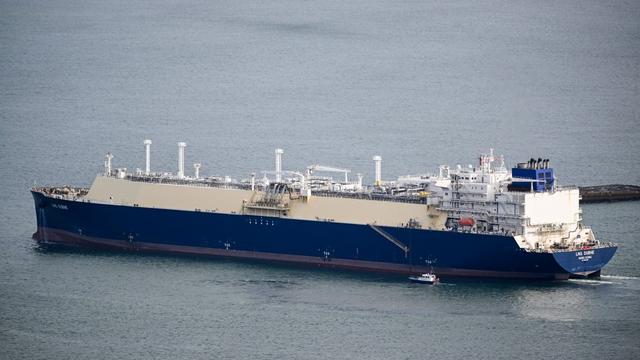
The Great Rebalancing: How Europe Chose Dependence Over Resilience
From Moscow to Washington: Brussels’ New Energy Dependency
When people claim that the Russian economy is “heading toward catastrophe,” they often mix three different layers: what is actually measured, what can be reasonably forecast, and what is purely rhetorical. Separating these layers helps show where the reality ends and exaggeration begins.
The true part is visible in structural shifts.
Russia’s economy has become militarised, which makes it inherently fragile. Recent GDP growth is fuelled by state spending, resource mobilisation, and massive injections into the defence sector. This is not sustainable development but a classic wartime overheating that hides technological stagnation, declining productivity, and acute labour shortages. Private investment is falling, high-tech import substitution is stalling, and raw-material dependence has not disappeared. This does not mean a collapse tomorrow, but the structure increasingly resembles the late Soviet economy.
The exaggeration lies in predictions of an “immediate crash.”
Large economies rarely collapse overnight. Sanctions cut supply lines, yet parallel imports, rerouting trade flows to Asia, and heavy state intervention keep the system functioning. The ruble, industry, and banking sector are under tight manual control, but they are not in free fall. This is not Venezuela; it is a slow deformation rather than an instant catastrophe.
Misleading forecasts come from misunderstanding what a mobilisation economy is.
Such a system can run for a long time by burning through resources. It stagnates technologically yet stays afloat through state spending, coercion, and forced redistribution. Analysts expecting “market-style” reactions — currency collapse, mass bankruptcies, stock market implosions — are mistaken because the market is largely switched off. Russia operates more like a command-resource apparatus than a market economy.
Put together honestly, the picture is this:
Russia is not plunging into an abyss tomorrow, but it is not moving toward stability either. It is locked into a wartime mode where growth is commanded rather than created through innovation. This is a path of exhaustion. The relevant question is not “collapse or not,” but “how long can a system endure while consuming itself.”
**Hashtags:**
#RussiaEconomy #Geopolitics #Sanctions #MobilisationEconomy #MilitaryEconomy #EconomicForecast #PoliticalEconomy #EnergyDependence #RussiaCrisis #MacroAnalysis
"Over the past few years, Mexico has clashed repeatedly with the US over a litany of issues, from USAID and NED’s funding of domestic political opposition groups to Washington’s attempts to prevent Mexico from banning GMO corn for human consumption; to Mexico’s refusal to support project Ukraine or US-EU sanctions against Russia despite concerted pressure; to presidential candidate Donald Trump’s threats to send kill teams to Mexico to take out the country’s drug kingpins — a threat that should not be taken lightly given US-Mexican history.
This list is certain to grow over the coming months, as the US seeks to impose its will on its southern neighbour, locking it into an increasingly stifling and abusive relationship. But as things currently stand, there is not much that Mexico will be able to do about it.
Given the scale of its economic dependence on the US, which is largely the intended consequence of NAFTA and US-friendly economic policies pursued by generations of Mexican leaders, some on the CIA’s payroll; its geographic location — “so far from God, so close to the United States”, as Mexican dictator Porfirio Díaz is alleged to have once said; and the very real risk of retaliation from the US, the Sheinbaum government is unlikely to take up Moscow’s offer of energy assistance. For the same reasons, it is unlikely to accept any of the invitations to join the BRICS-plus association or China’s Belt and Road Initiative.
As Russian Embassy spokesman Andrei Zemskiy recently acknowledged, the USMCA makes it much more difficult for Mexico to join the BRICS — a goal that Russia is openly pursuing.
(...)
Mexico’s economy is simply too integrated with the US and Canada’s for it to be able to join the BRICS."
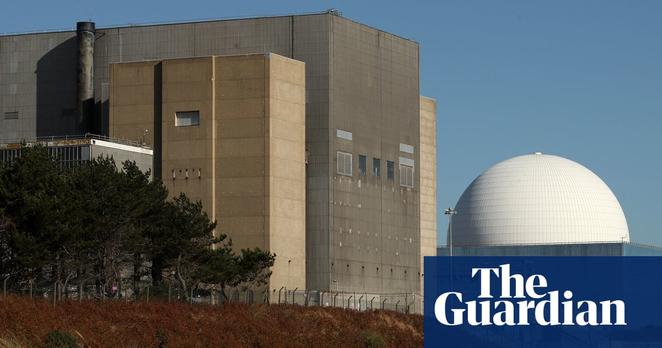
U.S. Blocks $2B from Russia to Turkey as Loan for Nuclear Power Plant
#JPMorgan #RussiaSanctions #Turkey #AkkuyuNPP #Rosatom #Gazprombank #USSanctions #Geopolitics #NuclearEnergy #BidenAdministration #FinancialFreeze #WallStreetJournal #EnergySecurity #NATO #TurkeyRussiaRelations #SanctionsEvasion #MoneyLaundering #BankFraud #EnergyPolicy #USTurkeyRelations #GlobalFinance #NuclearPowerPlant #StrategicAlliances #EnergyDependence #UkraineConflict
U.S. Blocks $2B from Russia to Turkey as Loan for Nuclear Power Plant
#JPMorgan #RussiaSanctions #Turkey #AkkuyuNPP #Rosatom #Gazprombank #USSanctions #Geopolitics #NuclearEnergy #BidenAdministration #FinancialFreeze #WallStreetJournal #EnergySecurity #NATO #TurkeyRussiaRelations #SanctionsEvasion #MoneyLaundering #BankFraud #EnergyPolicy #USTurkeyRelations #GlobalFinance #NuclearPowerPlant #StrategicAlliances #EnergyDependence #UkraineConflict