When Heaven Answers Evil with Justice and Joy

Thru the Bible in a Year

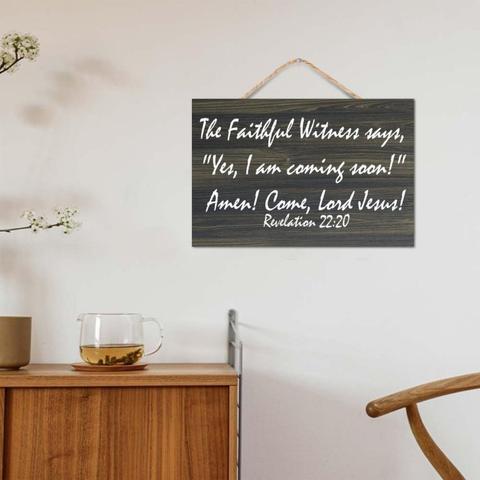
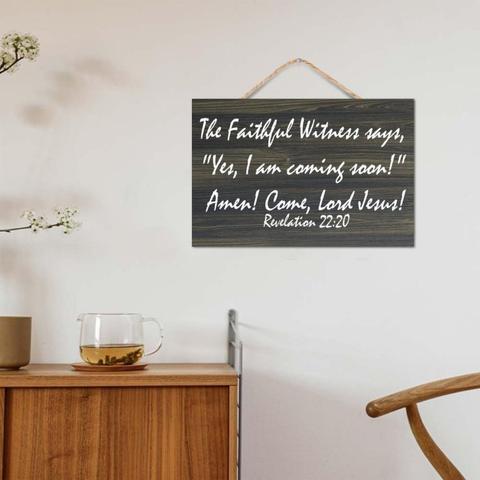
As we move through Revelation 17–19, the tone of Scripture sharpens and the imagery intensifies. Judgment once again dominates the landscape, not as a random outburst of divine anger, but as the deliberate and righteous response of God to sustained rebellion, corruption, and violence against His people. Reading these chapters devotionally requires both humility and patience. Revelation was never meant to satisfy curiosity about timelines as much as it was intended to steady the faith of suffering believers. John writes to churches under pressure, reminding them that history is neither out of control nor morally neutral. God sees. God remembers. God acts.

Revelation 17 introduces us to the harlot—an image representing a corrupt, seductive system that allies itself with beastly power. Her splendor is deceptive. She is clothed in beauty, intoxicated with power, and yet marked by an abominable name upon her forehead. She is drunk not with wine but “with the blood of the saints, the blood of the martyrs of Jesus” (Revelation 17:6, italics). This is not merely political evil; it is spiritual hostility toward God and His people. What strikes me is the irony that her allies eventually become her executioners. The very nations and powers she rides turn on her and devour her. John makes it clear that behind even this internal collapse stands the sovereign will of God: “For God has put it into their hearts to carry out his purpose” (Revelation 17:17, italics). Evil often imagines itself autonomous, but Revelation insists it is ultimately self-defeating.

Chapter 18 shifts from symbolism to lament. Babylon—the embodiment of human arrogance, economic exploitation, and spiritual corruption—falls under divine judgment. The text emphasizes both the cause and the cost of her downfall. Her sins are described as having “piled up to heaven,” echoing the biblical theme that injustice accumulates until it demands reckoning. The cruelty inflicted on the saints is not forgotten. At the same time, God issues a merciful warning: “Come out of her, my people, so that you do not share in her sins” (Revelation 18:4, italics). Judgment always carries a call to separation. Faithfulness sometimes means disentangling ourselves from systems that normalize compromise. The grief of the kings and merchants is telling—they mourn not her wickedness but the loss of their prosperity. Revelation exposes how easily economic comfort can blind moral vision.

Then, quite suddenly, the mood changes. Revelation 19 opens with rejoicing in heaven. What feels unsettling on earth is celebrated in glory. The great Hallelujah erupts—not because God delights in destruction, but because justice has finally been done. The Greek word ἁλληλουϊά (halleluia) is a summons to praise rooted in God’s righteous acts. This passage famously inspired the “Hallelujah Chorus” in Messiah, a musical testimony to the joy of heaven when evil no longer has the final word. As commentator G. K. Beale notes, “Heaven rejoices not over suffering itself, but over the vindication of God’s holiness and the deliverance of His people.” Judgment here is not vindictive; it is restorative.

The imagery then turns tender and hopeful with the marriage supper of the Lamb. The Lamb—once slain, now victorious—is united with His bride, the Church. This is covenant language, fulfillment language. All the suffering, endurance, and waiting lead to communion. “Blessed are those who are invited to the marriage supper of the Lamb” (Revelation 19:9, italics). The Greek μακάριοι (makarioi) reminds us that true blessing is not circumstantial but relational—being welcomed into eternal fellowship with Christ. In the midst of judgment, God is preparing a table.

The final scene in Revelation 19 is sobering. Christ appears not as the suffering servant but as the conquering King, Faithful and True. The armies of heaven follow Him, and evil meets its end. The beasts are judged, their followers defeated, and the grotesque imagery of the birds’ feast underscores the totality of God’s victory. This is the final word on rebellion. Evil does not get recycled endlessly; it is brought to account. As unsettling as this passage may feel, it reassures believers that injustice is not permanent and that allegiance matters.

Walking through these chapters invites self-examination. Where do we place our trust? What systems shape our loyalties? Revelation does not ask us to fear the future, but to live faithfully in the present. Judgment is not written to terrify the Church, but to free her from despair. God reigns. Christ triumphs. And those who remain faithful are not forgotten.

For further study on how Revelation encourages perseverance and hope, see this article from Christianity Today:
https://www.christianitytoday.com/ct/2019/october-web-only/book-of-revelation-hope.html

FEEL FREE TO COMMENT, SUBSCRIBE, AND REPOST, SO OTHERS MAY KNOW


#BabylonInRevelation #endTimesHope #judgmentAndJustice #marriageSupperOfTheLamb #Revelation1719
The Throne, the Lamb, and the Hope That Holds

Thru the Bible in a Year

As we move through Revelation 4–7, we step into a portion of Scripture that intentionally lifts our eyes above the turbulence of earthly history and anchors them firmly in heaven. John has already been told to write what he has seen, what is, and what will take place “after these things” (Revelation 1:19). Here, the curtain is drawn back, and the first thing John sees is not chaos, judgment, or human rebellion, but a throne. That order matters. Revelation is often approached as a puzzle to solve or a timeline to decode, but these chapters remind us that the future begins not with events, but with the sovereignty of Christ. Before anything unfolds on earth, heaven is already ordered, worshiping, and secure.

Revelation 4 centers our attention on the One seated on the throne. John struggles to describe what he sees, using imagery drawn from precious stones and covenantal symbols. The rainbow encircling the throne, reminiscent of Genesis 9, quietly testifies that judgment never eclipses God’s faithfulness. Around the throne are twenty-four elders clothed in white, often understood as representing the redeemed people of God, and four living creatures who reflect the fullness of creation—strength like a lion, service like an ox, intelligence like a man, and swiftness like an eagle. Their ceaseless declaration, “Holy, holy, holy, is the Lord God Almighty” (Revelation 4:8), echoes Isaiah’s vision and reminds us that worship is the natural response to God’s holiness. As G. K. Beale notes, this scene establishes that “history is governed not from Rome or Jerusalem, but from heaven.” For daily life, this matters deeply. When our days feel disordered, Revelation 4 assures us that God is not reacting to history; He is reigning over it.

Revelation 5 shifts the focus from the throne to a scroll held in the right hand of God. This scroll represents God’s redemptive plan for the future, written on both sides and sealed completely. John weeps when no one is found worthy to open it. His tears reflect a deeply human fear: What if history has no meaning? What if evil goes unanswered? That fear is met with one of the most moving announcements in Scripture: “Do not weep. See, the Lion of the tribe of Judah has triumphed.” Yet when John looks, he does not see a lion as he expects, but a Lamb who was slain. Power and sacrifice converge here. The Greek imagery communicates that Christ’s authority flows directly from His self-giving obedience. The worship that erupts—from elders, creatures, angels, and ultimately all creation—confirms that redemption is not a secondary theme in heaven; it is the center. In our own walk, this teaches us that faith is sustained not by understanding every detail of the future, but by trusting the worthiness of the Lamb who holds it.

Revelation 6 introduces the opening of the seals, and with it, the sobering realities of judgment. The four horsemen—often associated with deception, war, famine, and death—are not random forces unleashed by chance. They proceed only at the command of the Lamb. This is a crucial theological anchor. Even judgment unfolds under divine authority. The cry of the martyrs beneath the altar in the fifth seal reminds us that God hears the suffering of His people, even when justice seems delayed. The sixth seal’s cosmic disturbance drives humanity to fear not merely disaster, but “the wrath of the Lamb.” This striking phrase reminds us that rejection of grace leaves humanity exposed to judgment. Yet even here, Revelation is not inviting panic, but repentance and reverence. It confronts us with the seriousness of history while still pointing us back to Christ.

Revelation 7 offers a necessary pause—a breath of mercy before judgment resumes. Angels hold back destruction so that God’s servants may be sealed. The sealing of the 144,000 from the tribes of Israel emphasizes God’s covenant faithfulness, while the great multitude from every nation reveals the expansive reach of salvation. These redeemed ones are described as having washed their robes in the blood of the Lamb, a powerful paradox that underscores grace rather than human merit. They serve God, dwell in His presence, and experience complete care—no hunger, no thirst, no tears. As one commentator aptly observed, Revelation 7 answers the question raised in chapter 6: Who can stand? The answer is clear—those redeemed by the Lamb.

Walking through these chapters reminds us that studying Scripture is not merely an intellectual exercise but a formative act of trust. Revelation 4–7 reassures us that history is neither out of control nor empty of purpose. Christ reigns, Christ redeems, and Christ will complete what He has begun. Thank you for continuing this journey through God’s Word. Scripture assures us that God’s Word will not return void, and every day spent listening to it quietly shapes our faith, steadies our hope, and deepens our obedience.

For further reading, you may find encouragement in “How to Read the Book of Revelation” at The Gospel Coalition: https://www.thegospelcoalition.org/

FEEL FREE TO COMMENT, SUBSCRIBE, AND REPOST, SO OTHERS MAY KNOW


#endTimesHope #LambAndThrone #RevelationBibleStudy #sovereigntyOfChrist #thruTheBibleDevotional

Standing Firm at the Edge of Eternity

Thru the Bible in a Year

As we come to 2 Peter, we are reading words written at the edge of a faithful life. This second letter is not theoretical theology offered from a distance; it is pastoral urgency shaped by the knowledge that Peter’s own martyrdom is near. There is a gravity here, but not despair. Peter writes as one who knows he will soon lay down his life, and precisely for that reason, he focuses on what truly endures. The church does not need novelty, he insists; it needs remembrance, rootedness, and resolve. As I walk through this letter with you, I sense Peter’s deep concern that believers finish well, grounded in truth and alert to danger, while living with hope fixed firmly on what God has promised.

In the opening chapter, Peter turns our attention to what he calls the character of the faith. Faith, for Peter, is not merely an inner conviction but a lived allegiance shaped by God’s initiative. He begins by reminding us that this faith is made possible by “the power of God” and sustained by “the promises of God.” Faith is not self-generated optimism; it is a response to divine action. Peter then offers a carefully ordered portrait of spiritual growth, urging believers to add virtue, knowledge, self-control, perseverance, godliness, mutual affection, and love. These are not random virtues but interconnected graces that mature together. The Greek word aretē (ἀρετή), often translated “virtue,” carries the sense of moral excellence or courage, suggesting that Christian growth requires intentional participation, not passive belief. Peter’s pastoral heart shows in what follows: he sees his role as one of care, reminding believers again and again of truths they already know. Repetition, he implies, is not redundancy but protection. As commentator Michael Green observed, “The Christian life is not learning something new but remembering something vital.”

Peter then grounds this faith in confirmation. He does not ask believers to trust vague spiritual impressions. He anchors faith in two witnesses: his own testimony of the Transfiguration and the prophetic witness of Scripture. When Peter recalls seeing Christ’s glory on the holy mountain, he is saying, in effect, “I have seen where this story ends.” And when he points to Scripture, he affirms that the Christian faith rests on solid ground, not private revelation. The Word, inspired by the Holy Spirit, stands as a reliable lamp in a dark world. For readers today, this is a gentle but firm reminder that faith matures when Scripture shapes our imagination more than culture or circumstance.

Chapter two shifts the tone as Peter addresses the contentions of the faith. Here the pastoral voice becomes sharply protective. False teachers, Peter warns, are not merely mistaken; they are destructive. Their doctrine denies core truths about Christ, and their influence leads others toward ruin. What stands out to me is Peter’s insistence that judgment, though sometimes delayed, is certain. He draws on familiar biblical examples—the flood, fallen angels, and Sodom and Gomorrah—to remind readers that God’s justice is neither absent nor arbitrary. Delay does not mean indifference. Peter also exposes the deeds of false teachers: they exploit others financially, reject authority, promise freedom while enslaving their hearers, and return repeatedly to moral corruption. The imagery is intentionally unsettling. Peter wants believers to see that teaching divorced from holiness eventually reveals itself in conduct. As John Stott once wrote, “Error and immorality are frequent companions.” For us, this chapter calls for discernment rooted not in suspicion but in fidelity to God’s Word.

The final chapter lifts our gaze to the consummation of the faith. Peter acknowledges that scoffers will mock the promise of Christ’s return, labeling it outdated or implausible. Their scoffing, Peter says, is marked by insolence and ignorance—insolence toward God’s authority and ignorance of God’s past interventions in history. Peter reminds us that the same word that once brought judgment through water will one day bring renewal through fire. The language is sobering, yet it is not meant to frighten believers into paralysis. Instead, Peter asks a searching question: if this is where history is headed, how then should we live? His answer is clear—holiness and godliness, marked by hope rather than fear. Believers are not called to speculate endlessly about timelines, but to live faithfully in anticipation of God’s promised future. We are to “look forward” to the coming day, not shrink back from it.

As I reflect on 2 Peter as a whole, I am struck by its balance. It calls us to moral seriousness without despair, doctrinal clarity without arrogance, and future hope without escapism. Peter does not urge withdrawal from the world but engagement shaped by truth. He writes not to alarm faithful believers, but to steady them. In a culture still skeptical of divine judgment and impatient with moral formation, Peter’s words feel remarkably current. They invite us to ask whether our faith is growing in depth, whether we are alert to subtle distortions of truth, and whether our hope is anchored beyond the present age.

Thank you for your commitment to walking through Scripture day by day. This kind of steady engagement with God’s Word forms roots that hold when storms come. As Isaiah reminds us, God’s Word does not return void but accomplishes the purpose for which He sends it. May this reading of 2 Peter strengthen your resolve, clarify your hope, and deepen your trust in the God who finishes what He begins.

For further study on the themes of perseverance and false teaching in 2 Peter, you may find this article from Crossway helpful:
https://www.crossway.org/articles/what-2-peter-teaches-us-about-false-teachers/

FEEL FREE TO COMMENT, SUBSCRIBE, AND REPOST, SO OTHERS MAY KNOW


#2PeterStudy #BibleReadingPlan #ChristianPerseverance #endTimesHope #falseTeachers