Standing Firm at the Edge of Eternity

Thru the Bible in a Year

As we come to 2 Peter, we are reading words written at the edge of a faithful life. This second letter is not theoretical theology offered from a distance; it is pastoral urgency shaped by the knowledge that Peter’s own martyrdom is near. There is a gravity here, but not despair. Peter writes as one who knows he will soon lay down his life, and precisely for that reason, he focuses on what truly endures. The church does not need novelty, he insists; it needs remembrance, rootedness, and resolve. As I walk through this letter with you, I sense Peter’s deep concern that believers finish well, grounded in truth and alert to danger, while living with hope fixed firmly on what God has promised.

In the opening chapter, Peter turns our attention to what he calls the character of the faith. Faith, for Peter, is not merely an inner conviction but a lived allegiance shaped by God’s initiative. He begins by reminding us that this faith is made possible by “the power of God” and sustained by “the promises of God.” Faith is not self-generated optimism; it is a response to divine action. Peter then offers a carefully ordered portrait of spiritual growth, urging believers to add virtue, knowledge, self-control, perseverance, godliness, mutual affection, and love. These are not random virtues but interconnected graces that mature together. The Greek word aretē (ἀρετή), often translated “virtue,” carries the sense of moral excellence or courage, suggesting that Christian growth requires intentional participation, not passive belief. Peter’s pastoral heart shows in what follows: he sees his role as one of care, reminding believers again and again of truths they already know. Repetition, he implies, is not redundancy but protection. As commentator Michael Green observed, “The Christian life is not learning something new but remembering something vital.”

Peter then grounds this faith in confirmation. He does not ask believers to trust vague spiritual impressions. He anchors faith in two witnesses: his own testimony of the Transfiguration and the prophetic witness of Scripture. When Peter recalls seeing Christ’s glory on the holy mountain, he is saying, in effect, “I have seen where this story ends.” And when he points to Scripture, he affirms that the Christian faith rests on solid ground, not private revelation. The Word, inspired by the Holy Spirit, stands as a reliable lamp in a dark world. For readers today, this is a gentle but firm reminder that faith matures when Scripture shapes our imagination more than culture or circumstance.

Chapter two shifts the tone as Peter addresses the contentions of the faith. Here the pastoral voice becomes sharply protective. False teachers, Peter warns, are not merely mistaken; they are destructive. Their doctrine denies core truths about Christ, and their influence leads others toward ruin. What stands out to me is Peter’s insistence that judgment, though sometimes delayed, is certain. He draws on familiar biblical examples—the flood, fallen angels, and Sodom and Gomorrah—to remind readers that God’s justice is neither absent nor arbitrary. Delay does not mean indifference. Peter also exposes the deeds of false teachers: they exploit others financially, reject authority, promise freedom while enslaving their hearers, and return repeatedly to moral corruption. The imagery is intentionally unsettling. Peter wants believers to see that teaching divorced from holiness eventually reveals itself in conduct. As John Stott once wrote, “Error and immorality are frequent companions.” For us, this chapter calls for discernment rooted not in suspicion but in fidelity to God’s Word.

The final chapter lifts our gaze to the consummation of the faith. Peter acknowledges that scoffers will mock the promise of Christ’s return, labeling it outdated or implausible. Their scoffing, Peter says, is marked by insolence and ignorance—insolence toward God’s authority and ignorance of God’s past interventions in history. Peter reminds us that the same word that once brought judgment through water will one day bring renewal through fire. The language is sobering, yet it is not meant to frighten believers into paralysis. Instead, Peter asks a searching question: if this is where history is headed, how then should we live? His answer is clear—holiness and godliness, marked by hope rather than fear. Believers are not called to speculate endlessly about timelines, but to live faithfully in anticipation of God’s promised future. We are to “look forward” to the coming day, not shrink back from it.

As I reflect on 2 Peter as a whole, I am struck by its balance. It calls us to moral seriousness without despair, doctrinal clarity without arrogance, and future hope without escapism. Peter does not urge withdrawal from the world but engagement shaped by truth. He writes not to alarm faithful believers, but to steady them. In a culture still skeptical of divine judgment and impatient with moral formation, Peter’s words feel remarkably current. They invite us to ask whether our faith is growing in depth, whether we are alert to subtle distortions of truth, and whether our hope is anchored beyond the present age.

Thank you for your commitment to walking through Scripture day by day. This kind of steady engagement with God’s Word forms roots that hold when storms come. As Isaiah reminds us, God’s Word does not return void but accomplishes the purpose for which He sends it. May this reading of 2 Peter strengthen your resolve, clarify your hope, and deepen your trust in the God who finishes what He begins.

For further study on the themes of perseverance and false teaching in 2 Peter, you may find this article from Crossway helpful:
https://www.crossway.org/articles/what-2-peter-teaches-us-about-false-teachers/

FEEL FREE TO COMMENT, SUBSCRIBE, AND REPOST, SO OTHERS MAY KNOW


#2PeterStudy #BibleReadingPlan #ChristianPerseverance #endTimesHope #falseTeachers

Finishing Well

Paul’s Heart for a Growing Church

Thru the Bible in a Year

As we step into today’s reading—2 Corinthians 9–13—we complete Paul’s second letter to the Corinthians. What strikes me each time I read these chapters is how personal they are. Paul is not writing abstract theology here; he is writing as a spiritual father who loves deeply, hurts deeply, and hopes deeply. He is guiding a church that is still learning how to mature in Christ. And he invites us, centuries later, to listen in and grow with them.

These chapters reveal Paul’s pastoral heart. They show us his longing for the Corinthian believers to live generously, discern truth wisely, and examine their own hearts faithfully. They also remind us that ministry—real ministry—involves both joy and strain, encouragement and correction. As we finish this epistle, we find ourselves invited into the same posture Paul desired for Corinth: a posture of spiritual integrity, humble dependence on God, and sincere love for the people of God.

Let us walk through these chapters together and see what the Lord may speak to us today.


2 Corinthians 9 — A Call to Cheerful and Christlike Giving

Paul begins with the subject of the Jerusalem collection, an offering for the impoverished believers in Judea. He highlights that the Corinthians had been eager a year earlier to give, and that their readiness had actually inspired other churches. But eagerness alone was not enough—commitment needed to become action. Their intent now needed confirmation.

Paul also teaches them the character of true giving: it must be liberal and cheerful. This is where he offers one of the most-quoted lines in the New Testament: “God loves a cheerful giver.” For Paul, giving is never coerced. It flows from joy, gratitude, and an awareness that we are stewards, not owners.

He then moves to the cause of giving: to supply the needs of the saints. The early church understood that generosity was not charity—it was fellowship. They cared for one another because they belonged to one another in Christ.

And finally, Paul speaks of the compensation of giving—not in the transactional sense but in the spiritual one. God blesses those who give willingly. The blessing is not always material; often it is the blessing of a heart aligned with God’s heart.

Then Paul ends with contemplation: gratitude for the greatest gift of all, God’s “unspeakable gift”—Christ Himself. When Christ is our reference point, all giving becomes a joyful echo of His generosity.

As I read this chapter, I’m reminded that giving is one of the clearest ways we reflect the character of Christ. Our generosity reveals what holds our hearts.


2 Corinthians 10 — A Gentle Shepherd and a Bold Apostle

In chapter 10, Paul turns to the matter of his upcoming visit. His attitude will be one of humility, not harshness. But humility is not weakness. Paul wants to be meek as Christ was meek, but he will not allow error or rebellion to ruin the church he has labored to build. He reassures them that while he walks “in the flesh,” he does not fight with worldly weapons; instead, he fights with the spiritual power that destroys strongholds and brings every thought captive to Christ.

The Corinthians had accused him of being bold in letters but unimpressive in person. Paul does not deny that his appearance or speech may not match cultural expectations. But his authority does not come from charisma—it comes from Christ. His purpose is not to impress but to edify.

And his aim in coming is to extend the reach of the gospel into regions beyond Corinth. Paul sees their growth as a launching point for larger mission.

When I read this chapter, I see Paul wrestling with the tensions every spiritual leader feels: the desire to be gentle, the need to be firm, the humility of Christ, and the weight of responsibility. His confidence is not in his personality but in the authority God entrusted to him.


2 Corinthians 11 — The Pain of False Teachers and the Path of True Servanthood

Chapter 11 unfolds like a contrast between true and false ministry.

Paul begins by defending his deportment, his conduct. Unlike the false apostles, Paul had served the Corinthians with sincerity and sacrifice. He had not used them, manipulated them, or demanded financial reward.

He then highlights the deceit of false teachers. They masqueraded as apostles of Christ, but their message was hollow and harmful. Paul warns that Satan himself “masquerades as an angel of light,” and his servants often come disguised as something admirable. Discernment, then, is essential in the Christian life.

Then Paul gives an extraordinary list of his difficulties—the hardships he endured for the sake of Christ. Shipwrecks, beatings, stonings, sleepless nights, hunger, thirst, danger from every direction. False teachers would never willingly endure such cost. Their ministries were built on comfort and applause. Paul’s ministry was built on suffering and faithfulness.

This chapter invites us to examine the voices we allow to shape our faith. True servants of Christ bear the marks of sacrifice, humility, and sincerity.


2 Corinthians 12 — True Apostolic Credentials

Some in Corinth questioned Paul’s apostleship, so in chapter 12 he explains his credentials. He speaks of a vision God gave him—an experience so overwhelming he says he does not even know whether he was in the body or out of it. But the vision came with a cost: a physical thorn that kept him dependent on God.

Paul begs for relief, but Christ answers with one of the most comforting statements in Scripture: “My grace is sufficient for you, for My power is made perfect in weakness.” This revelation shapes Paul’s understanding of ministry: weakness is not a liability but a doorway to the power of God.

Paul also reminds them of the recognition due him as an apostle, evidenced by signs, wonders, and mighty deeds done in their midst.

He then offers remonstration—gentle rebuke—for their lack of love toward him. Paul feels the sting of their criticism, yet continues to love them with pastoral patience.

Finally, he offers a reminder of how he conducted himself among them with integrity. He took no advantage of them, even when other apostles received support.

What stands out here is how Paul views weakness: not as something to hide, but as the very arena where God’s glory becomes most visible.


2 Corinthians 13 — Final Words and Final Exhortations

Paul ends this letter with a rich cluster of closing thoughts.

He issues a promise: when he comes again, he will act decisively if rebellion persists. Paul is patient, but he is not passive.

He calls for proving: “Examine yourselves to see whether you are in the faith.” This is not a call to anxiety, but to spiritual honesty. Genuine faith always welcomes self-examination.

He then offers a pastoral prayer—for their restoration, comfort, unity, and peace.

And finally, he gives a warm parting: a benediction that has become one of the most cherished blessings in Scripture—“The grace of the Lord Jesus Christ, the love of God, and the fellowship of the Holy Spirit be with you all.”

It is as if Paul ends by saying, “Everything I have taught you, everything I have urged you toward, everything you need as a church—rest in the grace of Christ, the love of the Father, and the fellowship of the Spirit.”


Walking Forward in Faith

As we close this portion of our year-long journey, today’s reading invites us to reflect on generosity, discernment, endurance, humility, spiritual authority, and personal examination. Paul does not merely teach doctrine—he models discipleship. His life pushes us to consider what our own faith looks like in daily practice: our giving, our relationships, our endurance under pressure, our openness to correction, and our willingness to examine our hearts.

Thank you for your commitment to studying the Word of God. Scripture assures us that God’s Word will not return void. He will complete the work He is cultivating in you.

For deeper study on this passage, you may appreciate this article from Crosswalk:
https://www.crosswalk.com/faith/bible-study/

FEEL FREE TO COMMENT and SUBSCRIBE but IF BLESSED, SHARE WITH FRIENDS


#2Corinthians913 #cheerfulGiving #falseTeachers #PaulSApostleship #spiritualSelfExamination

Beware! False teachers manipulate God's word, leading many astray. 'That doesn't make any sense' because teachings are twisted for personal gain. Discern truth from deception before it spreads. Don't be fooled! #FalseTeachers #BiblicalTruth #Discernment #Faith #Deception

🚨 Beware the Deceptive Wolves! 🐺 Discover the Truth! 🔍

Beware false teachings! Scripture warns of deception. 'Even if an angel preaches another gospel…' Test everything. Know the true Christ—eternal life is knowing Him. Don't resist His call; join the mission! #FalseTeachers #TrueGospel #EternalLife #KnowChrist #ChristianLiving from Christic Academy

https://christicacademy.wordpress.com/2025/08/09/%f0%9f%9a%a8-beware-the-deceptive-wolves-%f0%9f%90%ba-discover-the-truth-%f0%9f%94%8d-2/

🚨 Beware the Deceptive Wolves! 🐺 Discover the Truth! 🔍

Beware false teachings! Scripture warns of deception. ‘Even if an angel preaches another gospel…’ Test everything. Know the true Christ—eternal life is knowing Him. Don’t resist H…

Christic Academy
Should Christians Call out False Teaching?

YouTube

How do you tell a false prophet?

In the beginning was the Word, and the Word was with God, and the Word was God. He was in the beginning with God. All things were made through Him, and without Him nothing was made that was made. In Him was life, and the life was the light of men. And the light shines in the darkness, and the darkness did not comprehend it. John 1.1-5

#falsechrists #falsepreachers #FalseProphets #falseteachers #jesus #Messiah #salvation #SignsOfTheTimes

https://lightforthelastdays.co.uk/articles/deception-in-the-church/how-do-you-tell-a-false-prophet/

How do you tell a false prophet? – Light for the Last Days

There are many whose teaching may sound appealing but who are proclaiming a different gospel—a perversion of the truth. Run from them. #FalseTeachers #Gospel

https://aclayjar.net/?p=27175

Be on your guard against unprincipled men who are proclaiming a different gospel. Don’t let them lead you astray from the truth. #FalseTeachers #WisdomofGod

https://aclayjar.net/?p=26963

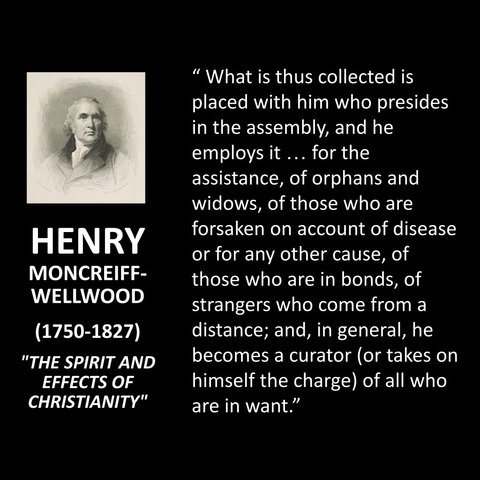
Henry Moncreiff-Wellwood, Church of Scotland leader, considers the effect of Christianity. Its impact on the world felt since its start in offerings for orphans, those forsaken of disease, those in prison, and strangers from a distance.

Do we really want strangers from a distance to expect things from churches today? Should the diseased be seeking out churches as well?

How can you support your local church and all these groups?

#christian #falseteachers #feedthehomeless #gospels #datpostmill

Guard against false teachers and doctrines contrary to God’s inspired word and those that promote a different gospel. #Doctrine #FalseTeachers

https://aclayjar.net/?p=26283

Doctrines of Demons - 1 Timothy 4:1-2

The Spirit clearly says that in later times some will abandon the faith and follow deceiving spirits and things taught by demons. Such teachings come through hypocritical liars, whose consciences have been seared as with a hot iron.1 Timothy 4:1-2 NIVPaul had spent three years teaching in Ephesus and had not been gone for many years when he wrote this letter. But his warning to the Ephesian elders (Acts 20:29-31) had already come true.

A Clay Jar