An all-new addition to the #ESREssentials series dives into the practice recommendations by EuSoMII regarding the promising tool of #radiomics. How can you as a radiologist best utilize this technology? (João Santinha et al.)

#EuropeanRadiology

🔗 https://buff.ly/3UG52E4

ESR Essentials: radiomics—practice recommendations by the European Society of Medical Imaging Informatics - European Radiology

Abstract Radiomics is a method to extract detailed information from diagnostic images that cannot be perceived by the naked eye. Although radiomics research carries great potential to improve clinical decision-making, its inherent methodological complexities make it difficult to comprehend every step of the analysis, often causing reproducibility and generalizability issues that hinder clinical adoption. Critical steps in the radiomics analysis and model development pipeline—such as image, application of image filters, and selection of feature extraction parameters—can greatly affect the values of radiomic features. Moreover, common errors in data partitioning, model comparison, fine-tuning, assessment, and calibration can reduce reproducibility and impede clinical translation. Clinical adoption of radiomics also requires a deep understanding of model explainability and the development of intuitive interpretations of radiomic features. To address these challenges, it is essential for radiomics model developers and clinicians to be well-versed in current best practices. Proper knowledge and application of these practices is crucial for accurate radiomics feature extraction, robust model development, and thorough assessment, ultimately increasing reproducibility, generalizability, and the likelihood of successful clinical translation. In this article, we have provided researchers with our recommendations along with practical examples to facilitate good research practices in radiomics. Key Points Radiomics’ inherent methodological complexity should be understood to ensure rigorous radiomic model development to improve clinical decision-making. Adherence to radiomics-specific checklists and quality assessment tools ensures methodological rigor. Use of standardized radiomics tools and best practices enhances clinical translation of radiomics models.
SpringerLink

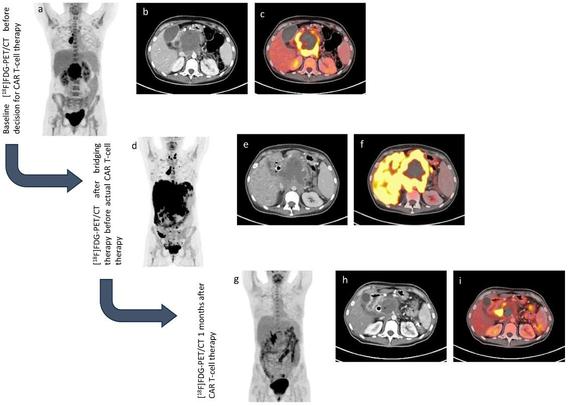
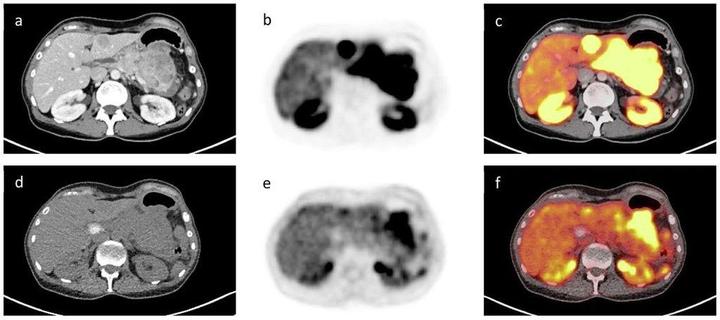
We look to our #ESREssentials series this week for the latest #RadiologyAndBeyond article. Ricarda Ebner et al. explore the role of [18F]FDG-PET/CT in the early diagnosis of cancer and how this can contribute to personalized treatment plans alongside the practice recommendations from the European Society for Hybrid, Molecular and Translational Imaging.

#EuropeanRadiology #RadiologyAndBeyond

🔗 https://buff.ly/3Ug2sEG

ESR Essentials: staging and restaging with FDG-PET/CT in oncology—practice recommendations by the European Society for Hybrid, Molecular and Translational Imaging - European Radiology

Abstract Positron emission tomography (PET) stands as the paramount clinical molecular imaging modality, especially in oncology. Unlike conventional anatomical-morphological imaging methods such as computed tomography (CT) and magnetic resonance imaging (MRI), PET provides detailed visualizations of internal activity at the molecular and cellular levels. 18-fluorine-fluorodeoxyglucose ([18F]FDG)-PET combined with contrast-enhanced CT (ceCT) significantly improves the detection of various cancers. Appropriate patient selection is crucial, and physicians should carefully assess the appropriateness of [18F]FDG-PET/CT based on specific clinical criteria and evidence. Due to its high diagnostic accuracy, [18F]FDG-PET/CT is indispensable for evaluating the extent of disease, staging, and restaging known malignancies, and assessing the response to therapy. PET/CT imaging offers significant advantages in patient management, particularly by identifying occult metastases that might otherwise go undetected. This can help prevent unnecessary surgeries, allowing many patients to be redirected to systemic chemotherapy instead. However, it is important to note that the gold standard for surgical planning remains CT and/or MRI, depending on the body region. These imaging modalities, with or without associated angiography, provide superior contrast and spatial resolution, essential for detailed surgical preparation and planning. [18F]FDG-PET/CT has a central role in the precise and early diagnosis of cancer, contributing significantly to personalized treatment plans. However, it has limitations, including non-tumor-specific uptake and the potential to inaccurately capture the metabolic activity of certain tumor types due to low uptake in some well-differentiated tumor cell lines. Therefore, it should be utilized in clinical scenarios where it offers crucial diagnostic insights not readily available with other imaging modalities. Key Points Use [18F]FDG-PET/CT selectively based on clinical appropriateness criteria and existing evidence to optimize resource utilization and minimize patient exposure. Employ [18F]FDG-PET/CT in treatment planning and monitoring, particularly for assessing chemotherapy or radiotherapy response in FDG-avid lymphoma and solid tumors. When available, [18F]FDG-PET/CT can be integrated with other diagnostic tools, such as MRI, to enhance overall diagnostic accuracy.

SpringerLink

This recently-published #ESREssentials dives into the practice recommendations by ESHIMT regarding the staging and restaging with FDG-PET/CT in #oncology. (Ricarda Ebner et al.)

#EuropeanRadiology

🔗 https://buff.ly/3Ug2sEG

ESR Essentials: staging and restaging with FDG-PET/CT in oncology—practice recommendations by the European Society for Hybrid, Molecular and Translational Imaging - European Radiology

Abstract Positron emission tomography (PET) stands as the paramount clinical molecular imaging modality, especially in oncology. Unlike conventional anatomical-morphological imaging methods such as computed tomography (CT) and magnetic resonance imaging (MRI), PET provides detailed visualizations of internal activity at the molecular and cellular levels. 18-fluorine-fluorodeoxyglucose ([18F]FDG)-PET combined with contrast-enhanced CT (ceCT) significantly improves the detection of various cancers. Appropriate patient selection is crucial, and physicians should carefully assess the appropriateness of [18F]FDG-PET/CT based on specific clinical criteria and evidence. Due to its high diagnostic accuracy, [18F]FDG-PET/CT is indispensable for evaluating the extent of disease, staging, and restaging known malignancies, and assessing the response to therapy. PET/CT imaging offers significant advantages in patient management, particularly by identifying occult metastases that might otherwise go undetected. This can help prevent unnecessary surgeries, allowing many patients to be redirected to systemic chemotherapy instead. However, it is important to note that the gold standard for surgical planning remains CT and/or MRI, depending on the body region. These imaging modalities, with or without associated angiography, provide superior contrast and spatial resolution, essential for detailed surgical preparation and planning. [18F]FDG-PET/CT has a central role in the precise and early diagnosis of cancer, contributing significantly to personalized treatment plans. However, it has limitations, including non-tumor-specific uptake and the potential to inaccurately capture the metabolic activity of certain tumor types due to low uptake in some well-differentiated tumor cell lines. Therefore, it should be utilized in clinical scenarios where it offers crucial diagnostic insights not readily available with other imaging modalities. Key Points Use [18F]FDG-PET/CT selectively based on clinical appropriateness criteria and existing evidence to optimize resource utilization and minimize patient exposure. Employ [18F]FDG-PET/CT in treatment planning and monitoring, particularly for assessing chemotherapy or radiotherapy response in FDG-avid lymphoma and solid tumors. When available, [18F]FDG-PET/CT can be integrated with other diagnostic tools, such as MRI, to enhance overall diagnostic accuracy.

SpringerLink

The latest in our #ESREssentials series delves into the role of #HybridImaging with PET/CT in patients with neuroendocrine tumours (NETs). Ricarda Ebner et al. look at the potential applications and useful combinations of PET/CT with other imaging modalities.

#EuropeanRadiology

🔗 https://buff.ly/3A1nP5D

ESR Essentials: role of PET/CT in neuroendocrine tumors—practice recommendations by the European Society for Hybrid, Molecular and Translational Imaging - European Radiology

Abstract Neuroendocrine neoplasms (NEN) originate from the secretory cells of the neuroendocrine system, with the majority arising in the gastrointestinal tract and pancreas. Given the heterogeneity in the biological behavior and morphological differentiation of these tumors, advanced imaging techniques are crucial for supporting the suspected diagnosis, accurate staging, and monitoring therapy. As most well-differentiated NEN demonstrate overexpression of somatostatin receptors (SSR) on the cell surface, SSR-directed PET/CT is considered the reference standard for imaging of this particular entity. SSR-PET/CT should be the imaging method of choice in every NEN G1 or G2 and considered for re-staging after both potentially curative and non-curative surgeries. The extent of SSR expression is also crucial for determining a patient’s eligibility for peptide receptor radionuclide therapy (PRRT). PRRT utilizes [177Lu]Lu-DOTA-TATE to target the SSR receptor and can significantly prolong progression-free survival in patients with advanced, progressive neuroendocrine tumor of the gastroenteropancreatic system (GEP-NET). PET/CT is a central component of the multidisciplinary management of NEN. Variable follow-up intervals are recommended, considering that tumors with higher proliferation rates or advanced metastatic disease require more frequent assessments. The combination with other imaging modalities, like MRI, complements SSR-PET/CT, further enhancing overall diagnostic accuracy. Key Points Somatostatin receptor-PET/CT (SSR-PET/CT) is the guideline-recommended reference standard for imaging well-differentiated neuroendocrine tumors (NET). SSR-PET/CT should be the diagnostic imaging of choice for staging and post-therapy re-staging of grade 1 or 2 NET (G1 or G2). Variable follow-up intervals are recommended for NET G1 and G2. Tumors with higher proliferation rates or advanced metastatic disease necessitate more frequent assessments.

SpringerLink

🚨 New #ESRessentials alert 🚨

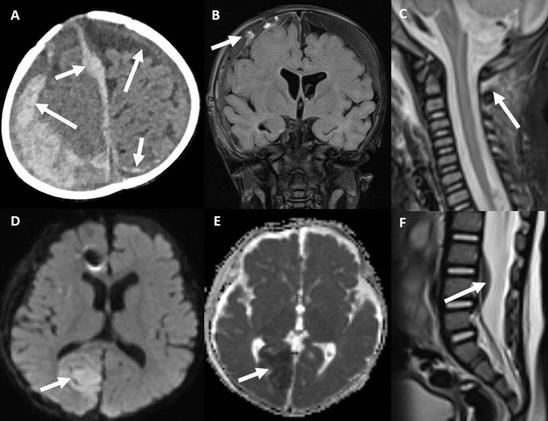
Gabrielle C. Colleran et al., alongside ESPR, constructed this roadmap for imaging evaluation and follow-up related to suspected child abuse. An extremely important area affecting a vulnerable segment of patients.

#EuropeanRadiology

🔗 https://buff.ly/3ZLcMYy

ESR Essentials: imaging of suspected child abuse—practice recommendations by the European Society of Paediatric Radiology - European Radiology

Abstract The goal of this paper is to provide a useful desktop reference for the imaging of suspected child abuse with clear, age-specific pathways for appropriate evidence-based imaging and follow-up. We aim to provide a road map for the imaging evaluation and follow-up of this important and vulnerable cohort of patients presenting with signs and symptoms concerning for inflicted injury. As the imaging recommendations differ for children of different ages, we provide a flowchart of the appropriate imaging pathway for infants, toddlers, and older children, which allows ease of selection of which children should undergo skeletal survey, non-contrast computed tomography (CT) brain with 3-dimensional (D) reformats, and magnetic resonance imaging (MRI) of the brain and whole spine. For ease of review, we include a table of the common intracranial and spinal patterns of injury in abusive head trauma. We summarise search patterns, areas of review, and key findings to include in the report. To exclude skeletal injury, infants and children under 2 years of age should undergo a full skeletal survey in accordance with national guidelines, with a limited follow-up skeletal survey performed 11–14 days later. For children over 2 years of age, the need for skeletal imaging should be decided on a case-by-case basis. All infants should undergo a non-contrast-enhanced CT brain with 3-D reformats. If this is normal with no abnormal neurology, then no further neuroimaging is required. If this is abnormal, then they should proceed to MRI brain and whole spine within 2–5 days. Children older than 1 year of age who have abnormal neurology and/or findings on skeletal survey that are suggestive of inflicted injury should undergo non-contrast CT brain with 3-D reformats and, depending on the findings, may also require MRI of the brain and whole spine. We hope that this will be a helpful contribution to the radiology literature, particularly for the general radiologist with low volumes of paediatrics in their practice, supporting them with managing these important cases when they arise in daily practice. Key Points The choice of initial imaging (skeletal survey and/or brain CT) depends on the age of the child in whom abuse is suspected. A follow-up skeletal survey is mandatory 11–14 days after the initial survey. If an MRI of the brain is performed, then an MRI of the whole spine should be performed concurrently.

SpringerLink

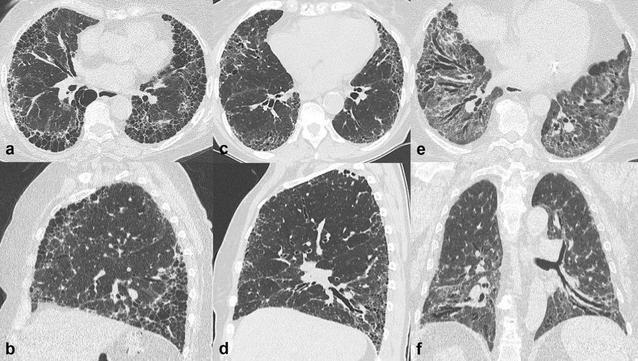
This new #ESRessentials study provides recommendations for radiologists, highlighting essential imaging criteria for the diagnosis and treatment of fibrotic lung diseases (FLDs), with a particular focus on CT technical requirements, pattern recognition, and disease progression. (Anna Rita Larici et al.)

#EuropeanRadiology

🔗 https://buff.ly/3N672RC

ESR Essentials: imaging in fibrotic lung diseases—practice recommendations by the European Society of Thoracic Imaging - European Radiology

Abstract Fibrotic lung diseases (FLDs) represent a subgroup of interstitial lung diseases (ILDs), which can progress over time and carry a poor prognosis. Imaging has increased diagnostic discrimination in the evaluation of FLDs. International guidelines have stated the role of radiologists in the diagnosis and management of FLDs, in the context of the interdisciplinary discussion. Chest computed tomography (CT) with high-resolution technique is recommended to correctly recognise signs, patterns, and distribution of individual FLDs. Radiologists may be the first to recognise the presence of previously unknown interstitial lung abnormalities (ILAs) in various settings. A systematic approach to CT images may lead to a non-invasive diagnosis of FLDs. Careful comparison of serial CT exams is crucial in determining either disease progression or supervening complications. This ‘Essentials’ aims to provide radiologists a concise and practical approach to FLDs, focusing on CT technical requirements, pattern recognition, and assessment of disease progression and complications. Hot topics such as ILAs and progressive pulmonary fibrosis (PPF) are also discussed. Key Points Chest CT with high-resolution technique is the recommended imaging modality to diagnose pulmonary fibrosis. CT pattern recognition is central for an accurate diagnosis of fibrotic lung diseases (FLDs) by interdisciplinary discussion. Radiologists are to evaluate disease behaviour by accurately comparing serial CT scans.

SpringerLink

The latest addition to the #ESRessentials series dives into the importance of the implementation of MR safety procedures when handling vulnerable patients. (Francesco Santini et al.)

#EuropeanRadiology

🔗 https://buff.ly/4ejpum0

ESR Essentials: advanced MR safety in vulnerable patients—practice recommendations by the European Society for Magnetic Resonance in Medicine and Biology - European Radiology

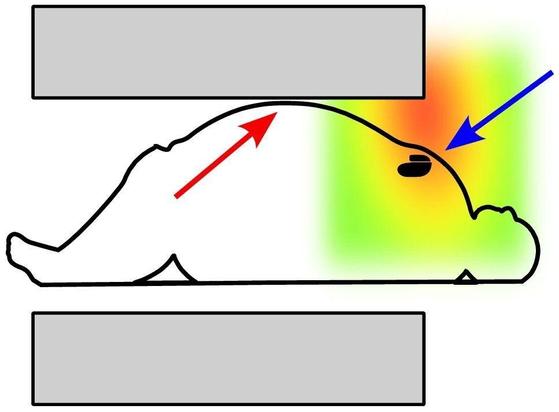
Abstract For every patient, the MR safety evaluation should include the assessment of risks in three key areas, each corresponding to a specific hazard posed by the electromagnetic fields generated by the MR scanner: ferromagnetic attraction and displacement by the static field; stimulation, acoustic noise, and device interaction by the gradient fields; and bulk and focal heating by the radiofrequency field. MR safety guidelines and procedures are typically designed around the “average” patient: adult, responsive, and of typical habitus. For this type of patient, we can safely expect that a detailed history can identify metallic objects inside and outside the body, verbal contact during the scan can detect signs of discomfort from heating or acoustic noise, and safety calculations performed by the scanner can prevent hyperthermia. However, for some less common patient categories, these assumptions do not hold. For instance, patients with larger habitus, febrile patients, or pregnant people are more subject to bulk heating and require more conservative MR protocols, while at the same time presenting challenges during positioning and preparation. Other vulnerable categories are infants, children, and patients unable to communicate, who might require screening for ferromagnetic objects with other imaging modalities or dedicated equipment. This paper will provide guidance to implement appropriate safety margins in the workflow and scanning protocols in various vulnerable patient categories that are sometimes overlooked in basic MR safety guidance documents. Clinical relevance statement Special care in the implementation of MR safety procedures is of paramount importance in the handling of patients. While most institutions have streamlined operations in place, some vulnerable patient categories require specific considerations to obtain images of optimal quality while minimizing the risks derived by exposure to the MR environment. Key Points Patients unable to effectively communicate need to be carefully screened for foreign objects. Core temperature management is important in specific patient categories. There are no hard quantitative criteria that make a patient fall into a specific vulnerable category. Protocols and procedures need to be adaptable.

SpringerLink

The latest in our #ESRessentials series delves into the practice recommendations on arterial vascular access and closure devices (VCDs) by CIRSE to enhance safety, efficacy, and patient experience regarding vascular procedures. (Stavros Spiliopoulos et al.)

#EuropeanRadiology

🔗 https://buff.ly/4d7VKHi

ESR Essentials: arterial vascular access and closure devices—practice recommendations by the Cardiovascular and Interventional Radiological Society of Europe - European Radiology

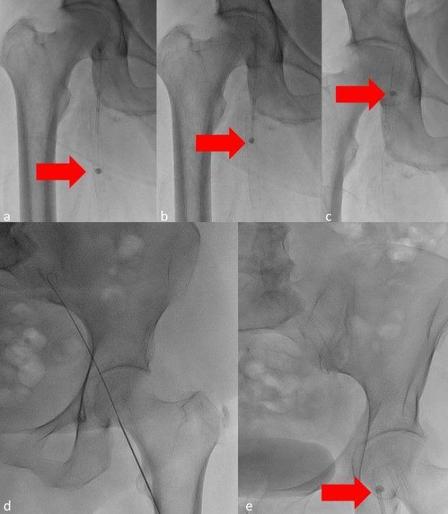
Abstract Vascular access is the initial, very important, step of endovascular procedures. Various access sites include the common femoral artery, brachial artery, radial artery, popliteal artery, and distal tibial vessels (pedal arteries). Successful arterial access requires advanced knowledge of anatomy, as well as proper training and experience. Today, vascular access should be obtained using real-time, ultrasound guidance to reduce access time, patient discomfort, and puncture-related complications including dissection, arteriovenous communication, and bleeding. Nevertheless, high-level evidence to support this recommendation in peripheral procedures is limited and level A data are mainly derived from randomized cardiac trials investigating only radial and femoral access. Vascular closure devices (VCDs) for femoral access can be broadly categorized as active closure devices, compression assist devices, and external/topical hemostasis devices. There is high-level evidence demonstrating that their use is related to less time for ambulation and increased patient satisfaction. However, available data failed to clearly demonstrate a benefit in complications compared to standard manual compression in peripheral endovascular arterial procedures, and thrombotic and infectious complications reported following VCD use remain an issue. Heterogeneity noted in the literature, caused by the vast variety of devices, access sites, sheath sizes, clinical scenarios, and procedures, poses difficulties in data analysis and future study design. As a result, an individualized VCD use is currently suggested for ≥ 5 Fr femoral artery access not only to reduce time to hemostasis and ambulation and to improve patient comfort, but also to reduce bleeding complications in cases of femoral access with increased bleeding risk, deranged coagulation, and large-bore access, though a high level of evidence to support this later recommendation is limited. Key Points US guidance is strongly recommended for femoral access and is mandatory to obtain more challenging access. The use of VCDs for femoral hemostasis is generally safe, effective, and currently supported by level I evidence. Proper training and correct VCD choice, based on the patient’s individual characteristics, are imperative to optimize outcomes.

SpringerLink

New #ESRessentials study explores these practice recommendations by the European Society of Head and Neck Radiology for imaging approaches and key diagnostic considerations when evaluating pre- and post-surgical middle ear cholesteatoma. (Philip Touska & Steve E. J. Connor)

#EuropeanRadiology

🔗 https://buff.ly/4gq78RT

ESR Essentials: imaging of middle ear cholesteatoma—practice recommendations by the European Society of Head and Neck Radiology - European Radiology

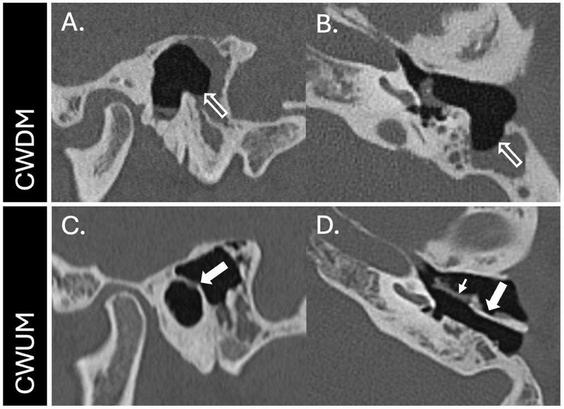
Abstract Although non-malignant, middle ear cholesteatoma can result in significant complications due to local bone erosion and infection. The treatment of cholesteatoma is surgical, but residual disease is common and may be clinically occult, particularly when the canal wall is preserved or reconstructive techniques are employed. Imaging plays a pivotal role in the management of patients with middle ear cholesteatoma—aiding clinical diagnosis, identifying complications, planning surgery, and detecting residual disease at follow-up. Computed tomography is the primary imaging tool in the preoperative setting since it can provide both a surgical roadmap and detect erosive complications of cholesteatoma. The ability of magnetic resonance imaging with non-echoplanar diffusion-weighted sequences to accurately detect residual disease has led to a shift in the diagnostic paradigm for post-surgical follow-up of cholesteatoma, such that routine “second-look” surgery is no longer required. The following practice recommendations are aimed at helping the radiologist choose appropriate imaging approaches and understand the key diagnostic considerations for the evaluation of pre- and post-surgical middle ear cholesteatoma. Key Points In the preoperative setting, CT is the first-line imaging modality and MRI is reserved for rare clinical scenarios (low evidence). Non-echoplanar imaging (EPI) DWI is the optimal MRI sequence for the detection of residual cholesteatoma (moderate evidence). Non-EPI DWI plays an important role in the postoperative surveillance of cholesteatoma (moderate evidence).

SpringerLink

An all new #ESRessentials is here! Giulia A. Zamboni et al. explore the practice recommendations by the European Society of Oncologic Imaging aimed at radiologists to help choose and apply criteria when assessing response to treatment in various oncologic scenarios.

#EuropeanRadiology

🔗 https://buff.ly/47eJAeh

ESR Essentials: response assessment criteria in oncologic imaging—practice recommendations by the European Society of Oncologic Imaging - European Radiology

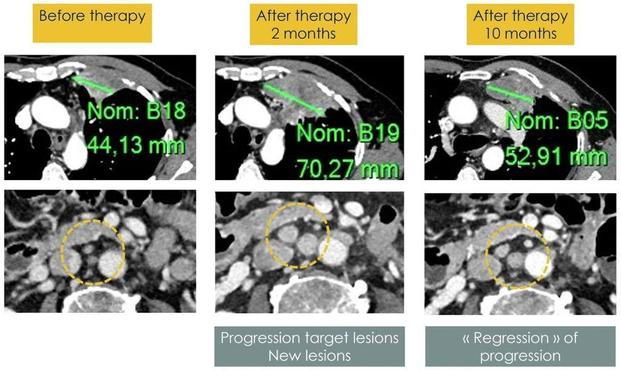
Abstract Assessing the response to oncological treatments is paramount for determining the prognosis and defining the best treatment for each patient. Several biomarkers, including imaging, can be used, but standardization is fundamental for consistency and reliability. Tumor response evaluation criteria have been defined by international groups for application in pharmaceutical clinical trials evaluating new drugs or therapeutic strategies. RECIST 1.1 criteria are exclusively based on unidimensional lesion measurements; changes in tumor size are used as surrogate imaging biomarkers to correlate with patient outcomes. However, increased tumor size does not always reflect tumor progression. The introduction of immunotherapy has led to the development of new criteria (iRECIST, Level of Evidence (LoE) Ib) that consider the possibility that an increase in disease burden is secondary to the immune response instead of progression, with the new concept of Unconfirmed Progressive Disease (a first progression event which must be confirmed on follow-up). Specific criteria were devised for HCC (mRECIST, LoE IV), which measure only enhancing HCC portions to account for changes after local therapy. For GIST treated with imatinib, criteria were developed to account for the possible increase in size reflecting a response rather than a progression by assessing both tumor size and density on CT (Choi, LoE II). This article provides concise and relevant practice recommendations aimed at general radiologists to help choose and apply the most appropriate criteria for assessing response to treatment in different oncologic scenarios. Though these criteria were developed for clinical trials, they may be applied in clinical practice as a guide for day-to-day interpretation. Key Points Response evaluation criteria, designed for use in clinical trials, might serve as a surrogate biomarker for overall survival. RECIST 1.1 defines measurable and non-measurable disease among which target lesions and non-target lesions are selected at baseline as reference for follow-ups. Some therapies and/or cancers require the use of different criteria, such as iRECIST, mRECIST, and Choi criteria.

SpringerLink