⏳ One week left to register!

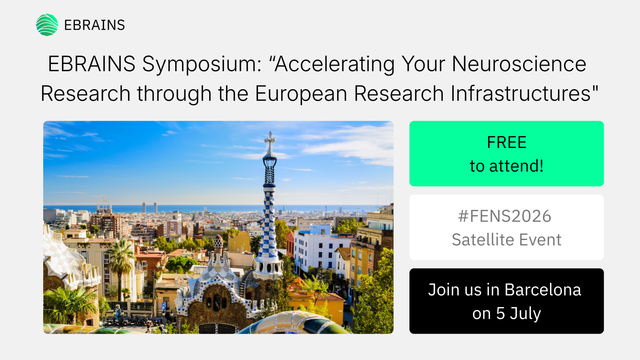
Join us at the #FENS2026 Satellite Event in Barcelona on 5 July and discover how European Research Infrastructures are advancing neuroscience through innovative tools, data, workflows and real-world applications.

Hear from leading experts from across Europe and explore practical resources available through @ebrains and partner infrastructures.

🎟️ Free event, register now:
https://ebrains.eu/news-and-events/events/2026/ebrains-symposium-accelerating-your-neuroscience-research-through-the
#Neuroscience #BrainResearch #EBRAINS #FENS2026

75 researchers from 9 European countries gathered in Stockholm for the FAIR Brain Data Science Bootcamp 2026, exploring brain atlases, electrophysiology, FAIR data sharing, and computational modeling through hands-on training.

https://incf.org/blog/fair-brain-data-science-bootcamp-2026

#INCF #FAIRData #EBRAINS

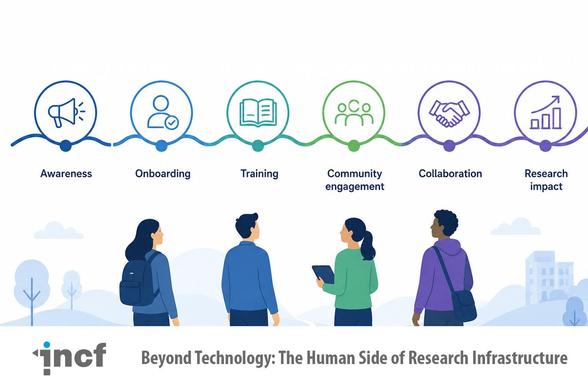
nboarding is more than registration and training. It is a long-term investment in people, support, and community. Insights from an INCF-hosted workshop on building sustainable research infrastructures.

https://www.incf.org/blog/beyond-technology-human-side-research-infrastructure

#OpenScience #ResearchInfrastructure #EBRAINS #INCF

🧠 How can digital brain models support real-world care?

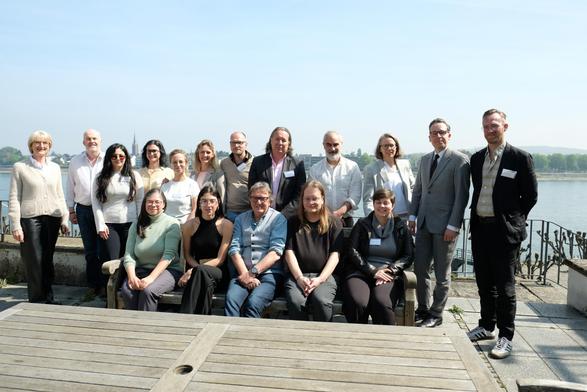
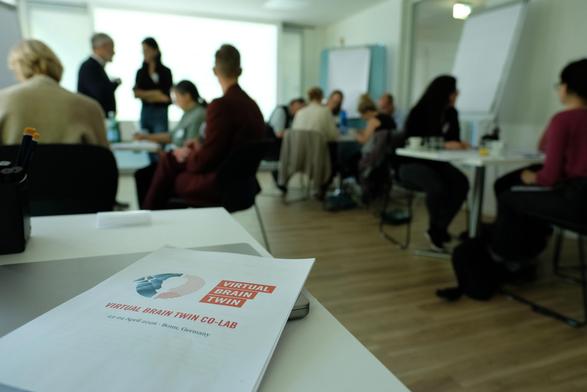
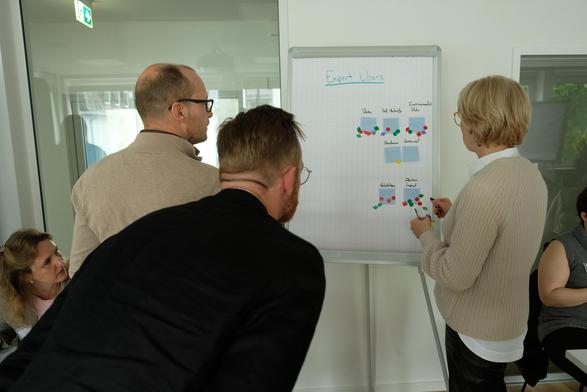
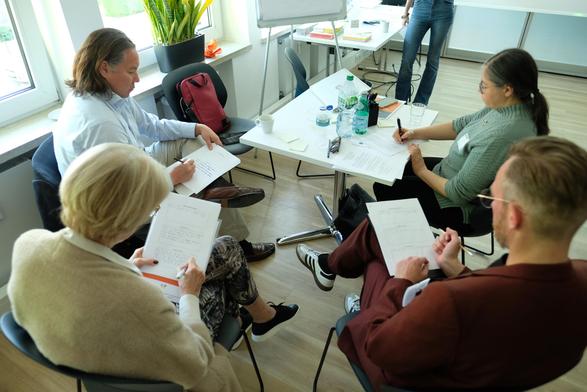
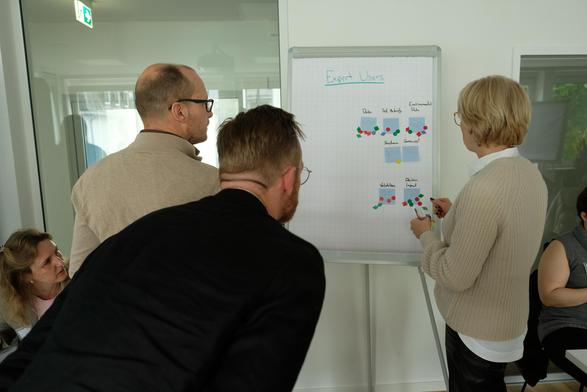
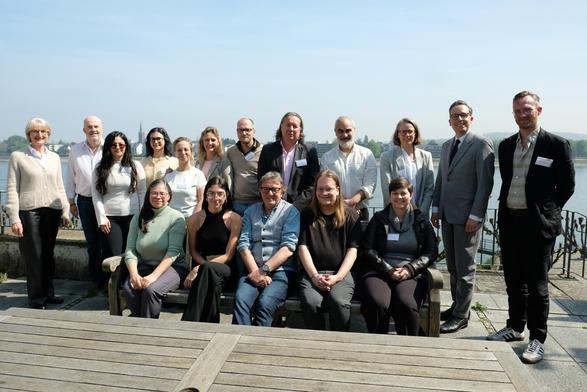
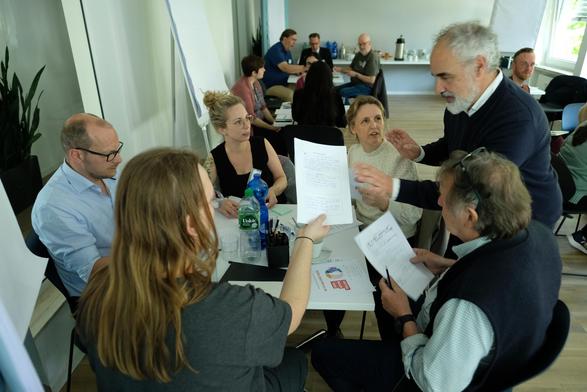
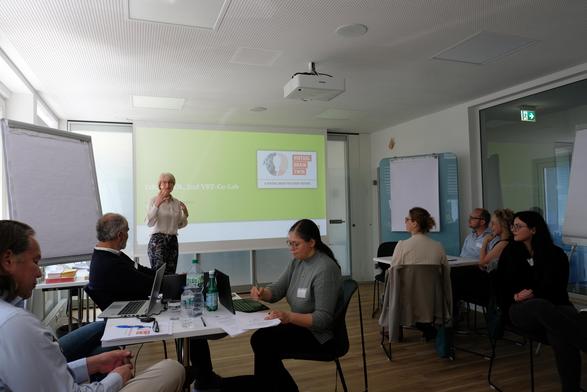
At the Virtual Brain Twin (#VBT) Co-Lab in Bonn, patients, clinicians and researchers explored how personalised brain models could support clinical decision-making in conditions such as #epilepsy and #schizophrenia.

The focus: trustworthy, ethical and human-centred AI tools designed to support - not replace - clinicians.

Read more: https://ebrains.eu/news-and-events/2026/co-creating-the-virtual-brain-twin-advancing-personalised-brain-care

#EBRAINS #Neuroscience #BrainHealth

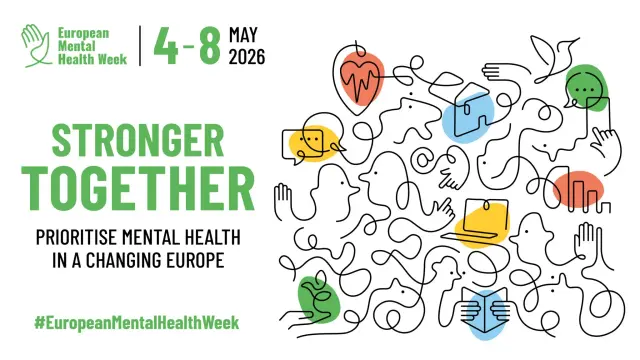
🧠 #EuropeanMentalHealthWeek (4–8 May)

Mental health is shaped by social, economic and technological factors, not just individual ones.

At #EBRAINS, we use neuroscience tools, data integration and brain modelling to support better understanding of brain disorders and more personalised care.

👉 Check the initiative led by Mental Health Europe: https://www.mentalhealtheurope.org/european-mental-health-week-2026/

At the #VirtualBrainTwin Co-Lab in Bonn, patients, clinicians, researchers, and expert users explored how VBT can support real-world care.

A clear takeaway: VBT is a decision-support tool, designed to assist clinicians and ultimately benefit patients.

More information on the project: https://www.virtualbraintwin.eu/

#EBRAINS #VBT #Neuroscience

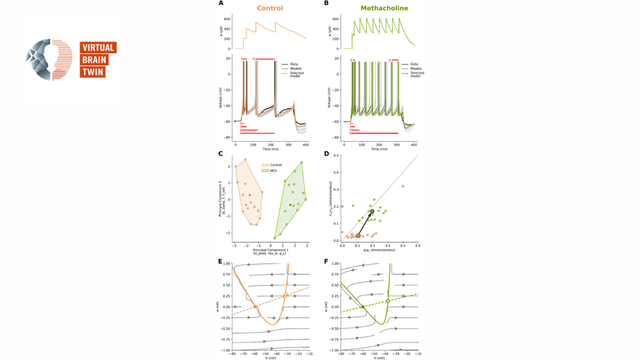
🧠 Neuromodulators like dopamine reshape how neurons behave - but how exactly?

We asked Dr Ilaria Carannante (euroPSI, @Université Paris-Saclay, Institute of Neuroscience). Her new study shows it comes down to just 2 mechanisms: 🔁 switching 📊 scaling.

A unified framework. An open-source pipeline. A step toward more powerful brain models.

Read the full interview: https://ebrains.eu/news-and-events/2026/a-new-modelling-framework-reveals-how-neuromodulators-reshape-brain-activity
#Neuroscience #BrainHealth #EBRAINS

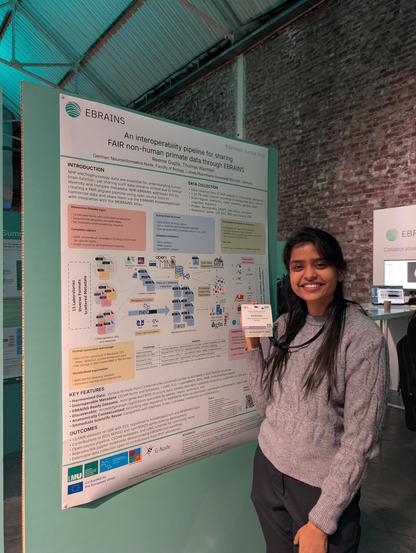
LMU Open Science Center’s FAIR Data Management expert, Reema Gupta, attended the EBRAINS Summit 2025 (@ebrains) with her team to present their NHP-EBRAINS project, an open-source pipeline turning messy multi-lab primate electrophysiology data into something actually FAIR and usable! 🧠

More details on NHP-EBRAINS here: https://gin.g-node.org/NHPRestingState/NHP-EBRAINS/wiki/

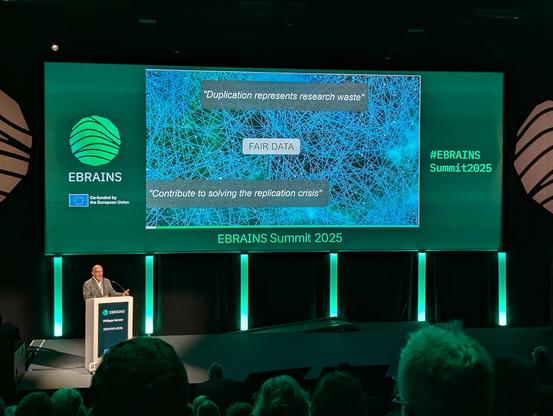
Some highlights from EBRAINS Summit 2025:
- Neurobagel’s (https://neurobagel.org/) approach to metadata hubs - creating an open-source ecosystem for distributed dataset harmonization and search for federated discovery without centralising everything.
- Martin Schrimpf (@mschrimpf) on NeuroAI, an interdisciplinary field merging neuroscience and AI, as well as the work Brain Score (https://www.brain-score.org/) is doing regarding model benchmarking.
- The BRiDGE project (https://bridge.incf.org/brain-research-international-data-governance-exchange) on making data and tools interoperable across international brain initiatives - important for roles at LMU labs that involve collaborating with data on international projects.
- Google Summer of Code (GSoC) (https://gitlab.ebrains.eu/ri/projects-and-initiatives/bids2ebrains/bids2ebrains) project on automating BIDS-to-KnowledgeGraph registration- this project aims to integrate BIDS-compliant neuroimaging datasets from external repositories into the EBRAINS Knowledge Graph.

💡A quick recap on some especially interesting booths at the summit:
The siibra-explorer booth (https://ebrains.eu/data-tools-services/tools/siibra-explorer), BIDS booth (https://bids.neuroimaging.io/index.html), Knowledge and Data services booth (https://ebrains.eu/data-tools-services/data-knowledge), and the Modeling and Simulation booth (https://ebrains.eu/data-tools-services/modelling-simulation).

Reema’s top highlight was finally meeting and having insightful conversations with the people behind the tools she works with every day and uses to build her project!

#EBRAINSSummit2025 #EBRAINS #OpenScience #FAIRData #LMUOSC

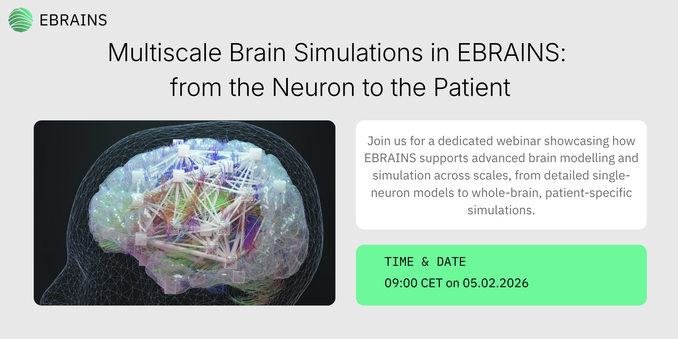
🧠 Webinar | Multiscale Brain Simulation with #EBRAINS

📅 5 Feb 2026 | 9:00–10:00 CET
From single-neuron models to whole-brain simulations.
With Viktor Jirsa & Egidio D’Angelo.

🔗 Register: https://ebrains.eu/news-and-events/events/2026/ebrains-webinar-series-multiscale-brain-simulations-in-ebrains-from-the

Prof. Katrin Amunts hat das EU-Flagship #HumanBrainProject geleitet. 👩‍🔬🧠 Es hat die Grundlage für einen neuen Atlas des Gehirns und personalisierte Gehirnmodelle gelegt, die heute über #EBRAINS verfügbar sind. Mit solchen Hirnmodellen lassen sich medizinische Behandlungen individuell planen. Ein Interview: https://www.fz-juelich.de/de/aktuelles/effzett/2025/vom-gehirnatlas-zum-personalisierten-modell