Umso größer Entwicklungsprojekte sind, umso mehr Abhängigkeiten bestehen. Alle Abhängigkeiten im Überblick zu behalten ist teilweise schon eine Herausforderung, ganz zu schweigen, von der allzu oft durchgeführten wahllosen Einbindung ohne Check der Lizenzen, Vulnerabilities etc. im Vorfeld. Aber wie bekommt man diese Themen alle in den Griff?
Prüfen auf Vulnerabilities
Die meisten Paketmanager etc. bieten mittlerweile entsprechende Features an. Mit dotnet list package --vulnerable erfolgt beispielsweise im .NET-Umfeld eine Auflistung aller vulnerablen Pakete. Mit npm audit kann eine derartige Liste mit NPM herausgefahren werden.
Diesen Varianten ist aber gemein, dass sie den Status zum Aufrufzeitpunkt abbilden. Nicht mehr und nicht weniger. Und möglicherweise möchte man etwas mehr:
- Tracking der Abhängigkeiten über Versionen der eigenen Software hinweg
- Übersicht aller Lizenzen der Abhängigkeiten
- Auflistung und Risikobewertung aller Schwachstellen pro Version der eigenen Software
- Möglichkeit, Schwachstellen zu auditieren und Entscheidungen zu dokumentieren
- Automatische Aktualisierung/Auswertung durch Integration ins Build-System
Dependency Track von OWASP
Das Open Web Application Security Project (kurz OWASP) ist vielen vielleicht ein Begriff, bringt die Foundation doch regelmäßig die Top 10 Web Application Security Risks heraus. Diese sollten in der Webentwicklung auf jeden Fall neben den Secure Coding Practices [PDF] und dem Web Security Testing Guide im Auge behalten werden.
Mit Dependency-Track stellt OWASP ein Tool zur Verfügung, in welches mittels einer CycloneDX-BOM (Bill of Material) Listen von Abhängigkeiten importiert und gegen Vulnerability Datenbanken geprüft werden. Hierfür stehen VulnDB, GitHub Advisories und zahlreiche weitere Quellen zur Verfügung.
Für die Generierung der notwendigen BOM stehen zahlreiche Tools für unterschiedliche Entwicklungsplattformen zur Verfügung. Somit ist eine einfache Einbindung in die Buildumgebung problemlos zu machen.
Die Installation von Dependency-Track gestaltet sich denkbar einfach, da die Auslieferung unter anderem als Docker-Container erfolgt.
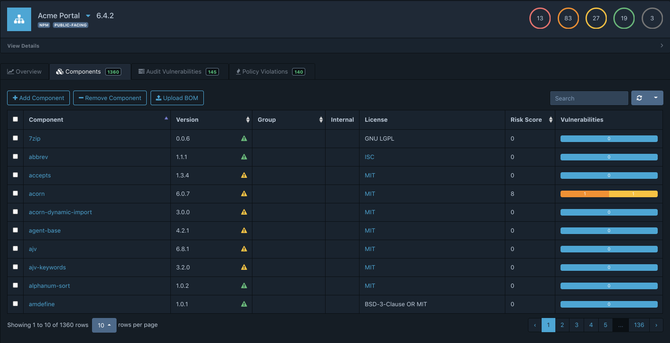
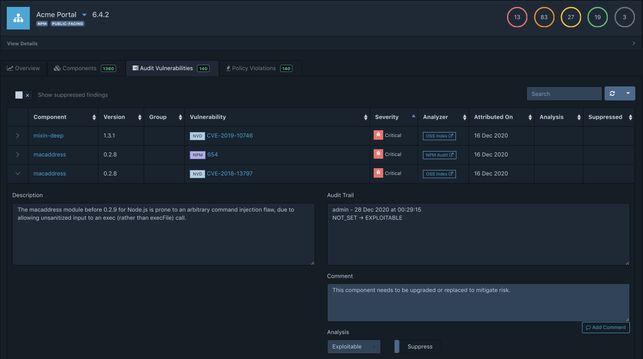
Nachfolgend einige Screenshots des Herstellers.
Dependency-Track: Übersicht der Komponenten
Dependency-Track: Audit der gefundenen Vulnerabilities
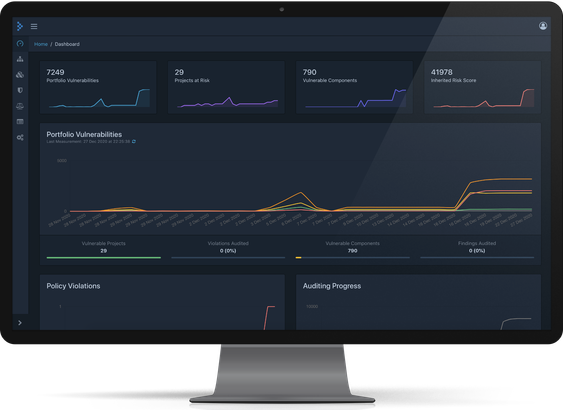
Zudem steht ein übersichtliches Dashboard für einen Überblick über die gesamte Softwareinfrastruktur und einer Bewertung des aktuellen Risikos bereit.
Dependency-Track: Dashboard
Dependency-Track steht auf GitHub zur Verfügung und bereichert die Entwicklungsumgebung kostenlos.
Aktives Abhängigkeiten- und Schwachstellen-Management notwendig
Der bloße Einsatz dieses Tools bringt keine Verbesserung der Situation. Vielmehr muss es einen klaren Verantwortlichen geben, der zum Einen ein Abhängigkeitsmanagement betreibt (Wildwuchs eingrenzen, Überblick, Lizenzen) und zum anderen ein Audit über gefundene Risiken durchführt und deren Behebung (Aktualisierung der Abhängigkeit, Austausch etc.) einleitet.
Umso zentraler dieses Thema im Entwicklungsprozess behandelt wird, umso besser und schneller kann auf Schwachstellen reagiert werden.
#dependencytrack #security #vulnerability
https://norberteder.com/abhaengigkeiten-und-vulnerabilities-im-griff/
 amazee.io


 jpmellojr

 Jason Reed
 Thomas Broyer
 Sam Stepanyan
  🐘
🐘
 Miso Lith
 Norbert Eder