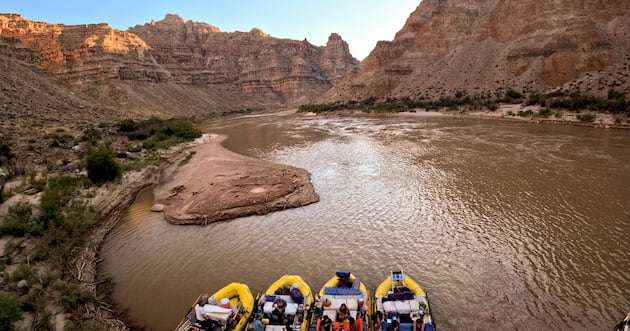
 Paul Wermer, CC BY-NC-SA 4.0
@PeterRu
Yes of course - because it would stifle investment if companies were held accountable for lying about the hazards their products cause and continued to market them as perfectly safe for over 50 years since fairly robust data - including by the industry - identified the primary hazard ( more than 100 years after the basic science suggested the hazard. How can we ever make money if we have to be responsible that our products are safe to use as directed? /s
How big are the damages? Just think about:
Extreme drought - for example, https://www.deseret.com/environment/2026/03/25/explainer-on-colorado-river-negotiations/
Forest fires
Extreme weather & floods
Agricultural losses
In short: Big, very big-see eg https://www.nature.com/articles/s41586-026-10272-6
#ClimateCrisis #CorporateClimateLies #ClimateDamage #ClimateCost