 KillBait News
Study Finds Half of Caribbean Reefs with Highest Coastal Protection Value Remain Unprotected
📰 Original title: Many of the Caribbean's most important reefs are going unprotected
🤖 IA: It's not clickbait ✅
👥 Users: It's not clickbait ✅
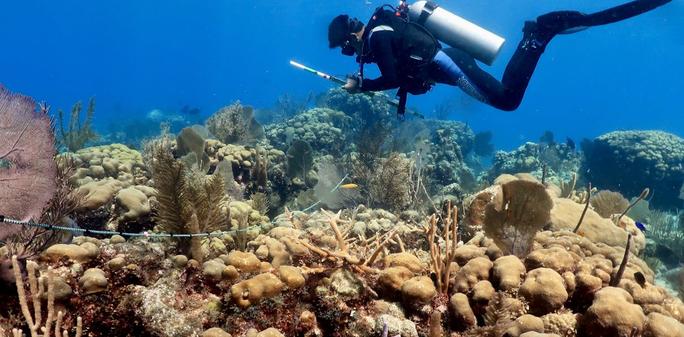
Study Finds Half of Caribbean Reefs with Highest Coastal Protection Value Remain Unprotected
Coral reefs serve as vital natural barriers against hurricanes and storm surges in the Caribbean, reducing wave energy by up to 97% and preventing billions of dollars in annual storm damage globally. A new study highlights the growing threats these ecosystems face from rising ocean temperatures, pollution, and coastal development, which are causing coral loss and weakening their protective structures. Researchers analyzed which reefs are most likely to persist under future warming scenarios and which provide the greatest coastal protection based on the types of coral species present. Reefs built by large, complex corals like elkhorn offer superior wave-breaking capabilities compared to those with smaller or flatter species. The analysis reveals that approximately half of the highest-priority reefs — those combining strong protective function with better resilience to warming — currently lack formal protection from human impacts. This is particularly evident in areas like the Bahamas, Puerto Rico, Turks and Caicos, and Cuba. In contrast, more priority reefs in Mexico's Caribbean coast, western, and southwestern ecoregions benefit from marine protected areas. Healthy reefs support tourism economies worth billions, sustain marine biodiversity, and shield coastal communities and infrastructure. However, intensifying coral bleaching from ocean heat combined with stronger hurricanes creates a compounding risk. The study underscores the need to prioritize protection for functionally critical reefs to maintain their role as coastal defenders amid climate change. Preserving these ecosystems is essential not only for marine life but also for the safety and economic stability of millions living in tropical coastal zones.
 Layar Kosong
 SkiWeather.eu
 Papà Isblagi
 Punta Cana Villa Real Estate
 Holland Hopson
 PancarPOS
 Malang Posco
 Peter Gassner