 KillBait News
Analyst says Bruce Springsteen’s tour demonstrates a model of effective political resistance to Trump
📰 Original title: A rock legend showed us how to fight Trump — and it's working: analyst
🤖 IA: It's clickbait ⚠️
👥 Users: It's clickbait ⚠️
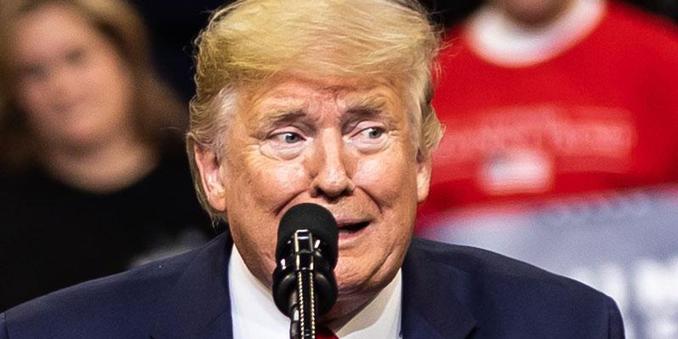
Analyst says Bruce Springsteen’s tour demonstrates a model of effective political resistance to Trump
An opinion analysis highlights how Bruce Springsteen’s current concert tour has been interpreted as a form of political resistance to Donald Trump, according to labor journalist Steven Greenhouse writing in The Guardian. The piece argues that Springsteen has developed a uniquely effective way of engaging audiences on political issues without alienating them, blending music, storytelling, and direct commentary. At a recent show at Barclays Center in Brooklyn, Springsteen framed the performance as a “celebration and defense of American ideals,” while delivering pointed criticism of Trump over a three-hour set. According to the analysis, he referred to Trump as a “reckless, racist, incompetent, treasonous president” and used songs such as “War (What Is It Good For?)” and “Born in the USA” to reinforce anti-war and civic themes. He also addressed concerns about historical revisionism, suggesting that American museums were being pressured to remove references to slavery and other difficult aspects of national history. A central element of the tour is a new song, “The Streets of Minneapolis,” which references federal immigration enforcement actions and honors individuals killed during ICE operations. During performances, Springsteen has reportedly led chants such as “ICE out now!” while projecting images of the individuals mentioned in the song. He has also encouraged audiences to engage in what he describes as peaceful but active civic participation, echoing the philosophy of John Lewis to “get into good trouble.” Greenhouse argues that Springsteen’s long-standing credibility as a voice for working-class Americans, combined with his financial independence as a major touring artist, gives him a rare platform among celebrities who criticize political leaders. The article contrasts this with other public figures who, according to the analysis, face greater institutional constraints. The piece also notes that Trump has responded with personal insults toward Springsteen, while the musician continues to emphasize collective civic action. The overall argument is that Springsteen’s approach blends entertainment with political messaging in a way that resonates with large audiences, potentially serving as a model for other cultural figures seeking to engage in political discourse.
 Global Feed
 AraInfo | Diario Libre d'Aragón [Unofficial]

 Roure valencià 🍉
 Reisender Raumplaner
 InkDesign
 KEXP 🎶 #NowPlaying Bot
 El Punt Avui