@bookstodon
#BooksIn2026 #Bookstodon
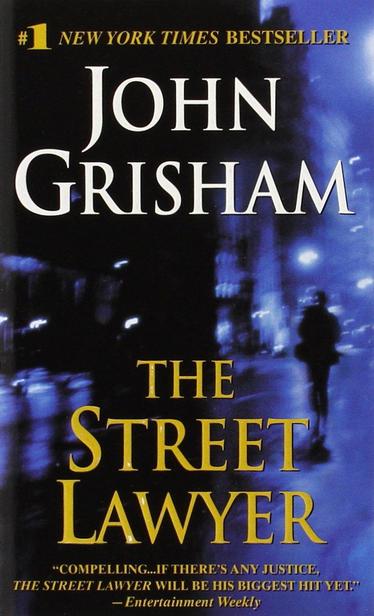
21. The Street Lawyer - John Grisham
Links 🔗
https://jgrisham.com/the-street-lawyer/
https://www.supersummary.com/the-street-lawyer/summary/
https://www.goodreads.com/book/show/5351.The_Street_Lawyer
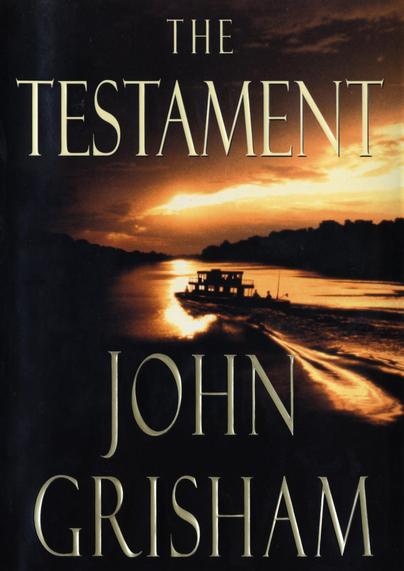
After I finished The Testament, I wanted to read another Grisham novel that I enjoyed while on vacation many years ago, The Street Lawyer. It was a bit shorter than The Testament, and a totally different topic. But, I enjoyed it nevertheless, and it was nice to read it again.
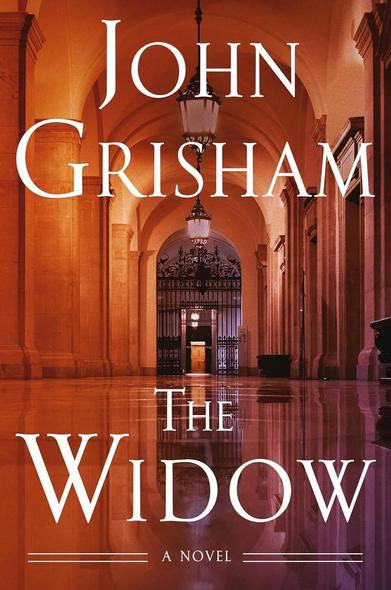
I have now started a new Grisham book that I've not read before: The Widow.
I used the mighty Duck to find info on the book, which I shared three links of at the start of this toot. And I used some AI, so that it would become a more coherent piece all together. So, it's text I found, mixed to one piece with the help of AI...
Synopsis: From Corner Office to the Streets
The Setup
The story centers around Michael Brock, a rising star at Drake & Sweeney, a massive, prestigious, and ruthlessly efficient corporate law firm in Washington, D.C. Michael is living the quintessential fast-track life: he makes a massive salary, works soul-crushing hours, and is on the verge of making partner. However, his personal life is hollow, and his marriage is quietly falling apart.
The Inciting Incident
Everything changes on a snowy Tuesday when a homeless man, armed with a gun and calling himself "Mister," takes Michael and several of his colleagues hostage in their plush conference room. The man isn't looking for a ransom; he is looking for answers. He wants to know about an eviction. The standoff ends tragically, but Michael is left deeply shaken. Rather than returning to his billing targets, he becomes obsessed with finding out who "Mister" really was and why he targeted their specific firm.
The Evolution of the Story
As Michael digs into the incident, he uncovers a dirty, buried secret within his own firm—a highly questionable, lightning-fast eviction that put "Mister" and other vulnerable families out on the freezing streets. Struck by a profound crisis of conscience, Michael makes a drastic decision. He steals a confidential file containing the explosive evidence, quits his lucrative job, and walks away from his wealthy lifestyle.
He takes a massive pay cut to join the 14th Street Legal Clinic, a rundown, underfunded operation dedicated to advocating for the city's homeless population. The narrative evolves from a fast-paced thriller into a gripping David-and-Goliath legal battle. Michael must navigate his new life on the streets, dodge the aggressive legal and criminal threats from his former powerhouse employer (who want their stolen file back), and fight for justice for those who have been cast aside by society.
Character Evolution
Michael Brock: Michael has one of the most drastic character arcs in Grisham's bibliography. He begins as a cynical, exhausted workaholic who views the homeless merely as obstacles on the sidewalk. Through the trauma of the hostage situation and his subsequent investigation, his worldview shatters. His evolution into a "street lawyer" isn't easy; he is constantly battling his own ingrained corporate habits, the shock of his plunging social status, and the sheer emotional weight of his new clients' lives.
Mordecai Green: The director of the legal aid clinic. He is a towering, impassioned, and perpetually exhausted advocate for the poor. While he doesn't change drastically, he serves as Michael's mentor and moral compass, opening Michael's eyes to a world he previously ignored.
DeVon Hardy ("Mister") & Ruby: While "Mister" is the catalyst, characters like Ruby—a young, homeless mother struggling with addiction—humanize the statistics. They evolve from being mere "cases" or "problems" in Michael's eyes to real, tragic human beings whose survival depends on the legal help they can't afford.
Fact vs. Fiction
The Fiction
The specific characters, the Drake & Sweeney law firm, the 14th Street Legal Clinic, and the dramatic hostage situation are entirely fictional. The central legal conspiracy—the specific illegal eviction engineered by the corporate firm—is an invented plot device meant to drive the narrative and give Michael his "smoking gun."
The Facts
Grisham heavily grounds the novel in the harsh realities of the 1990s Washington, D.C. landscape.
The Wealth Gap: The stark contrast between the billion-dollar corporate lobbying firms and the extreme poverty occurring just blocks away on the D.C. streets is highly accurate.
Systemic Homelessness: The book factually represents the bureaucratic nightmares, lack of shelter beds, and the cycle of poverty and addiction that trap people on the streets.
Legal Aid Clinics: Organizations like the one depicted in the book absolutely exist. They are notoriously underfunded, overworked, and rely heavily on the passion of lawyers who take massive pay cuts to do the work.
Tenants' Rights: The legal maneuvering around evictions, squatter's rights, and how easily vulnerable people can be legally steamrolled by wealthy developers is rooted in genuine legal and social issues.
Review: A Thriller with a Conscience
The Street Lawyer is one of John Grisham's most emotionally resonant novels. While it still features his signature legal maneuvering, backroom deals, and tense confrontations, it trades the traditional, glossy courtroom drama for a gritty, boots-on-the-ground exploration of poverty.
Pacing & Tone: The book moves at a great clip. The opening hostage scene is incredibly tense and grabs you immediately. From there, it transitions into a compelling mystery and a character study. The tone is noticeably darker and more reflective than some of his other blockbusters.
What Works: Grisham's strength here is his ability to make you care about the systemic issues without sounding overly preachy. Michael's transformation feels earned because Grisham doesn't make it easy for him—he loses his wife, his wealth, and his safety in the process. The sheer culture shock Michael experiences when dealing with his new clients is written with sharp authenticity.
Final Verdict: It is a highly engaging, thought-provoking read. If you enjoy mysteries where the protagonist is unraveling a conspiracy, combined with a strong moral undertone and high-stakes legal jeopardy, this is an excellent choice. It makes you look at the world a little differently once you close the cover.
Verdict by critics and fans:
Critical and Fan Reception
Overall, the book received a solid, mostly positive reception, though with some mixed elements depending on what readers expected from a Grisham novel.
* The Praise: Both critics and fans highly praised the book's social commentary. Grisham was applauded for shedding light on the plight of the homeless and the bureaucratic nightmares of urban poverty. Readers frequently highlight Michael Brock's character development and the emotional weight of the story as major strong points.
* The Criticism: The main critique from both sides was the pacing. Because the book focuses heavily on Michael's personal moral crisis and ground-level advocacy, some readers found it slower than they anticipated. A few critics also felt that some of the plot elements surrounding the corporate conspiracy felt a bit predictable or unrealistic compared to the very grounded social issues.
Ratings Overview
The book secured very respectable numbers, even if they sit just a fraction of a point below his absolute biggest blockbusters.
* Goodreads: It holds an average rating of around **3.89 out of 5 stars**, drawn from well over 120,000 ratings. The vast majority of readers (nearly 70%) awarded the book either 4 or 5 stars.
* General Consensus: While it might not always make the absolute top of "Best Grisham Books" lists (which are usually dominated by his early 90s releases), it is consistently well-regarded by his core fanbase as a "thought-provoking" and "gripping" read.
Comparisons to Previous Works
Fans and literary critics frequently compared The Street Lawyer to Grisham's earlier megahits, noting both thematic similarities and distinct departures in style:
* Similarities to The Firm: The core setup drew immediate comparisons to *The Firm*. Both books feature a young, ambitious lawyer who discovers deeply buried, dark secrets within their wealthy, prestigious law firm, forcing them to abandon their high-paying careers to do the right thing.
* Thematic Ties to The Rainmaker and A Time to Kill: Critics often group The Street Lawyer with these two novels because they all share a central theme of "giving a voice to the voiceless." It shares the "underdog fighting a giant, corrupt corporation" vibe of The Rainmaker.
* A Departure in Action: The biggest point of comparison for fans was what The Street Lawyer lacked compared to his previous works: heavy courtroom drama. Readers coming straight from the intense legal showdowns of A Time to Kill or The Runaway Jury noted that The Street Lawyer is much less of a legal thriller and much more of a moral journey. It trades the fast-paced suspense of his earlier books for a slower, more character-driven narrative.
#Books #Reading #JohnGrisham
 Cynni's Blog

 🎮 Pixy
 Xavier
 Odyssey