Farewell to Bithynia! – Catullus 46 (with Latin word analysis)
Classical literature of the ancient Graeco-Roman civilisation is known for its mythological themes and epic works of poetry. Just think of Homer’s Iliad and Odyssey, or Virgil’s Aeneid – great, canonical epics that have set the standard for Western literature for centuries to come. But did you know that the classical Latin literature also had its own “modernist”, avant-garde scene?
Towards the end of the Roman republic, over 2000 years ago, a group of poets started developing a literary style very different from the traditional, experimenting with a wide range of themes and much shorter forms. They came to be known as poetae novi – new poets, in English also called the “neoterics”, after the Greek equivalent νεωτερικοί [neoterikoi]. Chief among them: Gaius Valerius Catullus.
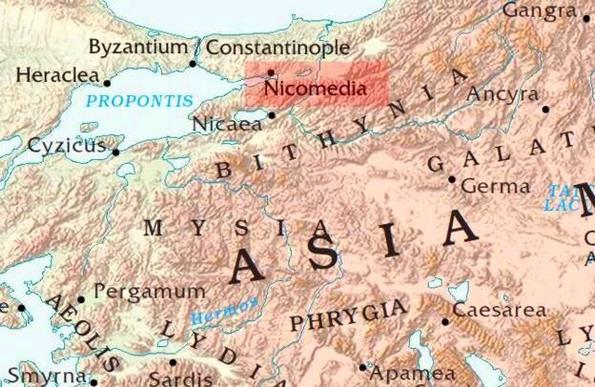
In this post, we’ll have a look at one of his nature-themed poems, no. 46. If you’re somewhat acquainted with those “greater” classical poets, you‘ll notice how different Catullus’ writing feels compared to some of them: there are no gods, heroes or warriors here. His verses are very personal and emotional, focused on celebrating something as simple as the arrival of spring, and his much anticipated travel from Bithynia in the East, where he stayed from the summer of 57 to 56 BC.
If your Latin is a bit rusty or you happen to be a Latin learner, below the poem you’ll find a detailed, verse-by-verse word analysis, along with an English translation. At the very end of the post there are a few links to additional resources on Catullus, and the context of this particular poem.
Iam vēr ēgelidōs refert tepōrēs,
iam caelī furor aequinoctiālis
iūcundīs Zephyrī silēscit aurīs.
Linquantur Phrygiī, Catulle, campī
Nīcaeaeque ager ūber aestuōsae:
ad clārās Asiae volēmus urbēs.
Iam mēns praetrepidāns avet vagārī,
iam laetī studiō pedēs vigēscunt.
Ō dulcēs comitum valēte coetūs,
longē quōs simul ā domō profectōs
dīversae variae viae reportant.
WORD FORM ANALYSIS
VERSE 1
iam – adverb, indeclinable; now, already
ver – noun ver, -is, n. in the nominative sg. case; spring
egelidos – adjective egelidus, 3 in the accusative pl. case; lukewarm, tepid, mild
refert – verb refero, 3. -tuli, -latum in the 3. p. sg. Present Active Indicative; brings back
tepores – noun tepor, -is, m. in the accusative pl. case; warmth, mild heat
VERSE 2
caeli – noun caelus, -i, m. in the genitive sg. case; [of the] sky, heavens
furor – noun furor, -is, m. in the nominate sg. case; fury, madness, rage
aequinoctialis – adjective aequinoctialis, 2 in the nominative sg. case; equinoctial
VERSE 3
iucundis – adjective iucundus, 3 in the ablative pl. case; pleasant
Zephyri – noun Zephyrus, -i, m. in the genitive sg. case; [of] Zephyrus (the west wind, considered a spring wind by the Romans)
silescit – verb silesco, 3. in 1. p. sg. Present Active Indicative; becomes silent, grows quiet
auris – noun aura, -ae f. in the ablative pl. case; breezes
VERSE 4
linquantur – verb linquo, 3. liqui in the 3. p. pl. Present Passive Subjunctive; let [x] be left behind
Phrygii – adjective Phrygius, 3 in the nominative pl. case; Phrygian (a province in central Anatolia)
Catulle – noun / personal name Catullus, -i. m. in the vocative sg. case; oh, Catullus
campi – noun campus, -i. m. in the nominative pl. case; fields, meadows
VERSE 5
Nicaeaeque – noun / toponym Nicaea, -ae, f. in the genitive sg. case + suffix -que; and of Nicea (the capital of Bithynia)
ager – noun ager, -ri, m. in the nominative sg. case; field
uber – adjective uber, 2 in the nominative sg. case; fertile, fruitful, abundant
aestuosae – adjective aestuosus, 3 in the genitive sg. case (f.); burning hot, glowing, scorched
VERSE 6
ad – preposition ad, indeclinable; to, towards
claras – adjective clarus, 3 in the accusative pl. case (f.); famous, glorious, illustrious
Asiae – name / toponym Asia, -ae, f. in the genitive sg. case; [of] Asia (i.e. Asia Minor)
volemus – verb volo, 1. -avi, -atum in the 1. p. pl. Present Subjunctive; let us fly
urbes – noun urbs, -is, f. in the accusative pl. case; cities
VERSE 7
mens – noun mens, -tis, f. in the nominative sg. case; mind
praetrepidans – verb praetrepido, 1, nominative sg. of the Present Participle; hasty, impatient
avet – verb aveo 2. in the 3 p. sg. Present Active Indicative; longs, wishes, desires
vagari – deponent verb vagor, 1. vagatus sum in the Present Infinitive; to wander
VERSE 8
laeti – adjective laetus, 3 in the nominative pl. case (m.); happy, joyful, cheerful
studio – noun studium, -i, n. in the ablative sg. case; with zeal, enthusiasm
pedes – noun pes, -dis, m. in the nominative pl. case; feet
vigescunt – verb vigesco, 3. in the 3. p. pl. Present Active Indicative; gain strength, strengthen
VERSE 9
dulces – adjective dulcis, 2 in the vocative pl. case; dear, sweet, pleasant, charming
comitum – noun comes, -itis, m. / f. in the genitive pl. case; comrades, friends
valete – verb valeo, 2. -ui, -itum in the 2. p. pl. Present Active Imperative; be well, good bye
coetus – noun coetus, -us, m. in the vocative pl. case; band, gang, group
VERSE 10
longe – adverb, indeclinable; far, distant
quos – relative pronoun in the accusative pl. case (m.); who
simul – adverb simul, indeclinable; at the same time
a – preposition, indeclinable; from
domo – noun domus, -us, f. in the ablative sg. case; home
profectos – verb proficiscor, 3. profectus sum in the accusative pl. case (m.) of the Perfect Participle; setting out, departing, leaving
VERSE 11
diversae – adjective diversus, 3 in the nominative pl. case (f.); different, diverse
variae – adjective varius, 3 in the nominative pl. case (f.); different, varied, various
viae – noun via, -ae, f. in the nominative pl. case; roads
reportant – verb reporto, 1. -avi, -atum in the 3. p. pl. Present Active Indicative; carry back
ENGLISH TRANSLATION
Leonard C. Smithers (1894)
Now spring brings back mild breezes without cold,
now heaven's equinoctial fury
falls silent at Zephyr's pleasant breezes.
Let the Phrygian meadows be left behind, Catullus,
and the teeming fields of sun-scorched Nicaea:
let us fly to the glorious cities of Asia.
Now my palpitating soul longs to wander,
now happy in their zeal my feet grow strong.
O sweet band of comrades, fare you well,
whom various roads in different directions carry back
all at once setting out far from home.
ADDITIONAL RESOURCES
E. T. Merrill’s commentary on Catullus 46
Audio of Catullus 46, read out in hendecasyllabic metre
The spring of our discontent: Catullus 46 and the classical spring
Gaius Valerius Catullus (a Poetry Foundation entry)
NOTE
I’m a freelance language tutor (English, Latin, Classical Greek), researcher, and a literary scholar currently based in Belgrade, Serbia.
If you wish to receive new content from my blog – as soon as it’s published – please enter your email address in the subscribe box below.
To support my work, you can send me a donation via PayPal. It would be greatly appreciated!
COVER IMAGE CREDIT
Ante Hamersmit via Unsplash
#ancientRome #Bithynia #Catullus #classicalLiterature #classics #Latin #LatinGrammar #LatinLiterature #LatinVocabulary #learningLatin #literature #Phrygia #poem #poetry #readingComprehension #readingSkills #Rome #spring Antinous the Gay God


 grammaticus