 SpringGnoll
Celebrating the elegance and talent of Li Gong!
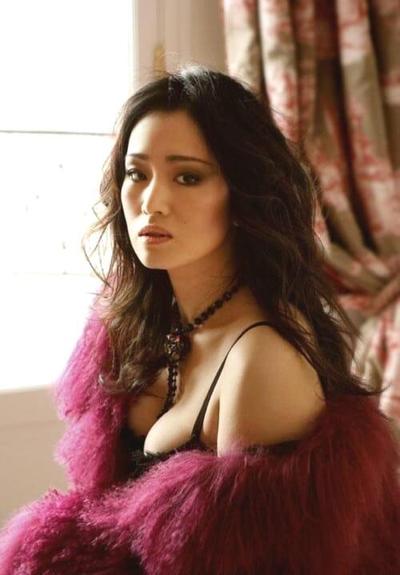
Celebrating the elegance and talent of Li Gong!


<em>Eight Views of the Xiao and Xiang Rivers</em> can be traced to 11th-century Chinese poems and paintings, the depiction of which had also become popular among Korean and Japanese painters. Xiao-Xiang refers to the region in present-day Hunan province where the Xiao and Xiang rivers converge. Few painters of the <em>Eight Views</em> had in fact seen the scenery; rather, they were trying to portray in ink and wash the lyrical qualities of dim light and a misty atmosphere typical of that region. Each of the poetic titles suggests a time of day, a season, or specific atmospheric conditions—subjects that challenged the abilities of the most talented artists. <br><br>In this miniature painting (<em>shukuzu</em>) of the Muromachi period, Japanese Zen monk and painter Shukei Sesson depicted all eight views featured in Chinese prototypes: Wild Geese Descending to Sandbar; Returning Sails Off a Distant Coast; Mountain Market in Clearing Mist; River and Sky in Evening Snow; Autumn Moon over Dongting Lake; Night Rain on the Xiao and Xiang; Evening Bell from Mist-Shrouded Temple; and Fishing Village in Evening Glow.
 Hidden Gems