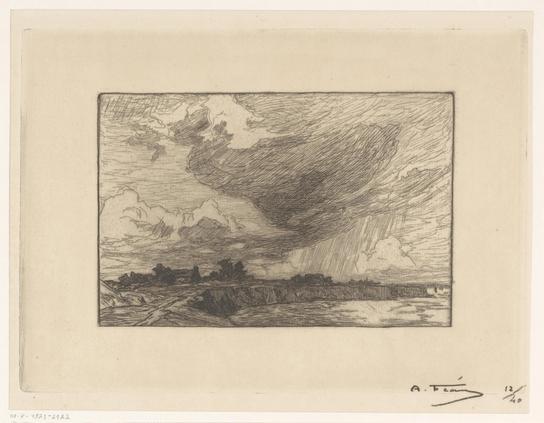
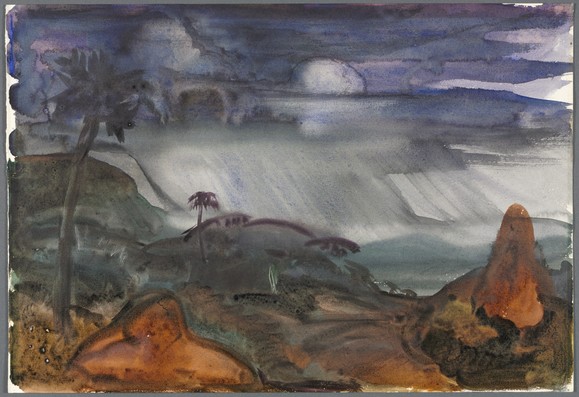
A walk along Amédée Féau's 1882-1921 Kustlijn met overtrekkende regenbui at #Rijksmuseum unveils the sublime drama of nature. Who else is captivated by the charm of rain draped coastline?
#ArtReflections #Rijksmuseum #ArtHistory #Nature
https://www.rijksmuseum.nl/nl/collectie/RP-P-1921-2122
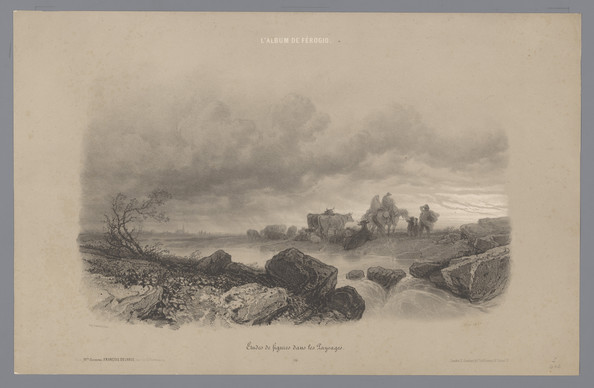
Basking in the calming tones of Fortuné Férogio's "Reizigers en koeien aan een beek in een landschap" at
#Rijksmuseum. A nature's symphony performed in green and blue hues, compelling viewers to listen. What emotion does this landscape evoke in you?
#ArtReflections #
https://www.rijksmuseum.nl/nl/collectie/RP-P-1944-2120
Reizigers en koeien aan een beek in een landschap, Fortuné Férogio, 1844 - 1854 - Rijksmuseum
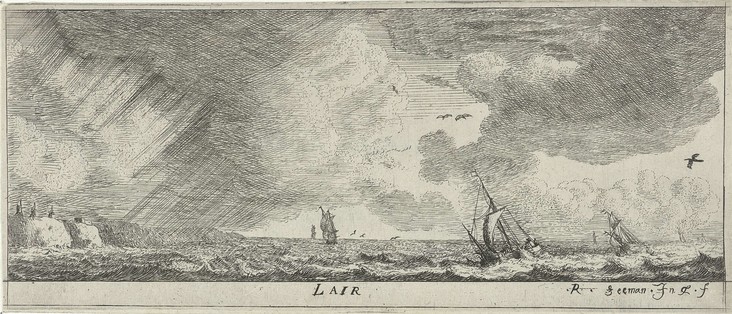
Transported back to 17th century with Reinier Nooms's "Lucht." The evocative depiction of skies reminds us of the unstoppable march of time. Anyone else feel the pull of nostalgia?
#Rijksmuseum #ArtReflections #Noomshttps://www.rijksmuseum.nl/nl/collectie/RP-P-1888-A-13538
Lucht, Reinier Nooms, 1651 - 1652 - Rijksmuseum
Visiting
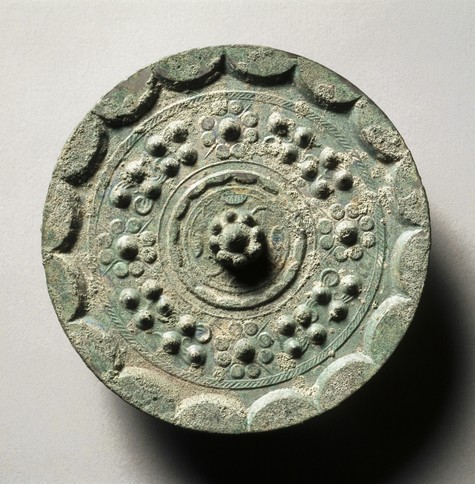
#ClevelandMuseumofArt I was lost in cosmic elegance of 'Mirror with Clouds and Nebulae'. Reflections of universe at your fingertips, a surreal scope of time and space. What cosmic wonders would your mirror reflect?
#ArtReflections #SpaceInArt #ClevelandArthttps://clevelandart.org/art/1995.289
Mirror with Clouds and Nebulae | Cleveland Museum of Art
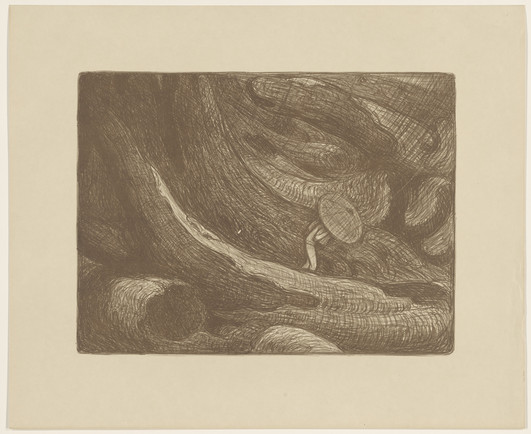
Immersed in the expressive contours of "Vlucht voor de bui"; 1918 masterpiece by Nieuwenkamp at
#Rijksmuseum. The fleeing figures embody our innate drive for shelter. How does art echo your survival instinct?
#ArtReflections #SurvivalInArthttps://www.rijksmuseum.nl/nl/collectie/RP-P-1967-918
Vlucht voor de bui, Wijnand Otto Jan Nieuwenkamp, 1918 - Rijksmuseum
Exploring the subtle beauty in
#ClevelandMuseumofArt's Rain.. An embodiment of nature's elegance, it inspires serenity within. What feelings does this artwork awaken in you?
#ArtReflections #ClevelandArthttps://clevelandart.org/art/1928.217
Rain | Cleveland Museum of Art
Exploring the infinite tranquility in '#StreamsandMountainswithoutEnd' at
#ClevelandMuseumofArt. The harmonious blend of landscapes transcends time. How does it resonate with your inner peace?
#ArtReflections #NatureInArthttps://clevelandart.org/art/1953.126
Streams and Mountains without End | Cleveland Museum of Art
Streams and Mountains without End was a landmark acquisition of 1953, made just a year after Sherman Lee had returned to Cleveland as curator of Oriental art. He acquired it with the intention to provide "a more than adequate foundation for a fine collection of Chinese landscape painting." This impressive work demonstrates the culmination of stylistic developments in Chinese monumental landscape painting following the Northern Song tradition. It represents a journey through a landscape, making it a fitting metaphor for Lee’s journey of discovery and achievement over a lifetime.
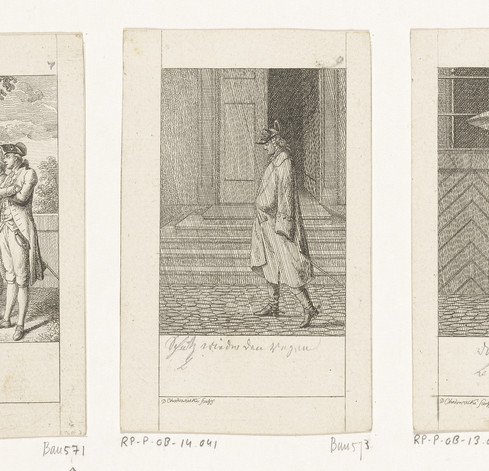
Immersed in an 18th-century downpour, Daniel N. Chodowiecki's 'Militair in de regen' at
#Rijksmuseum. The vivid rain strokes, the lone soldier – an embodiment of resilience and solitude. What emotions does it stir in you?
#ArtReflections #Chodowiecki #
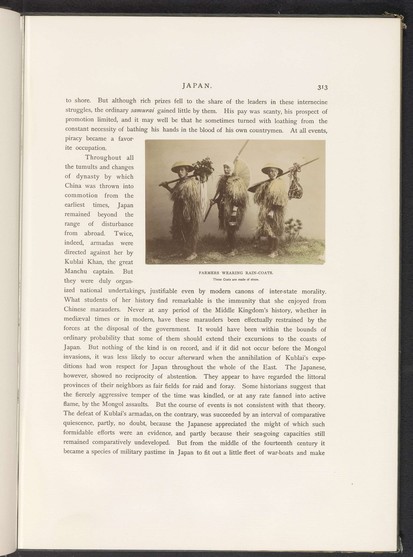
https://www.rijksmuseum.nl/nl/collectie/RP-P-OB-14.041Exploring the intriguing 'Drie boeren met strooien regenkleding' at
#Rijksmuseum. Captured by Kusakabe Kimbei circa 1887, this piece encapsulates history and culture. How does it resonate with you?
#ArtReflections #KimbeiAtRijksmuseumhttps://www.rijksmuseum.nl/nl/collectie/RP-F-2001-7-1557I-4
Drie boeren met strooien regenkleding, Kusakabe Kimbei (toegeschreven aan), ca. 1887 - in of voor 1897 - Rijksmuseum
Exploring the delicate beauty of 'Chinese Servant Walking in the Rain' at
#ClevelandMuseumofArt. Subtle sensibility blends with the striking vibrancy of life's harsh reality. How does this piece resonate with your personal experience?
#ArtReflections #AsianArthttps://clevelandart.org/art/2015.512
Chinese Servant Walking in the Rain | Cleveland Museum of Art
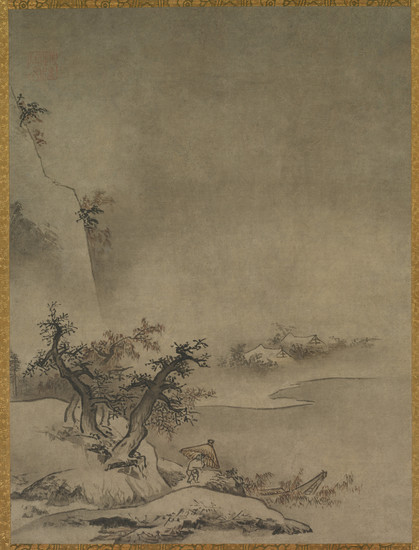
Attributed to the artist Gakuō, this painting has a spurious seal of the influential Shōkokuji temple monk-painter Tenshō Shūbun (died about 1444–50), with whom he is said to have trained. Gakuō may have hailed from Ise in present-day Wakayama prefecture, an area south of Kyoto in the Kansai region. Although not much is known about his life, inscriptions on some of his paintings indicate strong ties with eminent monks in Kyoto’s major Zen temples.
 Hidden Gems