Embracing Wabi-Sabi: Beauty in Imperfection
In a world obsessed with perfection, the Japanese aesthetic philosophy of wabi-sabi offers a refreshing counterpoint. This ancient worldview celebrates the beauty of imperfection. It embraces impermanence and incompleteness. It finds meaning in life’s subtle flaws and the gentle passage of time.
The Origins of Wabi-Sabi
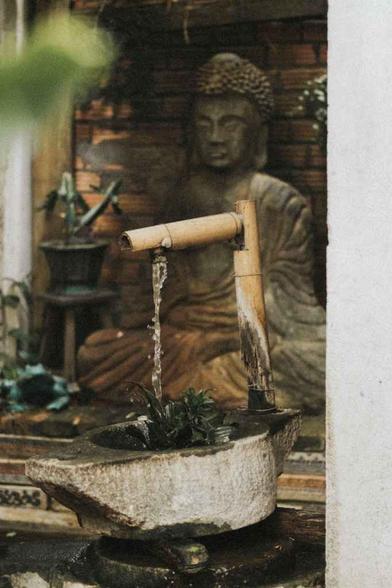
Emerging from Zen Buddhist teachings, wabi-sabi signifies a stark contrast to Western ideals of beauty. Originally, “wabi” meant the loneliness of living in nature, away from society. Over time, it evolved to convey rustic simplicity and quietude. “Sabi” refers to the beauty that comes with age and wear—the patina of life itself.
Photo by Nguyu1ec5n Khanh on
Pexels.comFinding Beauty in the Imperfect
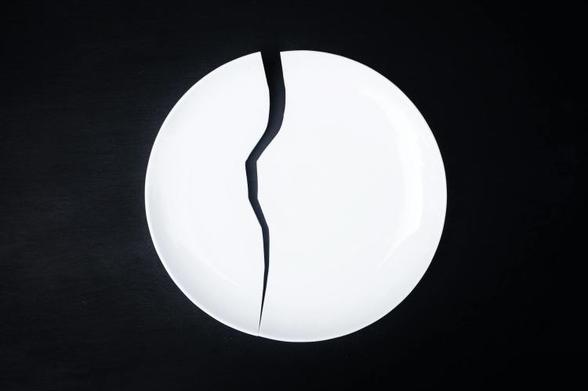
Consider a centuries-old tea bowl, its glaze crazed with countless tiny cracks, each telling a story of countless tea ceremonies. Imagine a wooden bench in a garden. It is weathered by rain and sun. Its grain has deepened and been enhanced by years of exposure. These objects embody wabi-sabi—they are more beautiful for their imperfections, not despite them.
Principles of Wabi-Sabi in Art
Three simple truths guide wabi-sabi aesthetics: 1. Nothing lasts forever
2. Nothing is perfect
3. Nothing is finished
Artists working within this philosophy often embrace:
- Natural materials that age gracefully- Asymmetry and irregularity
- Rough or uneven textures
- Intimate scale
- Earthy, muted colors
- Simplicity and understatement
Photo by Julia Filirovska on
Pexels.comContemporary Relevance
In our digital age of filters and flawless surfaces, wabi-sabi feels more relevant than ever. It reminds us that beauty exists in the cracks, the worn edges, and the honest marks of time. Modern artists and designers increasingly draw inspiration from this philosophy, creating works that celebrate authenticity over artificial perfection.
Practicing Wabi-Sabi
To embrace wabi-sabi is to find peace with impermanence and imperfection.
It means:
- Appreciating handmade objects with their natural variations
- Allowing materials to age naturally rather than hiding wear
- Finding beauty in simplicity and restraint
- Accepting that change and decay are natural parts of life
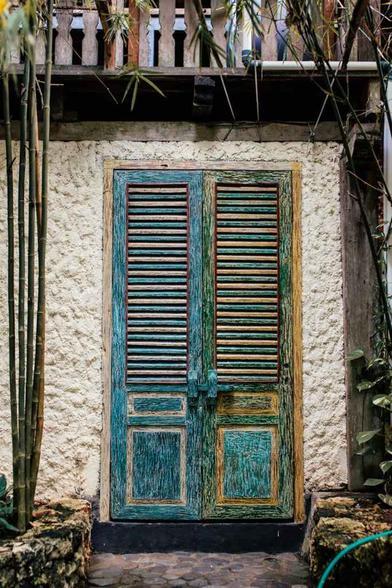
Photo by Rachel Claire on
Pexels.comBeyond Aesthetics
Wabi-sabi isn’t just an artistic philosophy—it’s a lens through which to view life itself. It teaches us to find beauty in life’s fleeting moments, to embrace our own imperfections, and to age gracefully.
In a culture that often seems to value only the new and perfect, wabi-sabi offers something different. It provides a more sustainable way of living. It encourages a mindful approach to creating. In embracing wabi-sabi, we just find a deeper, more authentic beauty. It speaks to the truth of our existence. It does this rather than conforming to an impossible ideal of perfection.
What imperfections in your life or surroundings have you come to appreciate, and how do they show your personal journey?
#art #ArtOfImperfection #ImperfectPerfection #japan #Lifestyle #mindfulness #PatinaOfLife #philosophy #WabiSabi #ZenWay Rangeress
 Neisha Landers