 Khurram Wadee ✅
 Astronomy Picture of the Day (unofficial bot)
#apod 2026-05-24 (video)
A Martian Eclipse: Phobos Crosses the Sun
Web page: https://apod.nasa.gov/apod/ap260524.html
Content: https://apod.nasa.gov/apod/image/2605/MarsEclipse_perseverance.mp4
APOD: 2026 May 24 – A Martian ...
 peppujols
Al Sistema Solar hi ha molts altres tipus d'eclipsis de Sol. 👇
 Fa
FaBom-dia :) 🐋 - #APOD - A Aurora vista do espaço -
https://bsky.app/profile/fanapod.baldanders.info/post/3mlx7uwr3ds2b -
A 400 km de altitude, a Estação Espacial flutua perto de uma aurora verde, causada pelo oxigênio atômico. Raras faixas avermelhadas se estendem acima do horizonte. Ao canto, Sirius, a estrela + brilhante de Cão Maior -
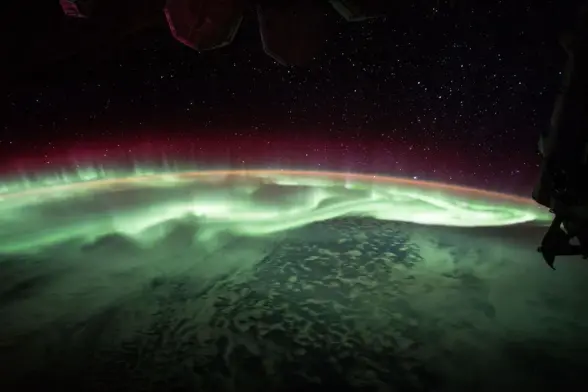
Bom-dia :) 🐋 - #APOD - A Aurora vista do espaço -
https://apod.nasa.gov/apod/ap260516.html -
A 400 km de altitude, a Estação Espacial flutua perto de uma aurora verde, causada pelo oxigênio atômico. Raras faixas avermelhadas se estendem acima do horizonte. Ao canto, Sirius, a estrela + brilhante de Cão Maior. -
#apod 2026-05-23
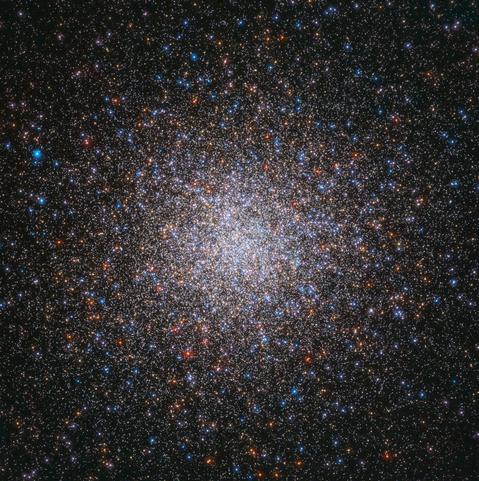
Messier 2
Web page: https://apod.nasa.gov/apod/ap260523.html
 Astronomy Bot
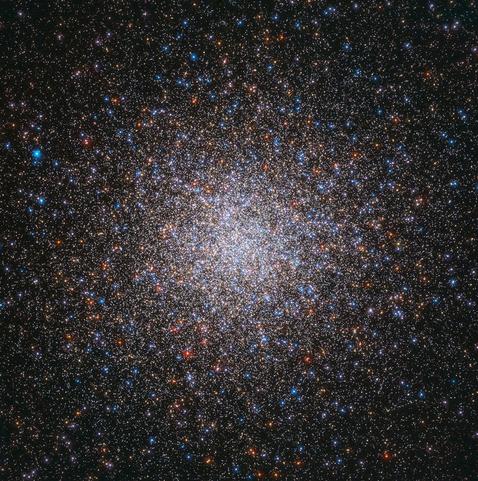
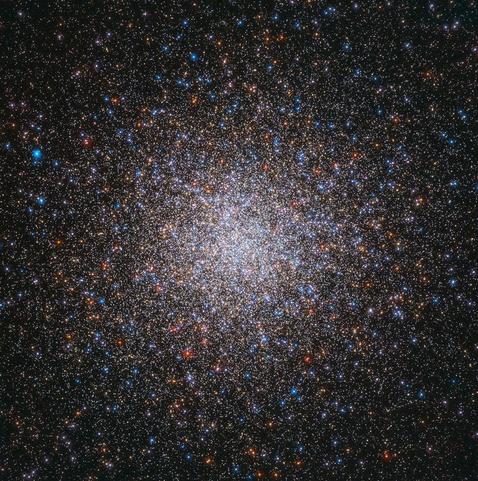
Astronomy photo of the day: Messier 2.
Copyright: Unknown
Explanation: After the Crab Nebula, this giant star cluster is the second entry in 18th century astronomer Charles Messier's famous list of things that are not comets. M2 is one of the largest globular star clusters now known to roam the halo of our Milky Way galaxy
 Sayed.app
🌠 Space Image of the Day: Messier 2
🗓️ 2026-05-23
After the Crab Nebula, this giant star cluster is the second entry in 18th century astronomer Charles Messier's famous list of things that are not comets. M2 is one of the largest globular star clusters...
#NASA #APOD #Space #Astronomy #Science
 grobi
grobi2026 May 23
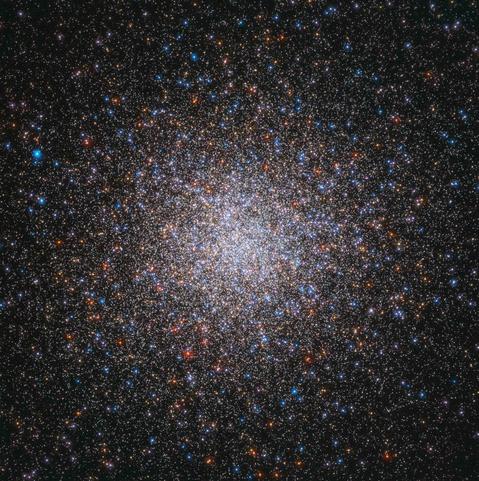
Messier 2
* Image Credit: ESA/Hubble & NASA, G. Piotto et al.
https://spacetelescope.org/
https://www.nasa.gov/
https://arxiv.org/abs/1410.4564
Explanation:
After the Crab Nebula, this giant star cluster is the second entry in 18th century astronomer Charles Messier's famous list of things that are not comets. M2 is one of the largest globular star clusters now known to roam the halo of our Milky Way galaxy. Though Messier originally described it as a nebula without stars, this stunning Hubble image resolves stars across the cluster's central 40 light-years. Its population of stars numbers close to 150,000, concentrated within a total diameter of around 175 light-years. About 55,000 light-years distant toward the constellation Aquarius, this ancient denizen of the Milky Way, also known as NGC 7089, is 13 billion years old. An extended stellar debris stream, a signature of past gravitational tidal disruption, was recently found to be associated with Messier 2.
https://apod.nasa.gov/apod/ap180104.html
https://science.nasa.gov/mission/hubble/science/explore-the-night-sky/hubble-messier-catalog/messier-2/
http://www.messier.seds.org/m/m002.html
https://arxiv.org/abs/1606.05949
https://apod.nasa.gov/apod/ap240927.html
https://apod.nasa.gov/apod/ap260523.html
#space #messier #astrophotography #photography #science #nature #physics #NASA #ESA #apod