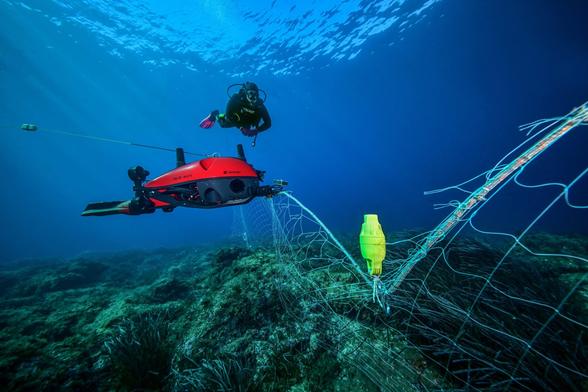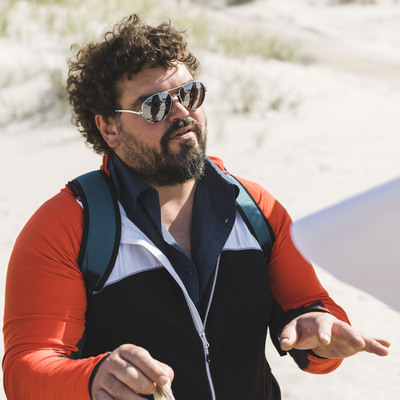
The past few days have been so action-packed I haven’t had time for updates. For now, I’ll just leave this “little” hint here #GhostNets #ALDFG #EsperanceTjaltjraak #IndigenousRangers #BeachCleanup #MarineDebris #ArtFromTrash @AdriftLab

Stakeholders’ Perspectives for Taking Action to Prevent Abandoned, Lost, or Otherwise Discarded Fishing Gear in Gillnet Fisheries, Taiwan https://www.mdpi.com/2028894 #mdpisustainability via @[email protected]

#ALDFG
@[email protected]
@[email protected]
@[email protected]

Stakeholders’ Perspectives for Taking Action to Prevent Abandoned, Lost, or Otherwise Discarded Fishing Gear in Gillnet Fisheries, Taiwan

Abandoned, lost, or otherwise discarded fishing gear (ALDFG) and ghost fishing are becoming increasingly severe, hurting marine ecology and inspiring worldwide concern. The Global Ghost Gears Initiative (GGGI) is committed to building a best practice framework for the management of fishing gear and believes that proper and systematic marking of fishing gear will help mitigate the impacts of ALDFG and ghost fishing. However, the mandatory marking of gear for fishery management, without considering the geographical characteristics of each region, could lead to confrontations between the government and the industry. This study used ranking, the analytic hierarchy process (AHP), and interviews to obtain the opinions of different groups regarding the choices and preferences of stakeholders in the assessed factors of taking action to prevent ALDFG and reduce the harm caused by ghost fishing. The results show that the factors “B2, Informing and counseling”, “P2, Fishing gear marking”, and “P1, Regulation” had consensus and were valued by each group. In contrast, “P3, Announcing the location”, “R1, Equipment for boat recovery”, and “R5, Environmental label” were not yet in line with the custom of gillnet fisheries in Taiwan. These results can accelerate the integration of opinions, consider appropriate compromise solutions, and coordinate ideas among different groups to implement reasonable and efficient fishing gear marking management measures.

MDPI
It is the first time I read something realistic in mainstream media about the contribution of #ALDFG in global plastic pollution. From 5 years of surveying the coastline in NW Scotland we can tell that it represents 80+% of the mass of marine debris of which 55% are fibrous. These numbers are extremely similar to what is found in the Great Pacific Garbage Patch by the Ocean Cleanup project. Well done to Lebreton for getting that in the #Guardian
https://www.theguardian.com/environment/2022/nov/07/invisible-killer-ghost-fishing-gear-deadliest-marine-plastic
‘An invisible killer’: how fishing gear became the deadliest marine plastic

Plastic in the depths: as ‘ghost gear’ chokes the ocean, campaigners call for mandatory measures including buy-back schemes and recycling

The Guardian