Nathalie V.

19 Followers
5 Following
7 Posts
Research Assistant in Planetary Marine Geosciences
Caela Voyager—Exploring Earth and Space

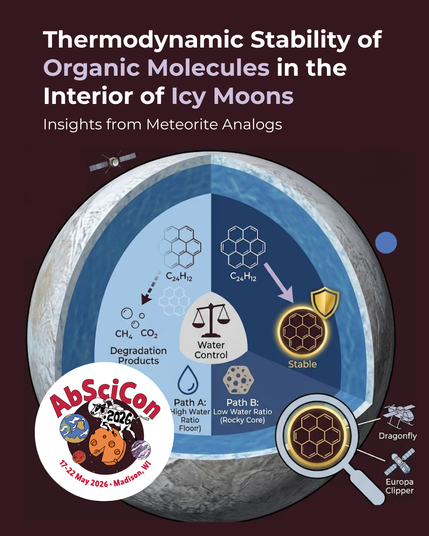
This month, I will participate The Astrobiology Science Conference 2026 (AbSciCon26), which brings the astrobiology community together every two years to share research, collaborate, and plan for the future.

I will also give a talk on May 21st about my master thesis which I have done in Laboratoire de Planétologie et Géosciences, Nantes, in collaboration with NASA JPL.

Looking forward to hearing feedbacks from planetary community!
#AbSciCon2026 #AGU

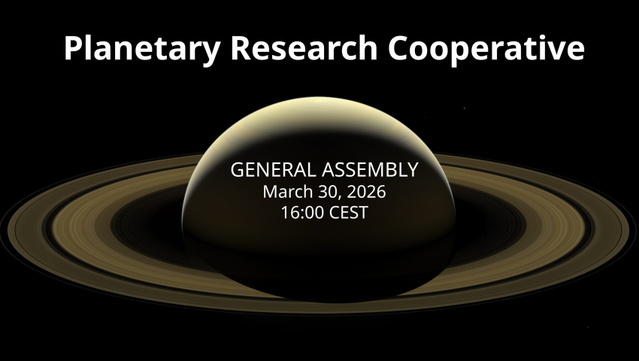
Thanks to everyone who attended our General Assembly yesterday! As part of the meeting we gave an overview of the association, the services we provide, the Planetary Research journal, and our priorities for the coming year. If you missed it, you can find a recording on our Peertube server. 

https://solarsystem.video/w/wD7ZEZGqQhJgZV5ipMQcyB

Planetary Research Cooperative - General Assembly (2026)

PeerTube

For those who celebrate, Happy Lunar New Year!

Ever wondered why LNY falls on a different date every year? Here’s the quick, simple reason:

• A lunar month follows the Moon cycle (~29.5 days)
• 12 lunar months ≈ 354 days — about 11 days shorter than the solar year
• The lunar calendar is anchored so the 11th lunar month contains the winter solstice (around Dec 21–22), also has a period of 1 solar year.
• Every 2–3 years, a leap month is added to keep the seasons aligned

#lny2026 #moon #planet

Just declined another review request for a journal that publishes closed-access content. It is very easy to say no. Just forward this letter to the editor:

https://signatories.planetary-research.org/no-reviews-for-closed-access-journals

Open letter - No reviews for closed-access journals in planetary science

# OCEAN ON LAND

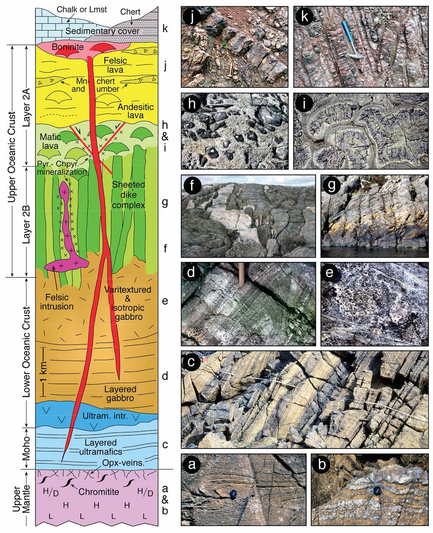
Have you ever heard of Ophilite? It sounds like a rock type, but it’s defined as ancient oceanic crust thrust onto continental crust at a convergent margin. It’s rare and usually involves young, relatively light oceanic crust that avoids subduction. A full sequence can be preserved: sediments, basalts, sheeted dikes, gabbros, and mantle peridotite, often serpentinized. Ophiolites record ancient ocean chemistry and hydrothermal activity —all accessible on land!

Source: alt text

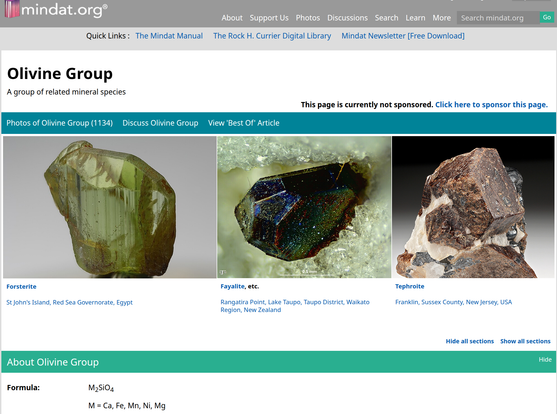
I started to build my favorite mineral collection on mindat.org. This website is useful to know (almost) everything about minerals in rock, mining locations, crystal structure, and more interesting facts. The community and admins are also active there. This page is useful as I can add as much minerals I want to the collection and bring it to anywhere, unlike physical rocks.
Hello solar system! I am glad to be a part of the community. I was trying to open a social account to write a bit about rocks, planets, and stuff I learned (both Meta and X didn't look nice to me). This platform is perfect. I hope we can grow our interest in solar system science together. I'm still new to this so be gentle to me 🍀