It's not that it can't be traced, the author is stating it won't be traced because high-ranking government officials are selling those secrets.
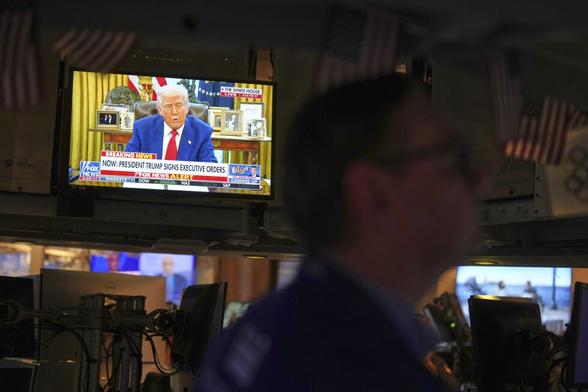
This is actually not new in this administration. Last year the president posted on social media telling people to buy stocks a few hours before he announced tariffs (https://apnews.com/article/trump-truth-social-djt-tesla-musk...).
The bigger problem isn't whether or not it can be traced, or if it should be traced. It can and it should. The central issue at stake here is the sale of government secrets to private and (presently) anonymous groups for profit. The author is stating that since we don't know who the trader of that commodity is, and because that commodity's price is tightly coupled to actions related to the war, that trader could be helping enemies of the U.S. Without the knowledge of who the person is, or how they knew to make such a huge market movement, a claim of treason can be argued.
The biggest problem is the intelligence community is heavily rooted in trust. Movements like these signal there's an intelligence leak to the general public, or more appropriately, someone with $580 million lying around. An intelligence leak reduces trust; allies are less likely to share information if it's leaked. Conversely, trust is returned when the leaks are found and plugged, and measures put in place to prevent those leaks in the future. The author is stating that these leaks are unlikely to be plugged, which will reduce trust in American intelligence. After all, as the president said, "Let's say I was gonna do it or let's say I wasn't gonna do it, why would I tell you?" (https://www.bbc.com/news/live/c4gqjyk0vx3t)
Except he is telling someone, and that someone is making a lot of money.