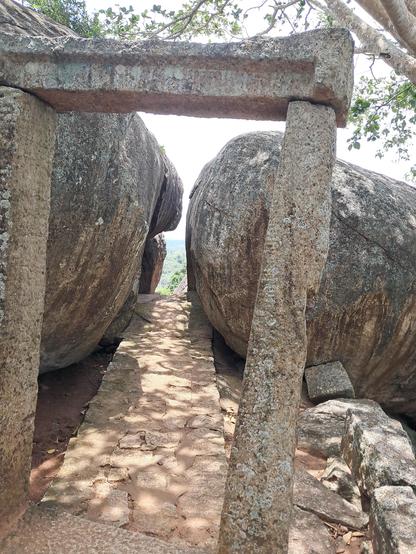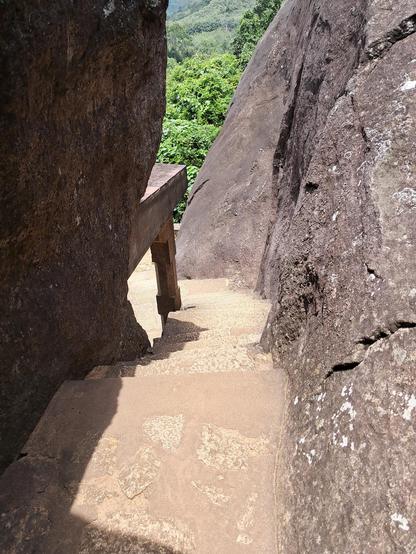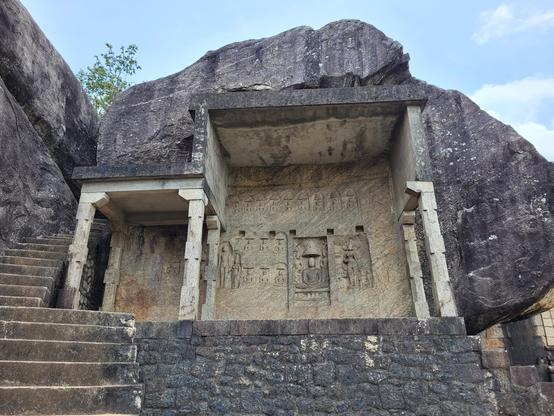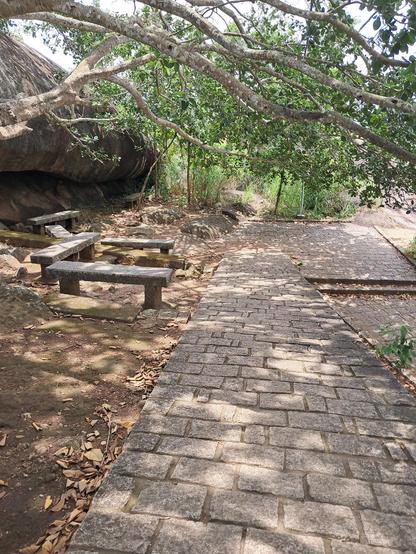
Kotki

@kotki5782
9 Followers
26 Following
133 Posts
🌈 Artist
Love hikes
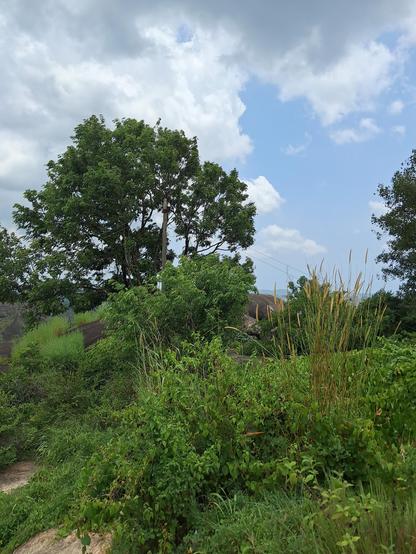
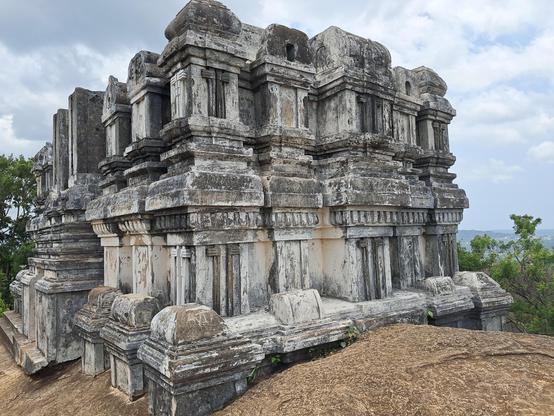
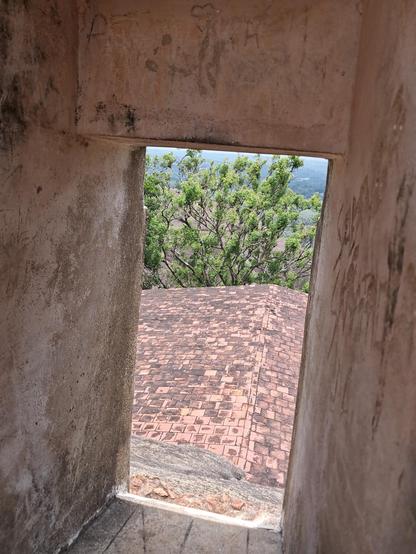
On the south side of the rock with the #temple 's roof peak. Look south and you can clearly see steps cut on the top part of the inscribed south rock we climbed before. But that side you can't see much valley. Looking around you can also see the trees and drop to the sloping tiled roof below, which is why there's no way to get a close pic of the structure's west side. The room's symmetrical but this side seems to have lighter plaster in parts as if it's been restored in modern times. #tamilnadu
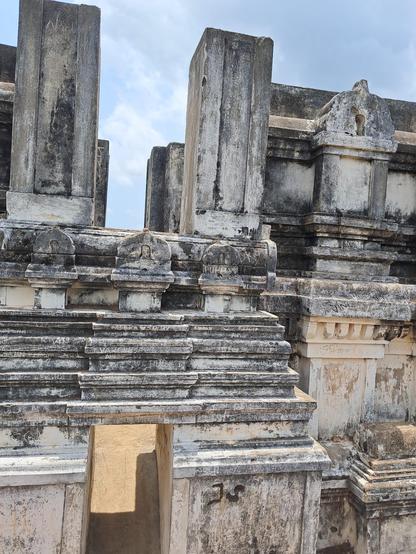
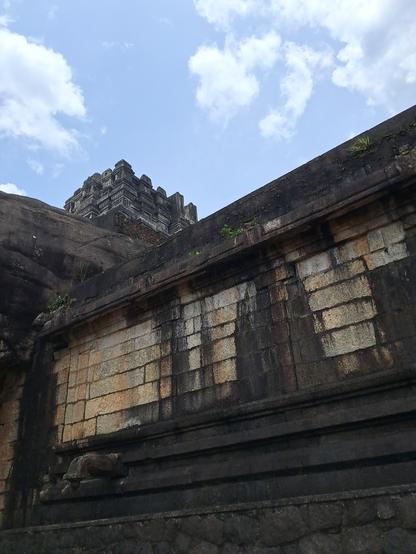
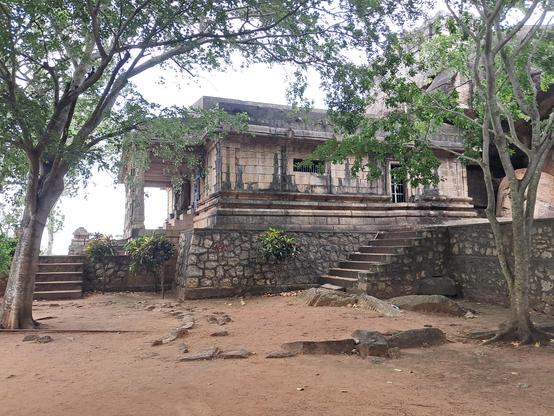
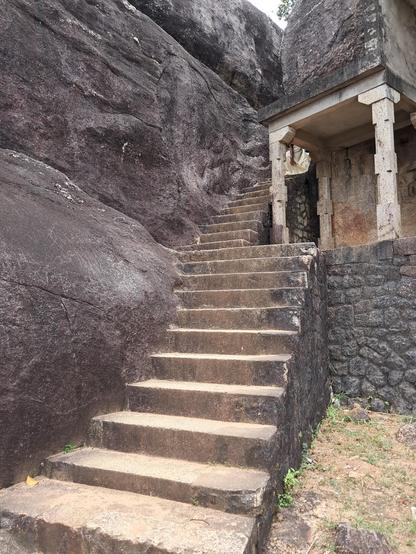
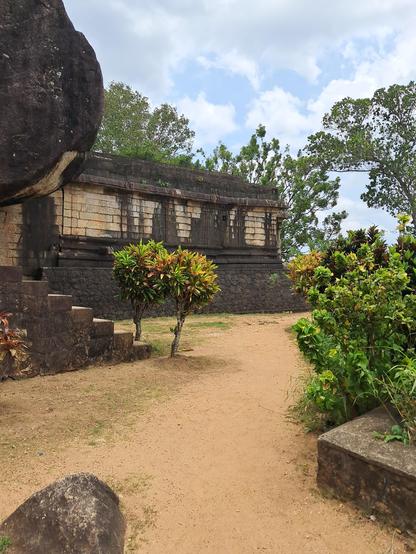
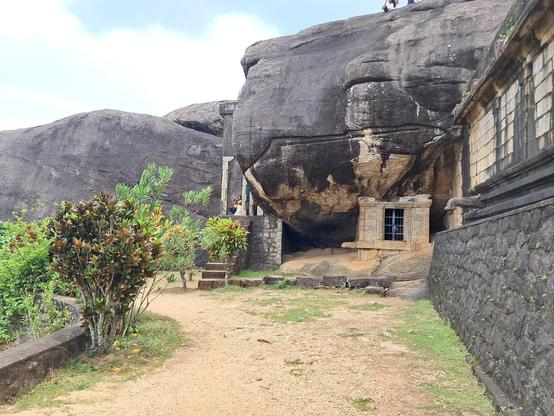
Returning back to the stairs on the north side, we're back to the rock with the #temple roof. Pic 1 from beside the roof shows steps cut on the top part of the inscribed south rock that we climbed earlier. Pic 2 is from north side approach. It seems to be masonry and not carved rock as I assumed from far. The roof structure has entry holes at east(pic 3) and west. From inside looking through the west hole(pic 4) we see the drop to the sloped roof below so no west side pics. #tamilnadu #history
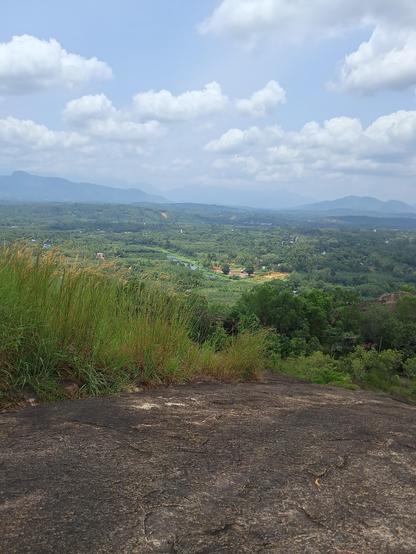
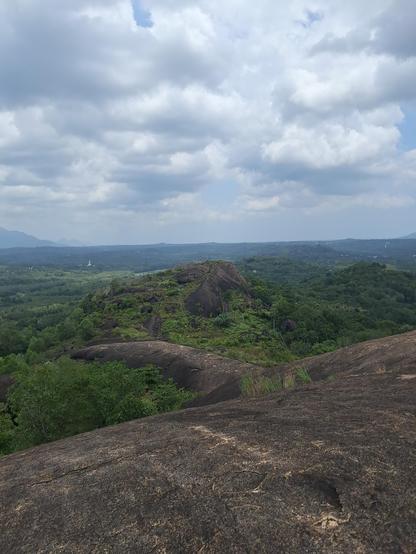
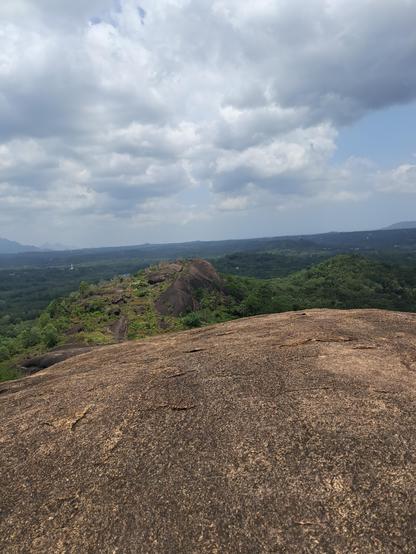
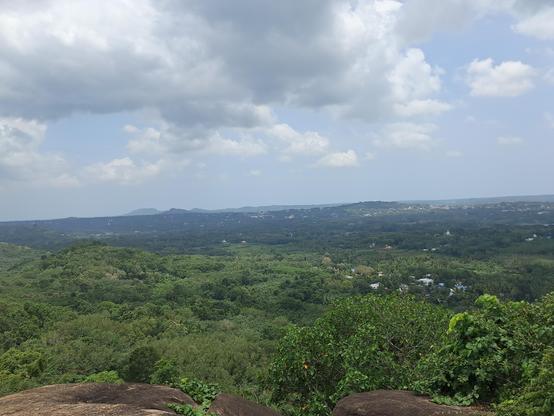
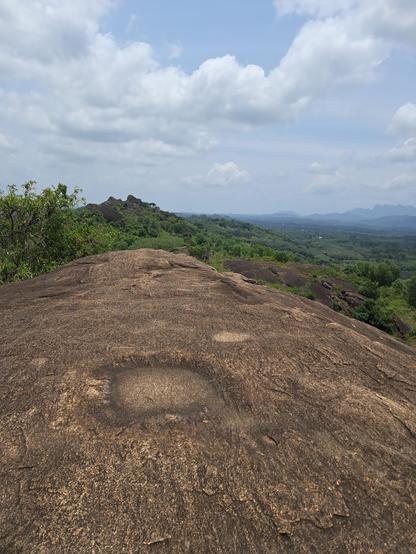
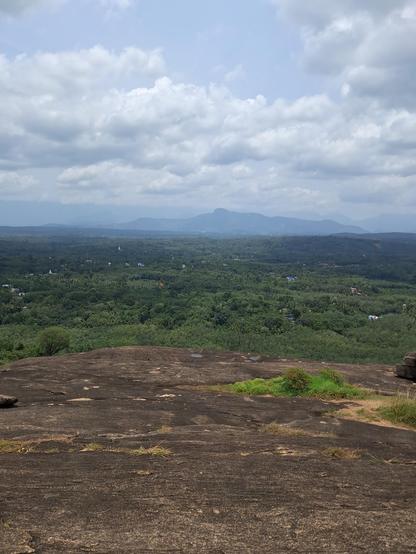
The south side inscription rock can be climbed and from up there you can see the #forest ,river and dam on the landward side (pic 1), all of the other stone hilltops we climbed on this trek straight ahead (pic 2,3), and the flat horizon on the seaward side(pic 4). Pic 3 clearly shows how steep the slope is at the end of the previous hilltop where the rock looked like an arm on a chair. The hills in pic 4 are probably the ones in the direction of Kuḷachel(കുളച്ചൽ/குளச்சல்) #tamilnadu #nature

Gopinatha Rao guesses that Pērāyirkuḍi might be Kazhugumalai because that used to be an important Jain center and an inscription there mentions Pērāyirkuḍi. Kazhugumalai would have been under Pandya rule that time and Vikramaditya Varaguṇaṉ was a vassal of the Pandyas.

Pērāyirkuḍi could also mean 'abode of the great Āys' referring to their place of origin, which is believed to be Agastyamalai.

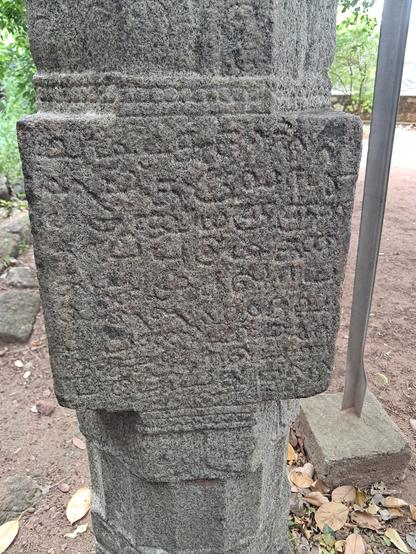
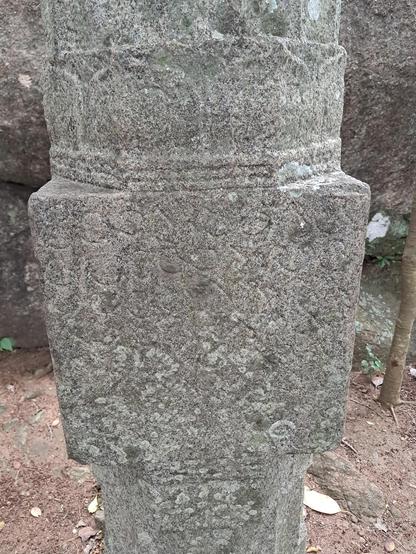
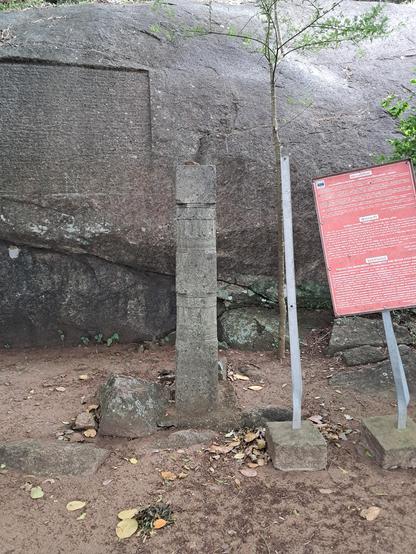
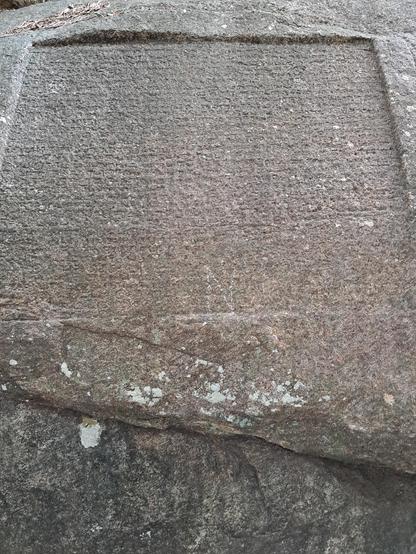
The south stone pillar inscriptions have both Tamil and Vattezhuthu script. The sign said this is dated to 475 Kollam era(1300 AD) recording that Nārāyaṇaṉ Tamizha Pallavarayyaṉ(நாராயணன் தமிழப்பல்லவரையன்) from near Rājavallipuram(ராஜவல்லிபுரம்) in lower Vēmbanāṭṭ(கீழ் வேம்பநாட்டு) region donated money for the Bhagavathi #temple expenses. Vēmbanāṭṭ is in Alappuzha(ആലപ്പുഴ) #Kerala ;Pērāyirkuḍi is unknown. Vikramaditya Varaguṇaṉ was of the Āy dynasty and ruled from Vizhinjam(വിഴിഞ്ഞം). #history
On the south side there's a stone pillar and a section of rock with Vattezhuthu inscriptions. The sign from before says that the south inscriptions record that Kuṇandāṅgi Kurattigaḷ(குணந்தாங்கி குரத்திகள்), disciple of Ariṭṭanēmi Bhaṭṭarar(அரிட்டநேமி பட்டாரர்) of Pērāyirkuḍi(பேராயிற்குடி) donated gold ornaments to Bhaṭṭāriyār(பட்டாரியார்) of this temple in Vikramaditya Varaguṇaṉ's(விக்கிரமாதித்த வரகுணன்) 28th regnal year (911/912AD). This dates the #hindu #temple to before this year. #history
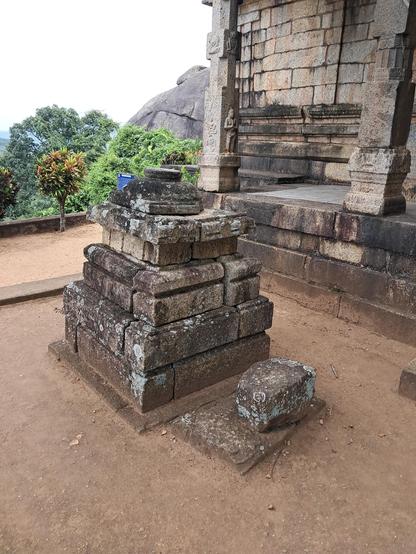
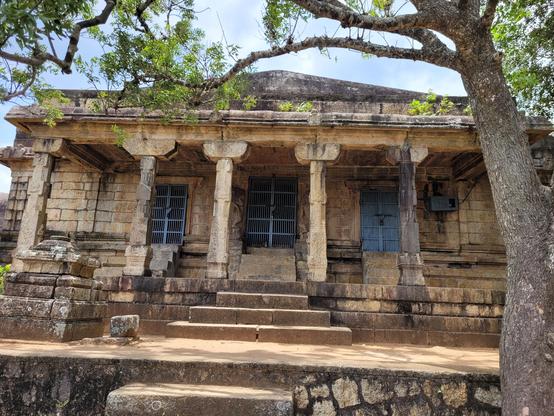
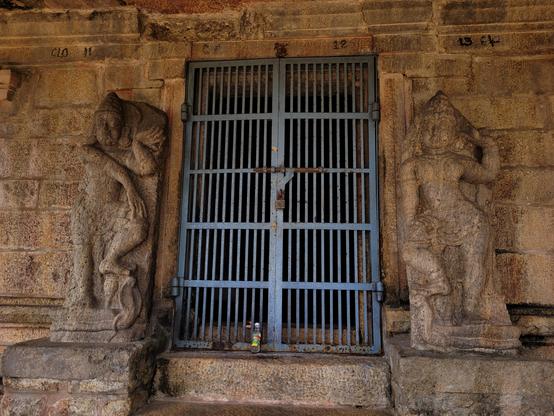
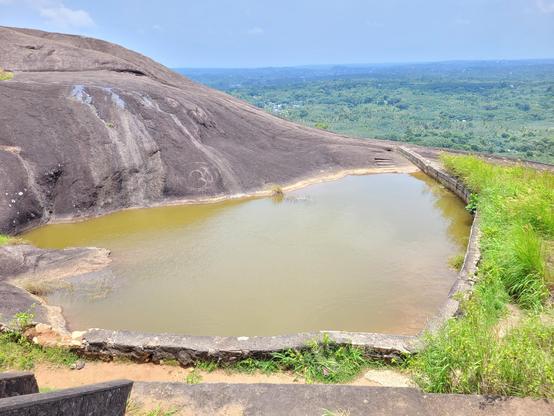
The #temple faces the seaward west side, there's a carved stone mound (balikkallu) on the left, a neem tree to the right and 3 locked gates. The sign before said from left to right these are shrines for Pārśvanātha, a #jain tirthankara (with 2 guardians outside) and Goddess, similar to the relief on the north side. In front of the temple, stairs lead down the retaining wall to a shallow triangular pond. On the south side, stairs lead down to a lower level shaded by trees. #history #tamilnadu
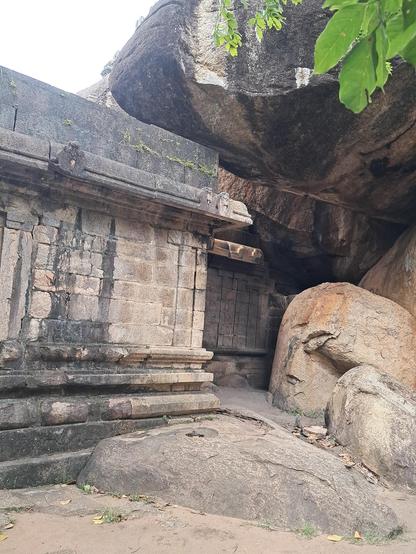
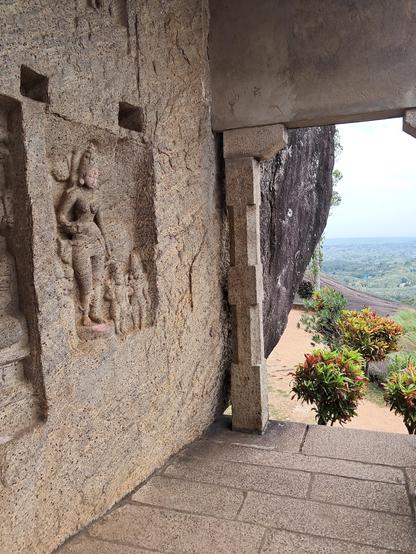
ASI website dates these carvings from 1st century BC to 6th century AD presumably based on dates of prevalence of Jainism and style of Vattezhuthu script below the reliefs. It looks like Ambika here is still worshiped! The roof was probably added recently with modern cement to protect from weathering since the sign before only mentioned overhanging rock. The stone and masonry temple further beyond was built at a later date when #jain figures were adopted as #Hindu goddesses. #history #tamilnadu
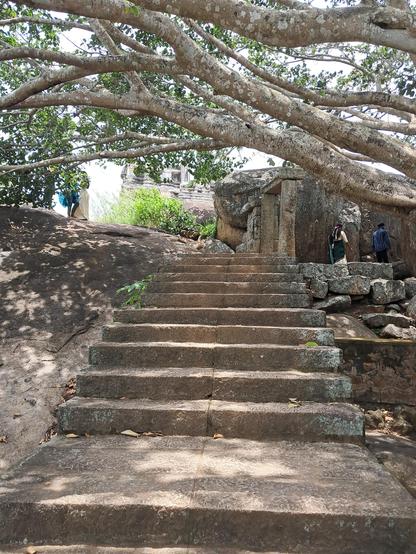
Climbing up the stairs beside the banyan tree shows us the detailed roof of the #temple .Historical photos from the 19th century show damage to this roof but it has been restored now. An arch to the right leads downstairs to the entrance. Descending the stairs we see relief carvings depicting #Jain figures. The sign from before identifies the left standing couple as Pārśvanātha and Padmāvatī. The tall woman with 2 children and a lion is Ambika who is also a #hindu goddess. #tamilnadu #history
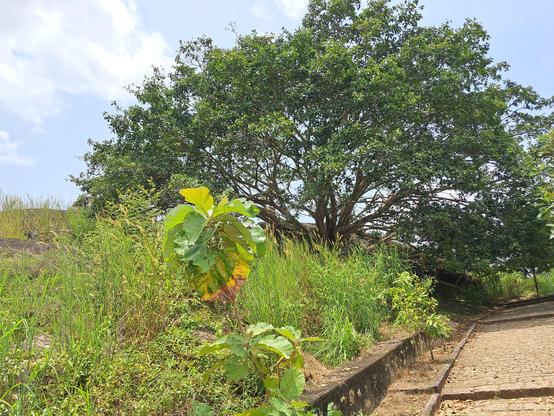
Further uphill there's a low branched banyan(?) tree near a hairpin bend. Pic 2 shows the view looking back from up the bend. To one end of the bend there's a path out to a bare rock and from there you can see the next hill of our range(pic 3). The distant #hills are probably the ones near #kerala #tamilnadu border at Netta(നെട്ട/நெட்ட). Pic 4 is when you turn to face the landward side of our hill. The prominent distant hill here is probably the one northeast of Kulashekharam(കുലശേഖരം/குலசேகரம்)