Pretty excited to have had a very small role to play in this NYTimes article covering Green Mountain Power's new program to address outages through more distributed energy resources (batteries, specifically) in addition to distribution system upgrades.

Kevin Thorley
- 46 Followers
- 74 Following
- 89 Posts
Software professional enjoying life in Vermont and trying to find every opportunity to make a difference in the climate crisis. Father, husband, guitarist, outdoor enthusiast. Member of the Williston, VT Energy Committee, EV evangelist, supporter of all solutions to stop the warming of our world.

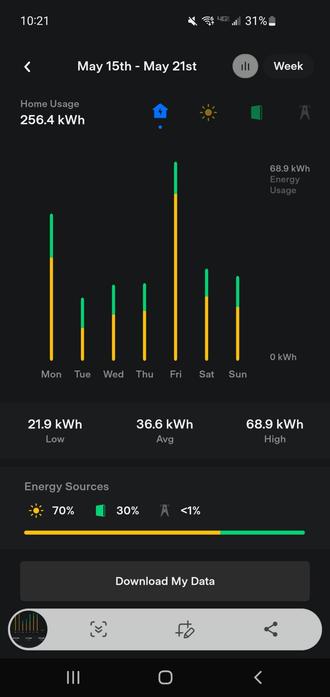
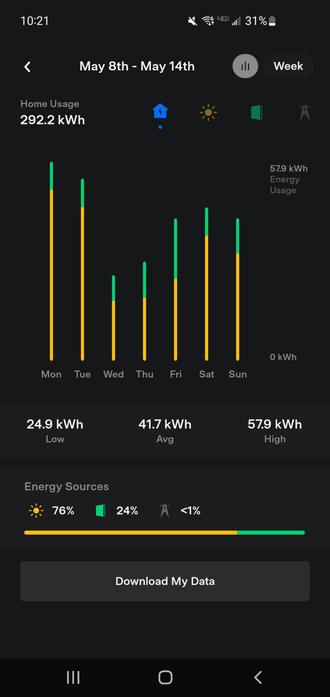
We put our batteries back into backup mode this morning after two full weeks self-powering with rooftop solar. Lowest battery discharge was 40%
Total home use: 548.6kWh
Solar produced: 1049.9kWh
Battery discharge: 147.5kWh
EV charging: 147.6kWh
Energy to grid: 488.2kWh
 Uwe Friedrichsen
2nd part of blog post discussing why microservices won't solve the big-ball-of-mud or time-to-market issues many companies hope it will do if done without also changing org, processes and mindset: https://www.ufried.com/blog/break_up_the_monolith_2/.
i still see companies way too often trying to "solve" their org and process based speed and quality issues by introducing new technology (here: microservices). but the timeless truth still holds true: technology does not fix people-related problems.
enjoy if you like ... ;)
 Helen Czerski
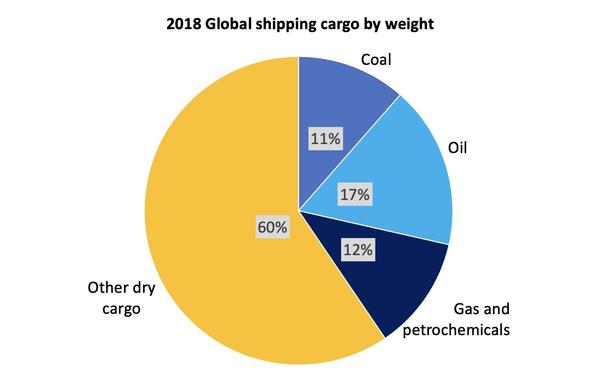
In the late 1800s, when steam ships were replacing sailing cargo ships, one of the last roles for the sailing ships was to carry coal around the world to supply ports where steamships wanted to go. A clean technology was essential to enable the growth of a dirty technology. And even today, fossil fuels aren’t magically just everywhere. A gigantic *** 40% *** of global shipping is just moving fossil fuels. So eliminating fossil fuel also drastically cuts global shipping emissions. #climate #ships
 Electrek.co
Tesla gives update on battery degradation: only 12% after 200,000 miles https://electrek.co/2023/04/25/tesla-update-battery-degradation/?utm_source=dlvr.it&utm_medium=mastodon

 Peter Gleick
If you're still on the birdsite for whatever reason, instead of posting links to your tweets here, copy the link to your toots HERE and post them there. It drives traffic from there to here!
Here are the 2022 energy costs for this car:
Miles driven: 11,464
Out-of-pocket costs: $235 ($0.02/mile)
... not including home solar: $535 ($0.046/mile)
... not including free charging: $715 ($0.062/mile)
Miles driven: 11,464
Out-of-pocket costs: $235 ($0.02/mile)
... not including home solar: $535 ($0.046/mile)
... not including free charging: $715 ($0.062/mile)
The 13.8MWh is inclusive of all electricity the car consumed, including charging efficiency losses, pre-conditioning, phantom drain, and non-driving uses (watching movies while waiting to pick up kids, etc)
Total efficiency is 310Wh/mile; driving efficiency is about 255Wh/mile
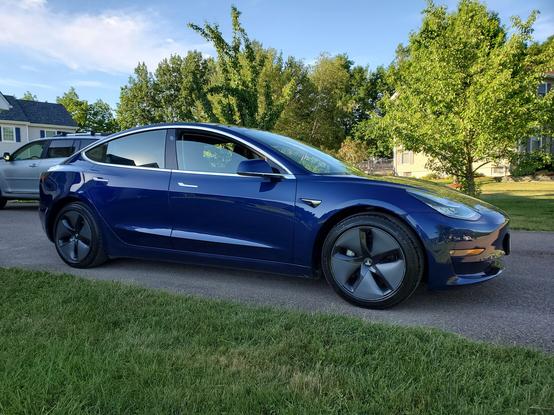
We wanted this car to handle anything we could throw at it and it has done exactly that. Year-round driving in all the conditions VT has to offer, ski trips, camping trips, canoeing and kayaking, frequent weekend trips up to 600 miles r/t, road trips up to 1200 miles r/t.
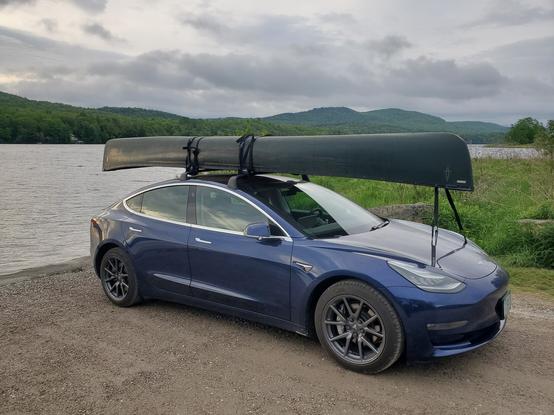
This week marked four years since we bought a Tesla Model 3 Long Range / AWD
Since then it has:
- driven 54,215 miles
- charged 13.8MWh; 20% fast charging, 68% home/office, 12% other
- fast charged 128 times, avg 14 minutes
- had 6.7% battery degradation
- cost $466.32 in non-tire service