| Website | https://jamesl.me |
| https://twitter.com/jthecoder | |
| GitHub | https://github.com/James-Livesey |
| Website | https://jamesl.me |
| https://twitter.com/jthecoder | |
| GitHub | https://github.com/James-Livesey |
I was very hesitant to see if I could even return a list from a procedure.
By some miracle, that also works too! And also note the local scoping of `i` in that `for` loop! π²
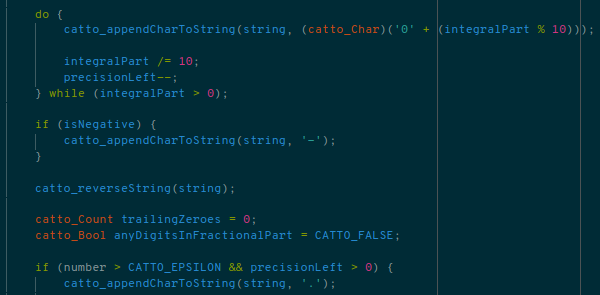
It wasn't a problem with that function itself. What was the problem is that my code was littered with calls to `catto_appendCharToString`, and I was throwing away its return value in each case.
You'll notice in the function declaration that I return the value of `CATTO_REALLOC` β AKA `realloc`.
Oh dear.
At first, I thought it would be an issue with my memory allocator again β it could possibly be returning the wrong memory addresses or overwriting areas of memory it shouldn't.
Nope, it turns out it's a problem with my use of this function here...
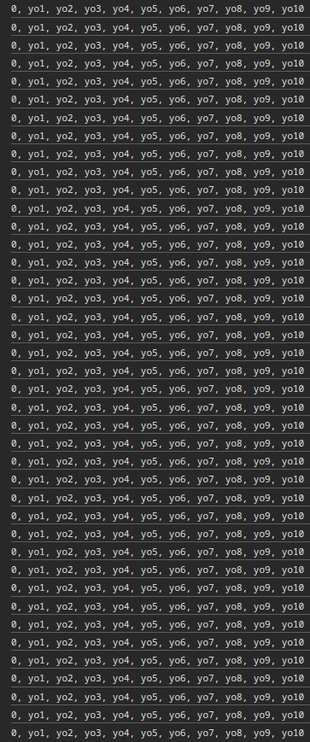
I clicked on 'run' multiple times. Looks like atto didn't work...
(Each line in this console output should be exactly the same.)
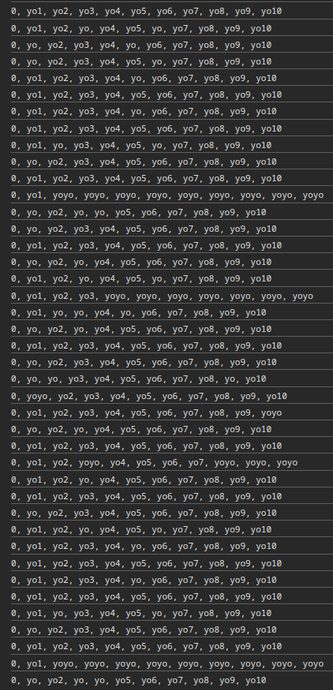
Why on Earth is it printing `yoyo`???
Back to the drawing board then. π«€
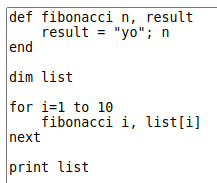
I wanted to see how well atto could cope with returning strings from procedures.
(For context, to return something from a procedure, you have to store the return value into a parameter variable, which is basically given by reference.)
So I wrote a simple program to return the string `"yo"` with the value of `n` appended to it.
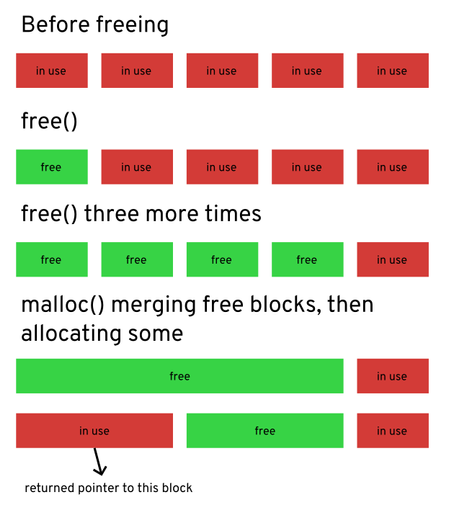
If you call `free` multiple times for a contiguous set of memory blocks, then the next call to `malloc` will attempt to stitch together those individual free blocks into a larger free block before attempting allocation.
Here's a hastily-drawn diagram to show you what I mean.
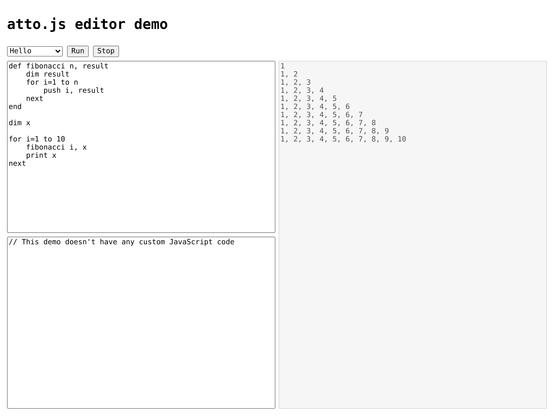
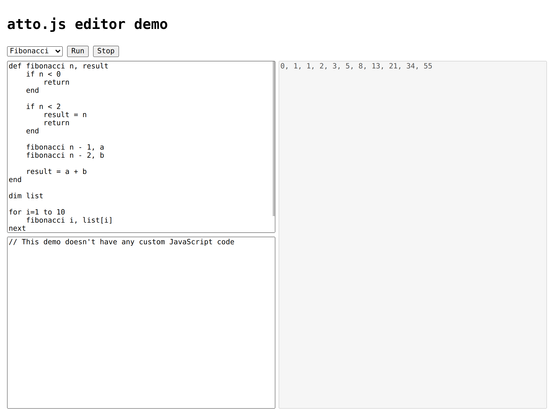
For a bit of background, I've been trying to get a web version of my atto programming language working correctly with all sorts of advanced features, like procedures with scoped variables.
It works by running catto (my C implementation of atto) in a WebAssembly module, which is then wrapped with JavaScript.
(Sounds a bit ridiculous given that the original atto was written in JavaScript, but I want to ensure that the behaviour of atto is consistent across platforms.)
Anyone else looking forward to the leap second in 2025? I've been working on a project that relies on timekeeping and I just had to implement it...
Then naturally I had to make it work across timezones π³