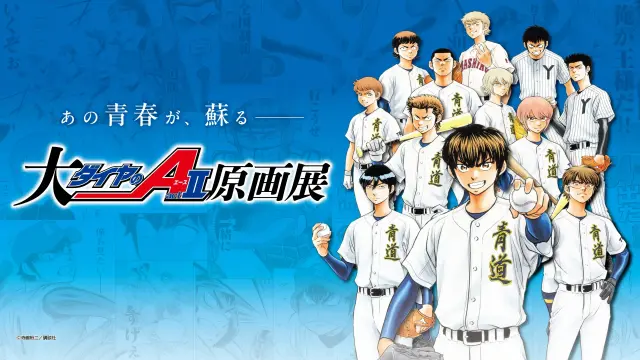
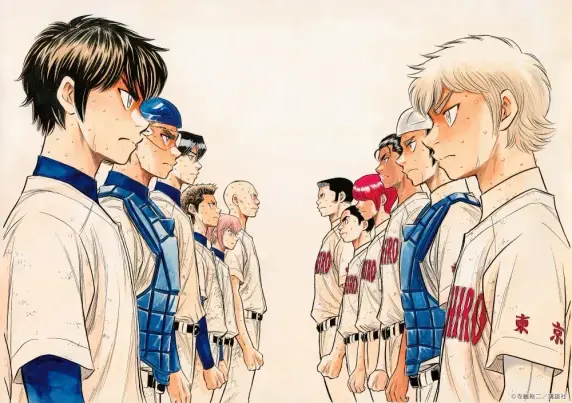
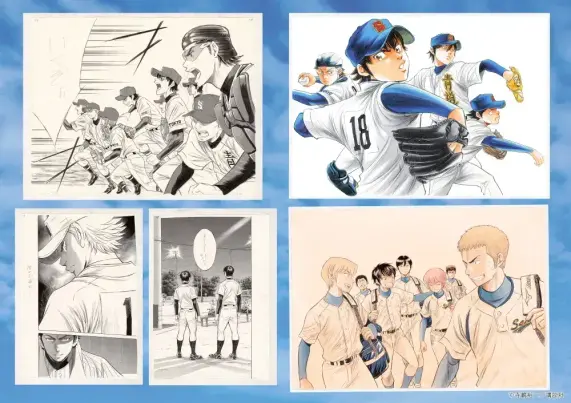
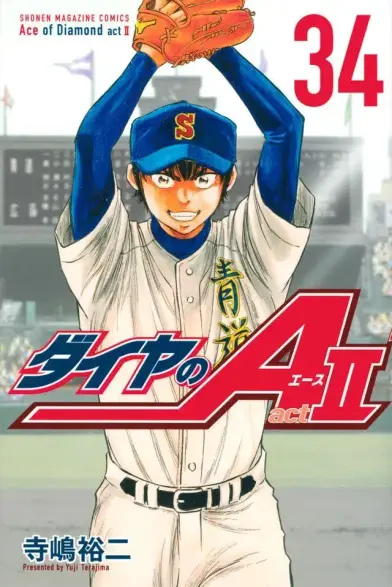
The Ace of Diamond Act II original artwork exhibition, marking the series' 20th anniversary, comes to Telepia Hall in Nagoya, 4 Jul-16 Aug. Over 300 original drawings by Yuji Terajima feature alongside a Seido vs Inashiro match theatre and a recreated clubroom with voiced original stories.
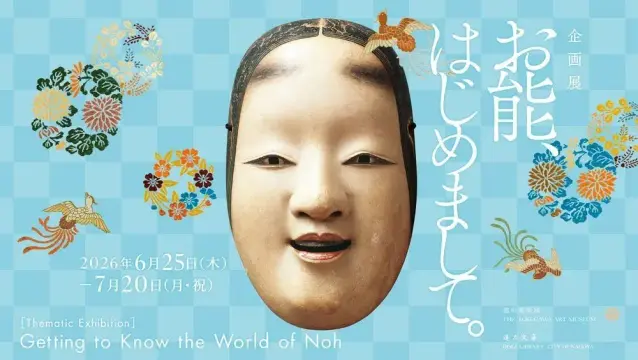
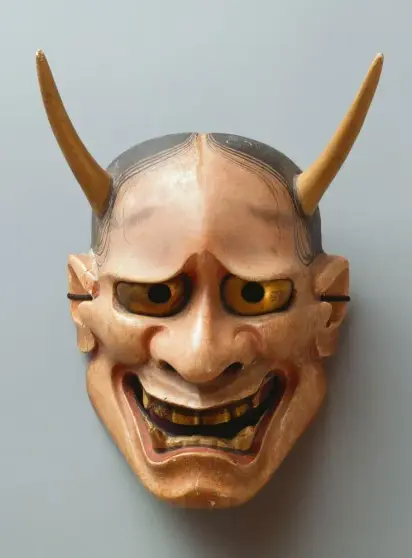
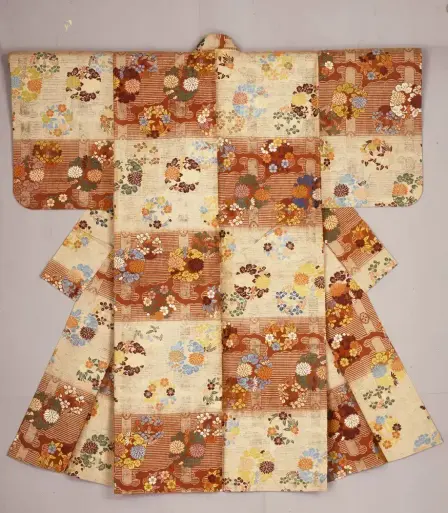
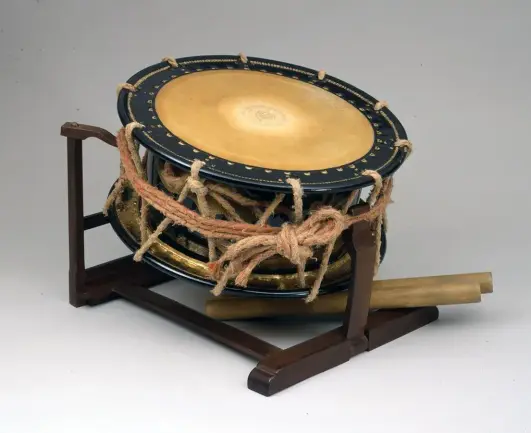
The Tokugawa Art Museum in Nagoya presents "Hello, Noh," a beginner-friendly exhibition introducing the 600-year-old theatre tradition through masks, costumes and the four-instrument hayashi ensemble, with illustrated explanations. Runs 25 Jun–20 Jul, closed Mondays except the final day.
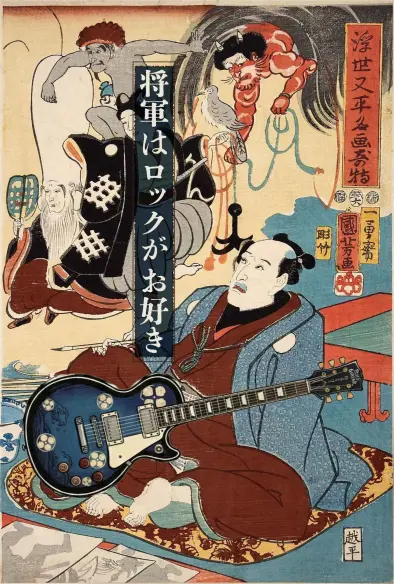
Edo Wonderland Nikko Edomura (Tochigi) marks its 40th anniversary with "Shogun wa Rock ga Osuki: Introduction of EDO ROCK FESTIVAL", running 18–20 July at the renewed SHOGUN THEATRE. Each day features a guitarist: SUGIZO, Kogure "shake" Takehiko and Nakaido Reichi.
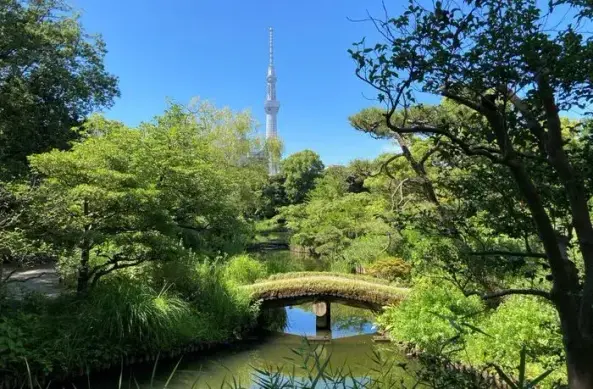
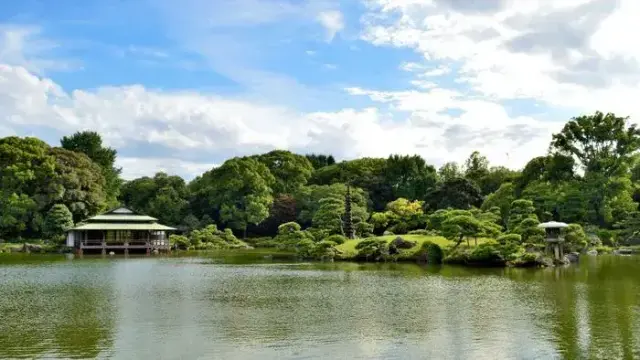
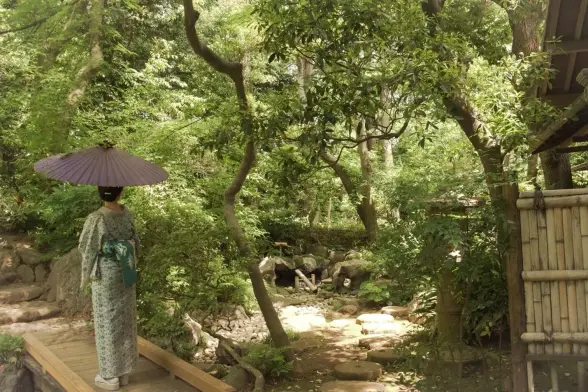
Tokyo's nine metropolitan gardens are lending out wagasa, traditional Japanese parasols, free of charge this summer. Stroll the grounds shaded from the sun, or use one for a memento photo. From 11 July to 27 September, on sunny days only, with parasols available near each entrance.
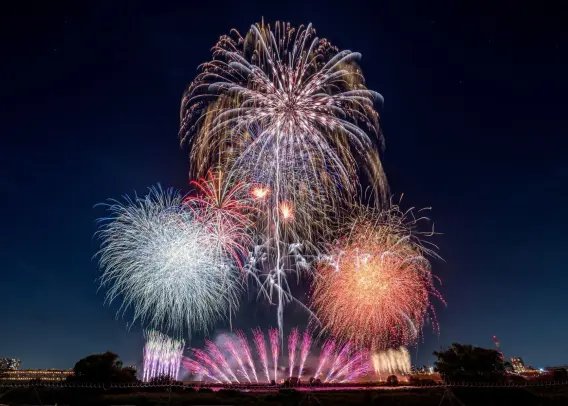
The 73rd Todabashi Fireworks Festival "Sky Fantasia" lights up the Arakawa riverbank in Toda, Saitama, on August 1. Marking the city's 60th anniversary, it runs alongside the Itabashi Fireworks Festival across the river, with synchronised displays from both banks. Gates 4pm, show from 7pm.
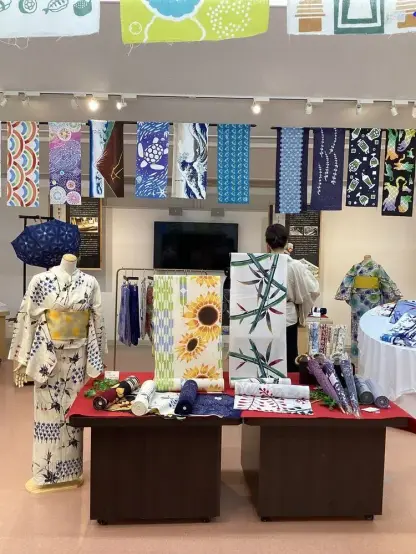
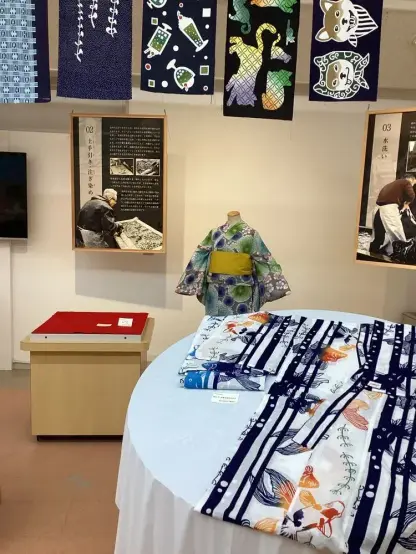
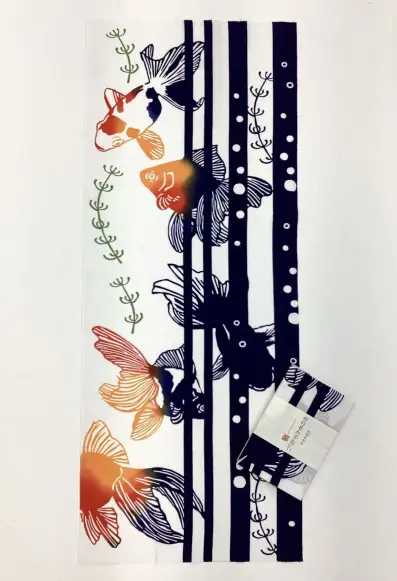
Sakai Traditional Crafts Museum is exhibiting chusen yukata, summer kimono dyed by a traditional stencil method that colours both sides at once. New designs feature, along with Mucha-pattern fabric and new tenugui hand towels by Hasegawa Aya. On show 15-21 June, sales 20-21 June.
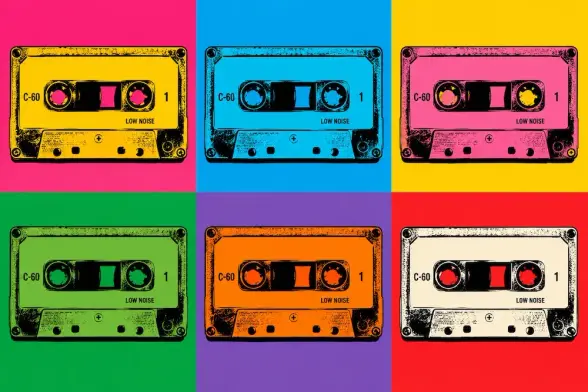
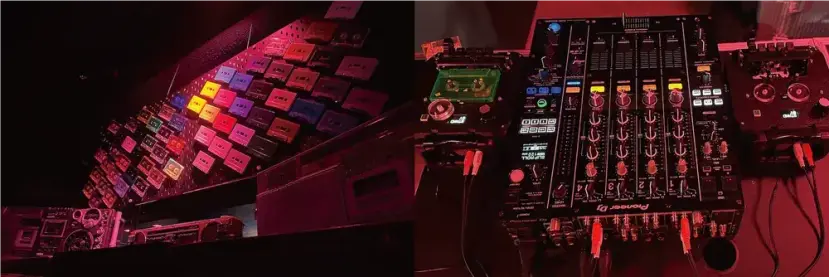
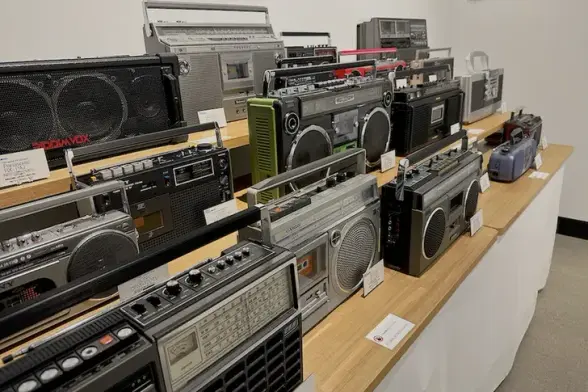
To mark 60 years of cassette tape production in Japan, a series of Cassette Day exhibitions runs this summer: hands-on listening, revived retro designs, cassette art and DJ sets. In Shibuya (25-31 Jul), Sendai (7-11 Aug) and Hakone (23-29 Aug). Free to enter.
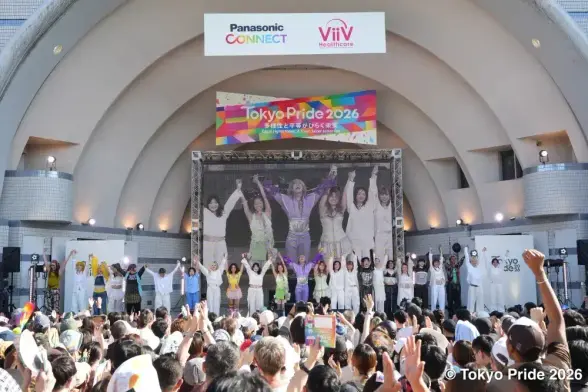
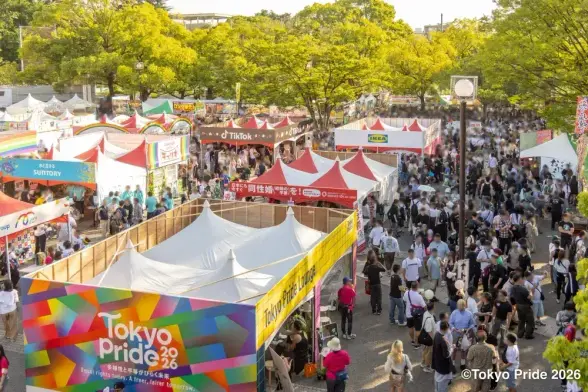
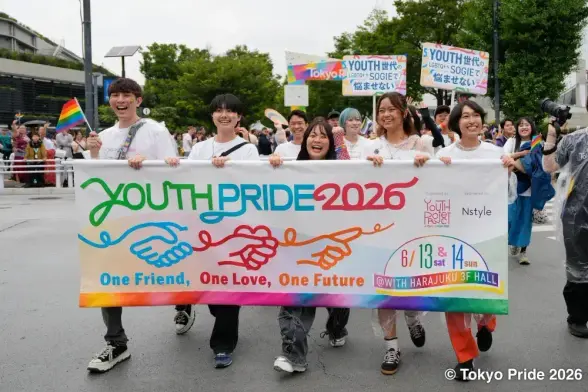
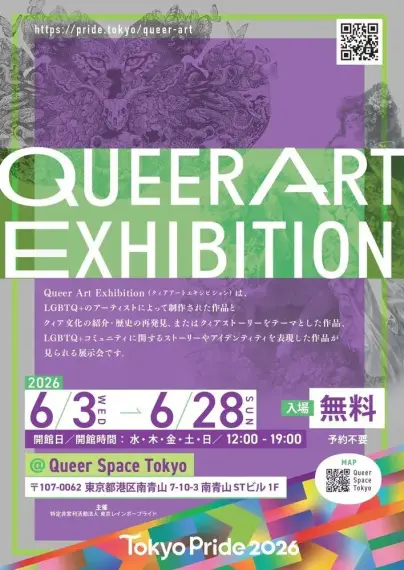
https://www.cassettedays.netPhotos from the Tokyo Pride Parade & Festival, held on 6-7 June. Youth Pride takes place on 13-14 June, the Human Rights Conference on 20 June, and the Queer Art Exhibition runs until 28 June, entry free. More:
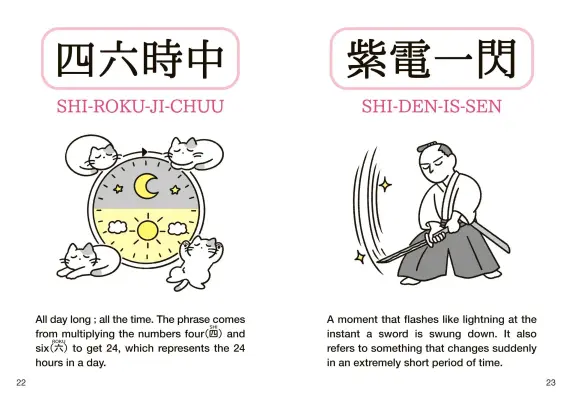
https://pride.tokyoJapanese classic idioms pack whole ideas into a few kanji. A handful of characters can set down a whole mood, a moment, or a way of seeing the world (from "My Special KANJI Book: Japanese Classic Idioms" by Natsume).