We form intense ties with analog objects over years of use. That’s why Flaubert asked to be buried with his inkwell.
But digital tech is mostly disposable. We value its connection to the infosphere, not the thing itself. No one’s dying wish is to be buried with AI glasses.
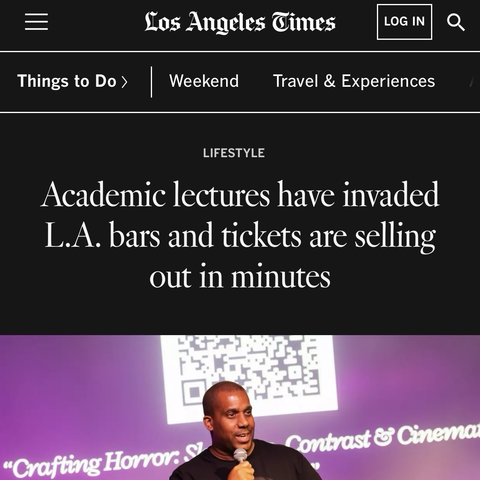
Intellectualism is the new counterculture.
Today I learned that Albert Wenger, head of the VC firm that originally backed Twitter, has this sticker on the back of his phone
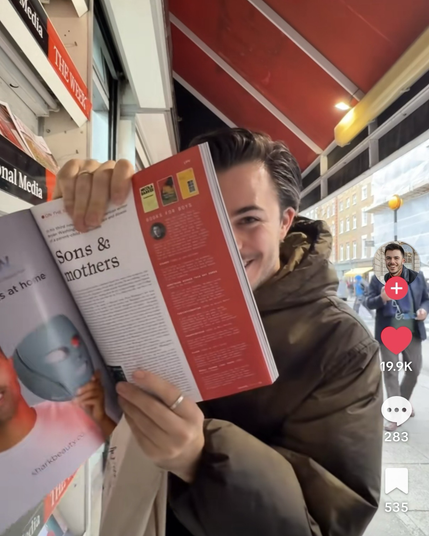
Case study in the enduring power of print: BookTok creator Jack Edwards reaches millions of readers with his online videos, but always dreamed of seeing his work in physical form. He's now a books columnist for British Esquire and made a video about the thrill of tracking down a copy of the magazine.
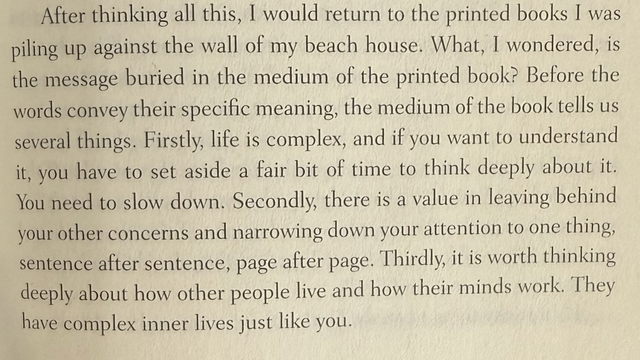
“The medium is the message.” Johann Hari on the message of printed books:
When I argue for the benefits of physical books, people tell me that every generation misses the old ways. But no, this isn’t pure nostalgia. Yes, my dad used to complain about decline back in the 90s, but the scores weren't plummeting then. Today they're in a free fall.
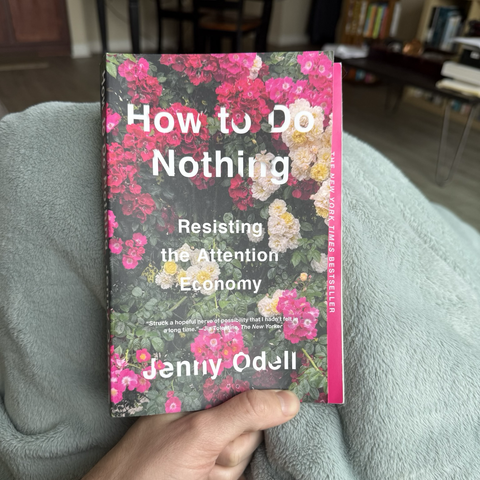
At first I avoided O’Dell’s book, assuming it was mostly about chilling out. It covers that, yes, but it’s really a defense of *all* activities that aren’t commercially productive but “produce” value which can’t be measured or exploited. Bird-watching, contemplation, wandering through a labyrinth…
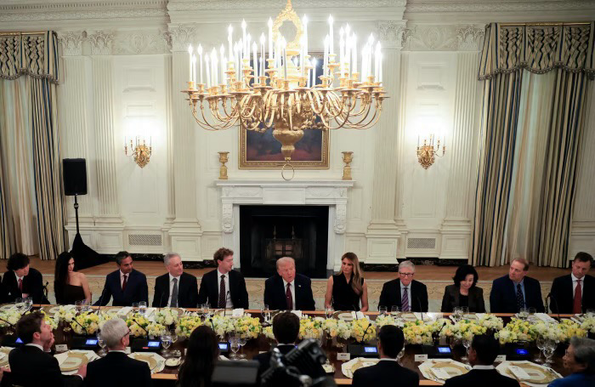
Last week, the leaders of Meta, Alphabet, OpenAI, and Apple took turns praising Trump at a White House dinner.
Not in the room: the leaders of Wikipedia, the volunteer editors who curate and maintain the internet's knowledge.
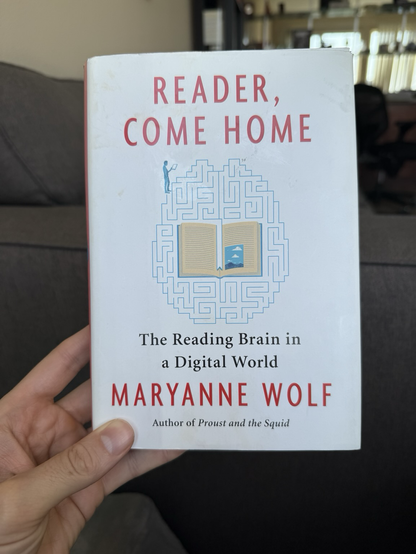
“The good readers of a society are both its canaries—which detect the presence of danger to its members—and its guardians of our common humanity.”
Shoutout to D.F. Lovett for confirming that my Wikipedia inspired novel is, in fact, a banger.
Full write-up in his newsletter, Edit History.