Ellie Miles

137 Followers
55 Following
34 Posts

Hello, I'm a museum curator and researcher

I specialise in contemporary collecting - pro-actively looking for objects that #museums can preserve to record the present

I'm based in London (UK) and find the place fascinating

I'm in maternity leave for now

My approach is cross disciplinary. Hoping to share thoughts and ideas about museum work, while learning from others. I'm particularly curious about #digitalhumanities and #playwork at the moment
@Nickpoole1 hi Nick, just found out that our local library is closing at the end of the month. No public announcement or consultation on services - library staff just told to give back the keys with a month's notice. Any advice on campaigning to save it? The service that were running it have withdrawn without public explanation and council have said nothing so far
Delighted to announce that Susanna Cordner, Jen Kavanagh Rosamund Lily West and I have signed a contract to publish an edited volume all about the ethics of contemporary collecting. It's a dream come true! It's very exciting to be bringing together a lot of fantastic contributions, sharing brilliant work from around the world.

One way to think about the work curators do is to look at it as reconciling things and stories. Some curators start projects with a narrative, some with a collection. Often it's a bit of a mixture.

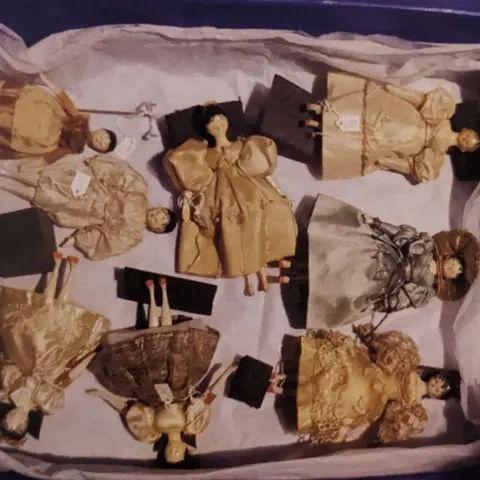
The reject objects were a way to tap into these thought processes and decisions.

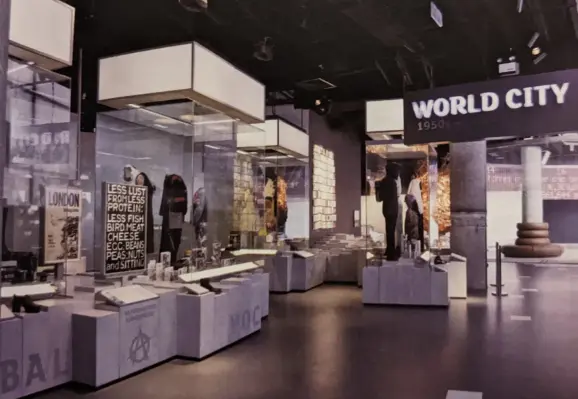
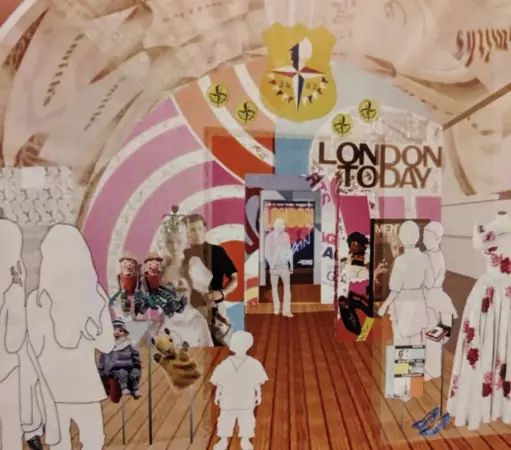
The gallery you end up building isn't always the gallery you first envisaged. The post war section of the Museum of London produced in 2010 was originally intended to represent a kind of parade as people power and activism shaped subcultures and the city.

The 'causeway' design was brought in by one of the in-house designers and the curator of this gallery quickly took to the vision. You can see how the procession took shape.

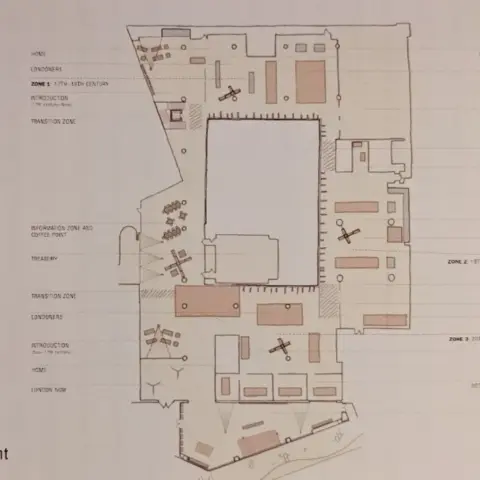
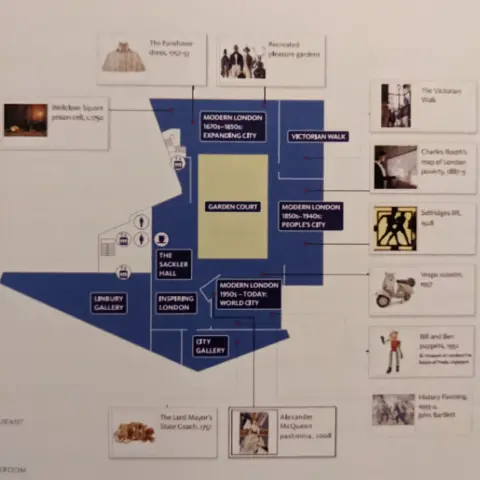
In 2005 work was underway to redesign the lower floor of the Museum of London to tell the story from 1666 onwards. The Galleries of Modern London opened in 2010 and in this early schematic design you can see how at this stage the intention was to have the visitor decide which direction to take London's chronology - whether to travel backwards or forwards through time.

This option was eventually dropped and the second introductory panel and associated text never came to be. You can read more about the construction of the Galleries of Modern London in my thesis.

First 📸 - schematic design for galleries, 2005. Museum of London
Second 📸 - gallery plan from 2010

When I found this out the whole building made a bit more sense. Such a pity the curatorial and learning offices were at the far reaches of the croissant.

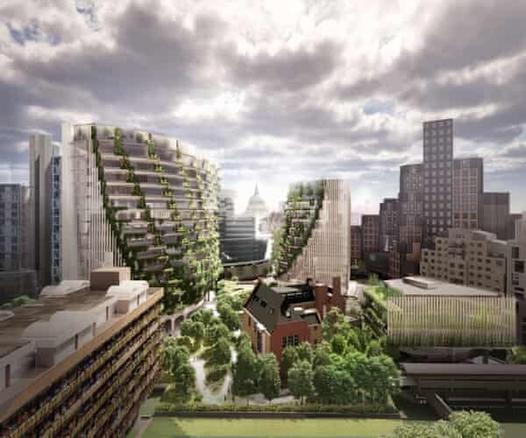
Looking at proposals for the site's future and what's there amongst the shiny new towers? Ironmonger's Hall will outlast the Museum of London on the site

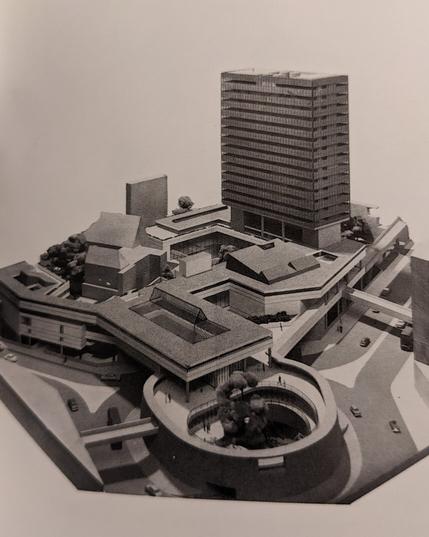
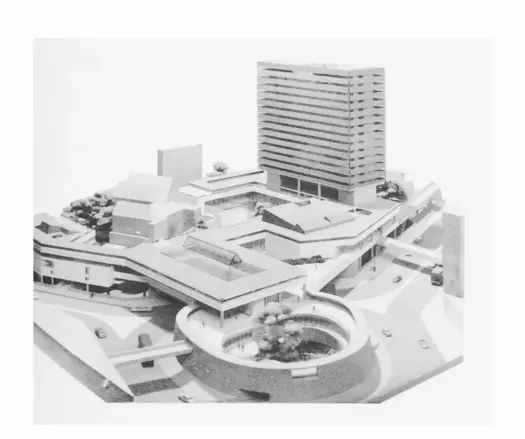
Why does the Museum of London have such a squashed croissant shape? Well, as you can see in the first image it wasn't the architects' first idea. Initially the plan was to get a compulsory purchase order and knock down Ironmonger's Hall and go from there. When permission to demolish the hall wasn't granted, the architects settled for pretty much engulfing the older building and losing a chunk out of the side of the Museum.

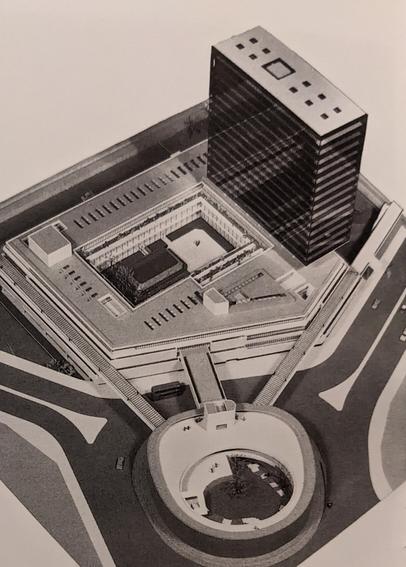
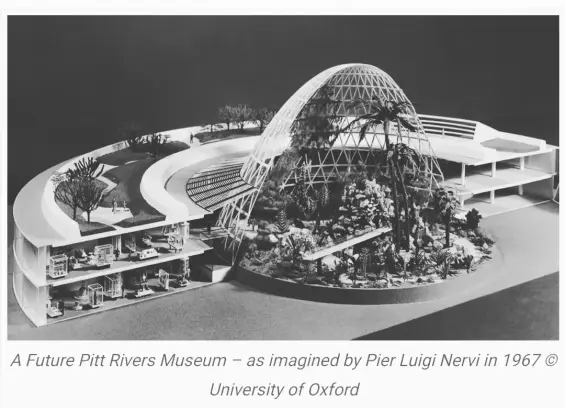
However the same reviewer also pointed out the shortcomings of Powell and Moya's Museum of London, including its 'reticence' and lack of clear entrance. The Pitt Rivers proposal was never built.

To find out more about the Pitt Rivers design please enjoy the following link:
🔗📸 https://museum-id.com/the-future-of-museums-past-and-present-pitt-rivers-ad-2065-by-dan-hicks/

1977 review of the Museum of London 🔗 https://www.architectural-review.com/archive/the-museum-of-london-by-powell-and-moya

📸2 is taken from Francis Sheppard's The Treasury of London's Past https://books.google.co.uk/books/about/The_Treasury_of_London_s_Past.html?id=6otnAAAAMAAJ&source=kp_book_description&redir_esc=y

The Future of Museums, Past and Present: Pitt Rivers AD 2065 - Museum-iD

Dan Hicks explores the potential and implications of digital […]

Museum-iD
Image 1 is a 1967 design for the Pitt Rivers museum by Powell and Moya, and contains a few ideas the architects had used in the Museum of London. Their MoL design is in image 2 from 1966. A 1977 reviewer described how at the Museum of London 'the exhibition areas have been designed round a quiet inner garden and the circulation route for the main galleries arranged on two levels' which could describe the Pier Rivers proposal too.