March 11: PhD defence: Youth, Technologies and Becomings. Rethinking Digital Literacies Through Relational Ontologies
| digital | youth |
| digital literacies | individuations |
| simondon |

| digital | youth |
| digital literacies | individuations |
| simondon |
March 11: PhD defence: Youth, Technologies and Becomings. Rethinking Digital Literacies Through Relational Ontologies

OpenAI admits that AI writing detectors don’t work
No detectors "reliably distinguish between AI-generated and human-generated content."


Artificial Intelligence (AI) grabs headlines with new tools like ChatGPT and DALL-E 2, but it is already here and having major impacts on our lives. Increasingly we see law enforcement, medical care, schools and workplaces all turning to the black box of AI to make life altering decisions– a trend we should challenge at every turn. The vast and often secretive data sets behind this technology, used to train AI with machine learning, come with baggage. Data collected through surveillance and exploitation will reflect systemic biases and be “learned” in the process. In their worst form, the buzzwords of AI and machine learning are used to "tech wash" this bias, allowing the powerful to buttress oppressive practices behind the supposed objectivity of code. It's time to break open these black boxes. Embracing Open Data in the development of AI would not only be a boon to transparency and accountability for these tools, but makes it possible for the would-be subjects to create their own innovative and empowering work and research. We need to reclaim this data and harness the power of a democratic and open science to build better tools and a better world.
 Per Axbom
 Ars Technica

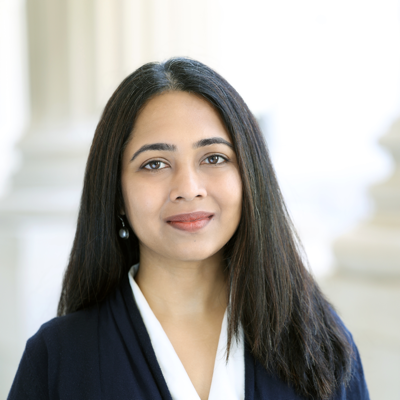 chinmayi arun
 Electronic Frontier Foundation