Excited to share my recent piece on the ICRC’s Digital Red Cross proposal, published with the Lieber Institute at West Point. https://lieber.westpoint.edu/digital-red-cross-what-would-it-defend-against/

Christian Ohanian
- 9 Followers
- 43 Following
- 41 Posts
Cyber Lawyer. Intelligence. National Security. Fmr. NSA. Believes the Detroit Lions are always one season away from a Super Bowl; views are my own.
 Whitney Merrill
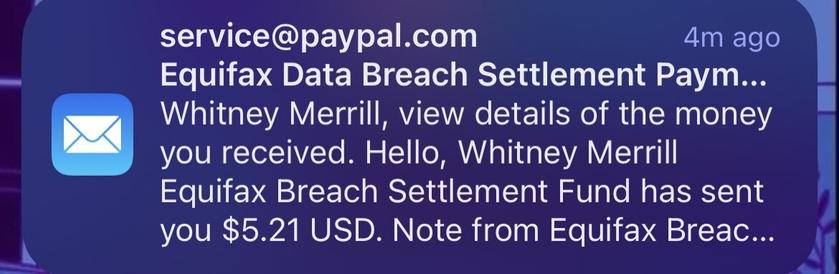
Oh gee golly. The breach of my most sensitive data (most of which I never authorized Equifax to collect and store in the first place) was worth $5.21.
That sure makes up for it. This $5.21 makes me whole.
 Ciaran Martin
Here is the second in the five part series on Substack about the lessons from the two big data breaches in Australia in the latter part of this year.
This one is about the increasing activism of Government in the general economy around cyber security.
It argues that because it's increasingly impossible to separate private from public risk in cyber security - because of the way the consequences happen - Governments are required to step in beyond the 'traditional' areas of critical infrastructure regulation.
The way they do this brings a number of opportunities and risks, but given it's an inevitable trend in most countries (though arguably the US is unique with a separate set of drivers) then getting it right is important.
Anyway, feedback gratefully received. Next article in the series will be on ransom payments on 10 January, after a Christmas and New Year break. Enjoy the holidays everyone!
https://ciaranmartin.substack.com/p/lessons-from-down-unders-data-disasters

 NSA Public Relations
Can someone give us John Mastodon's contact info? Weird that we don't have it
 Katy Glenn Bass
Hi! I run the research program @knightcolumbia. I'll post new papers/events/research program work at this account. Always on the lookout for papers/authors I should know about, so please send recs my way!
 Alex Stamos
A thought for the media organizations whose employees are getting intimidated with bans.
You can:
1) Shutdown your official accounts and pin a note why.
2) Ask all of your reporters to do the same and to regularly retweet the official post.
3) Make link sharing harder with a robots.txt entry.
You will have to trade short-term traffic for freedom from a platform that will ban you for negative coverage.
https://developer.twitter.com/en/docs/twitter-for-websites/cards/guides/getting-started

Just finished @agreenberg’s Tracers in the Dark, almost done with Sandworm, planning on reading @daniellecitron ’s The Fight for Privacy next, any other recommendations?
Best Thursday night football game all season. Now to sleep for a few hours before my son wakes up :)
Really interesting article on IHL’s application to cybersecurity companies that might be assisting the Ukrainian government by @Pwnallthethings https://open.substack.com/pub/pwnallthethings/p/no-tech-companies-and-cybersecurity?r=1u1too&utm_medium=ios&utm_campaign=post

 Kai Ryssdal
RT @jseldin
NEW: Record number of passengers bringing guns to US airports
"We're going to break last year's record - last year broke the prior year's record - for the number of firearms we find at our checkpoints" @TSA_Pekoske tells #AspenSecurity DC