 Dave Aitel
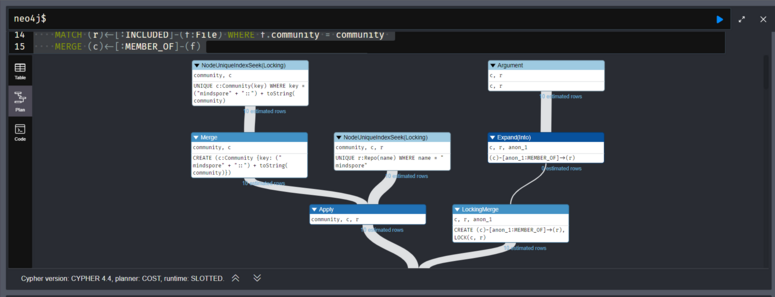
The #Neo4j Query Planner is honestly one of the best parts of it. You just put "EXPLAIN" in front of your query and then it shows you a graph with estimated cost at each step.

@Toxic_Flange that keyboard reminds me of my first real career job building custom ipfilter firewalls on Sun UltraSparc 5's. I do not miss Solaris one bit, but the hardware will always hold a spot in my heart. Learned a ton about hardware while trying to make their bigger brothers, the 220Rs (might have been 280Rs) handling our DMZ traffic, pass a gigabit. I think we even tried a 4500 at one point before learning about the limitations of the 32-bit PCI bus.
Then came the surprisingly easy porting effort of moving all our code from Solaris to OpenBSD running on Intel hardware. Went from barely passing 200mbit to easily hitting 600mbit on boxes less than a quarter the cost. The gig goal was never really achieved, but the upgrade gave us plenty of headroom for production traffic. And a slight network redesign moved all the backup traffic which had been compounding the problem.