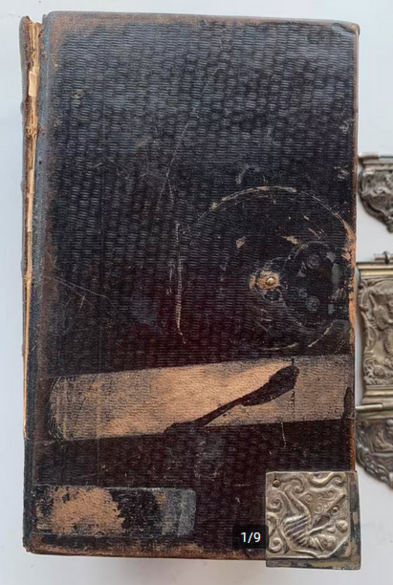
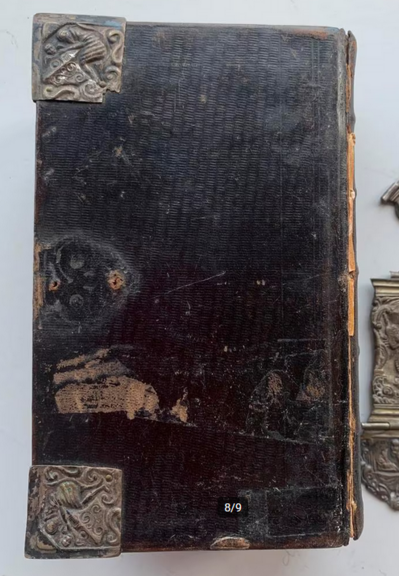
ghostprint? How would you name these imprints of binders waste?
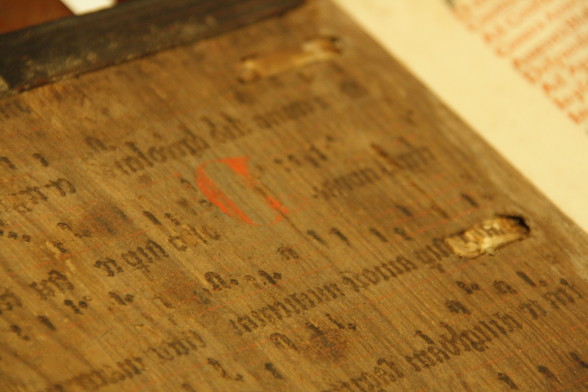

How to recognize the reuse of bookbindingmaterials in a bookbinding? Here are some hints for you (In Dutch and English)
http://boundforhistory.com/2024/03/26/banden-in-banden-hoe-herken-je-hergebruik/

Jump to Englis version: Bindings in bindings: recognizing reuse De eerste stap bij het bestuderen van hergebruikte boekbandmaterialen is het herkennen ervan. Soms is dat heel eenvoudig, soms een sp…

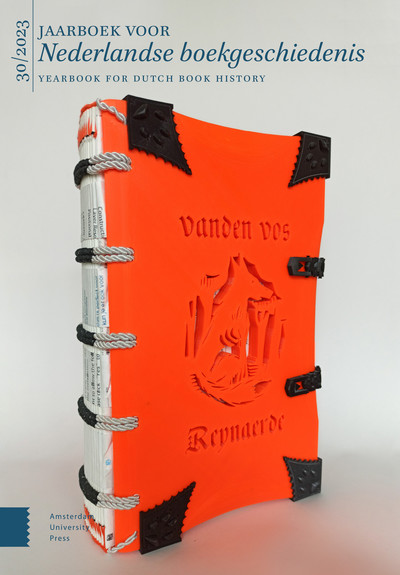
Abstract Unorthodox as it may seem, 3D printing can be applied in book production. This contribution features seven books for which the 3D printer has been used. Three of the featured works have a 3D printed binding; they have been custom made, and hand-bound, by artisanal bookbinders in collaboration with 3D print designers. Another work, published in a regular print run, comes in a 3D printed slipcase. The fifth work is a unique production by a designer and an author; its pages, all in braille, are 3D printed. The final two works have been 3D printed in their entirety – pages and binding: one is the result of a mass project with hundreds of participants, and the other a designer’s individual project. The 3D printer offers novel possibilities for making books as well as new perspectives on book design, as it re-emphasizes the three-dimensionality of the material object.
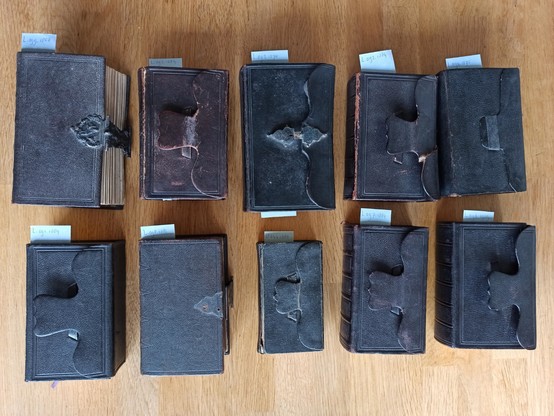

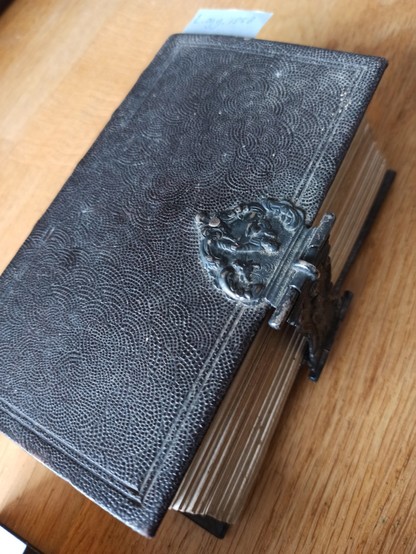
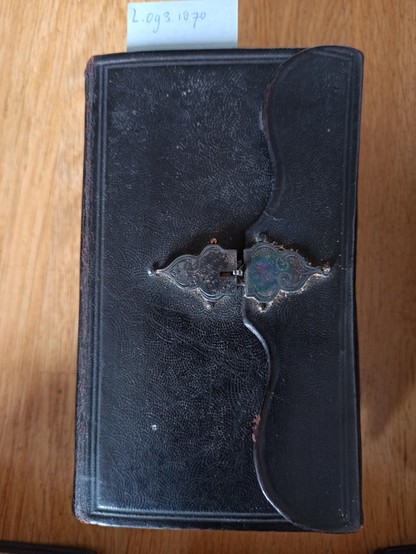
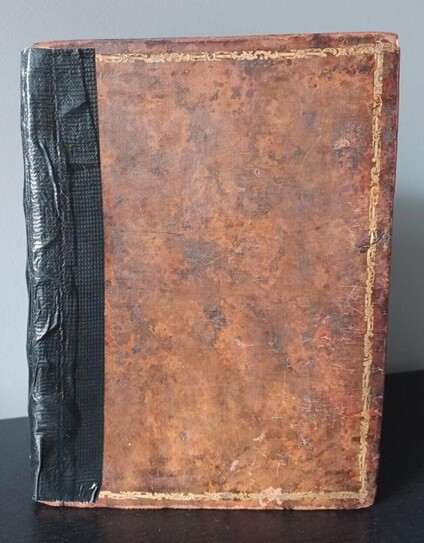
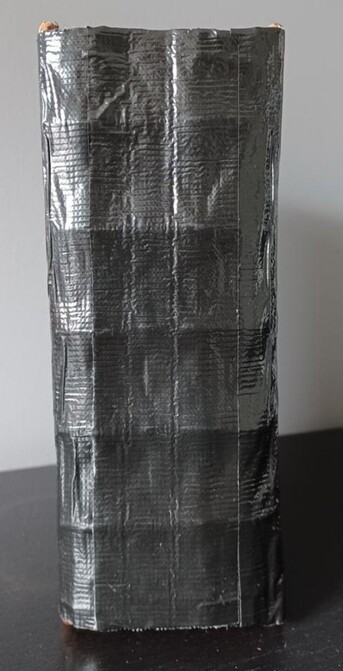
Can you imaging repairing a 18th c leather goldtooled binding with black ducttape?
When you dó find adhesive tape on your 18th c leater binding, just rip it off. No-one will notice.
#booksinpain #adhesivetapeonbooks
@bookhistodons
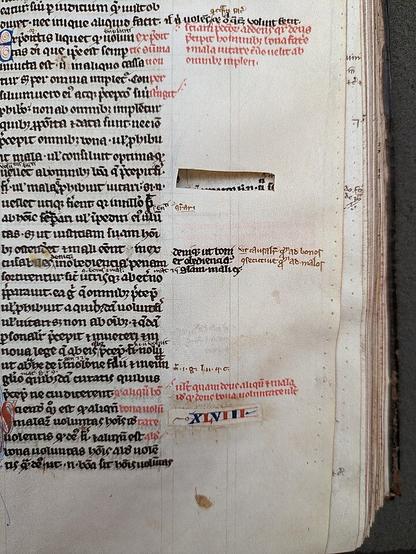
Medieval cut-and-paste: the rubricator put the red and blue section number "XLVIII" in the wrong place, so the owner of the book cut it out and stuck it in the correct place, lower down the same margin:
(Oxford, University College, MS 55 https://medieval.bodleian.ox.ac.uk/catalog/manuscript_13037)



 John Overholt
 mssprovenance