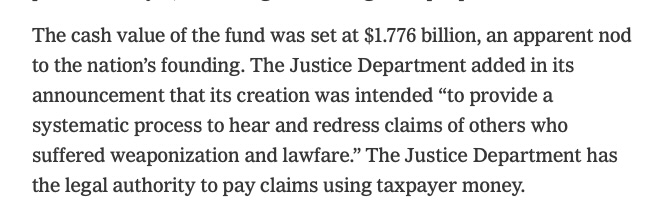
Something sublime about the simplicity of it. Liberal sanctimony is easily reversed into grounds for reactionary wish-fulfillment. The words don't have to change at all: "weaponization," "lawfare."
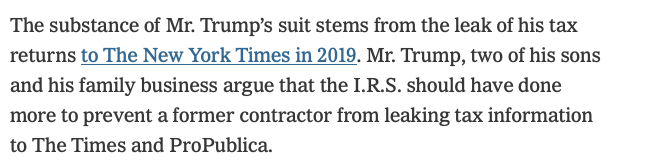
It's all poison. But remember how publicizing the tax returns was going to be such a great liberal triumph?
jfc all I want to do is buy some socks
Once these Let Billions Suffer voters see how gruesome letting billions suffer gets they will surely come crawling back to the Let Millions Suffer party and we’ll finally be able to win elections without catering to those troublesome Nobody Should Suffer radicals
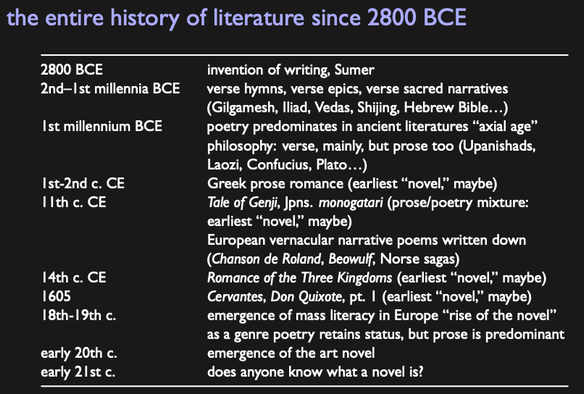
obviously it's just engagement bait, but presenting a list of 100 novels as "the greatest literature" is indeed…symptomatic. Perhaps they would enjoy this slide I made for my intro students
Spare a thought for the everything-is-bayesian-updating people. Once champions of smug-probability-knowing, now out-smugged by purveyors of it-just-works! brute-force maximum likelihood estimation
Sora, generate a black comedy combining nuclear annihilation and paranoia about impure substances entering the body; include a mad inventor running loose in the military-industrial complex
New from me: "Pronatalism isn't sending their best."
In which I cast considered doubt on the precious bodily fluids fecundity theory of fertility decline.
Pronatalism is not sending the...
Pronatalism is not sending their best
Birth rates are falling, but it’s not because of falling sperm counts and toxic soup.
wile-e-coyote-looking-down moment on papers here for me. Yo, software engineers: congratulations on a technical achievement fully comparable to the invention of fracking



 ceej
ceej Philip N Cohen