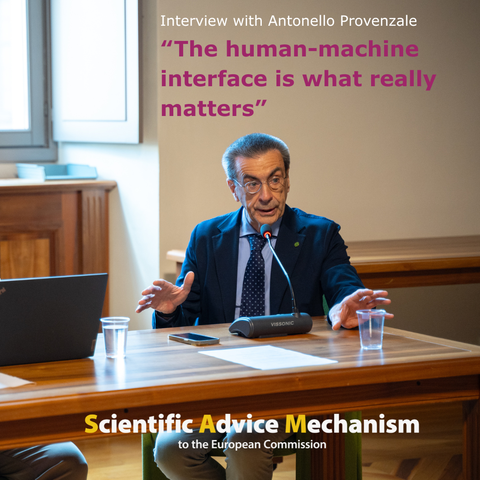
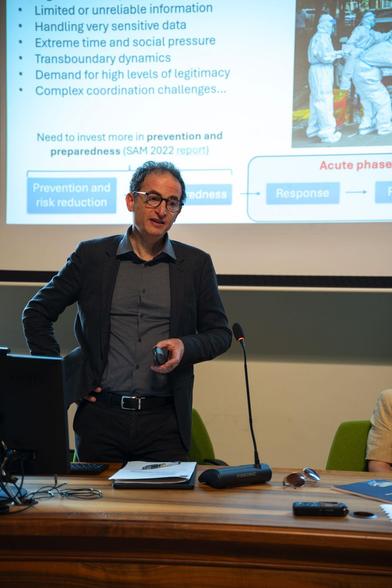
“We cannot rely solely on the Internet during disasters.”
— Antonello Provenzale on the challenges of using AI in crisis management.
In our interview, the physicist & climate scientist shares insights from moderating our event "AI for Crises and Emergencies: Understanding and Communicating Disasters" (12 June 2026).
Key themes: human oversight of AI, the speed vs. rigor dilemma, and the need for offline solutions.
Read the full interview: https://scadv.eu/K0G7Gp2
It's the 2nd in our series. The first asked the hard question behind Europe's upcoming Advanced Materials Act: can advanced materials underwrite a credible European strategic autonomy? Our panel debated definitions, circularity, scale-up & risk culture. Watch the replay:
https://scadv.eu/QUBKb89
Advanced materials: Is strategic autonomy achievable for Europe? – Scientific Advice Mechanism
No description
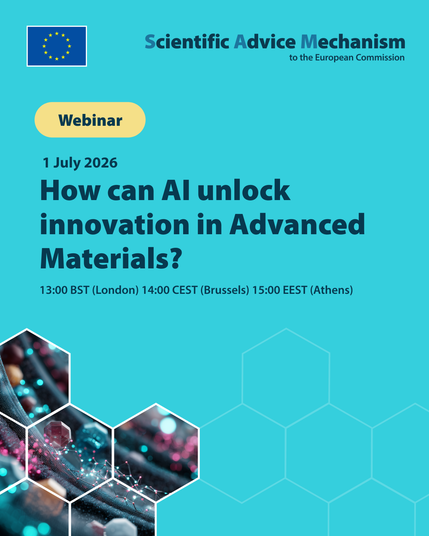
Join us online on 1 July 2026, 14:00–15:00 CEST for "How can AI unlock innovation in Advanced Materials?"
Our expert panel explores how AI & Digital Twins can help build materials that are safe AND sustainable.
Free, open to all & a chance to ask our experts your questions. https://scadv.eu/WNOx7L0
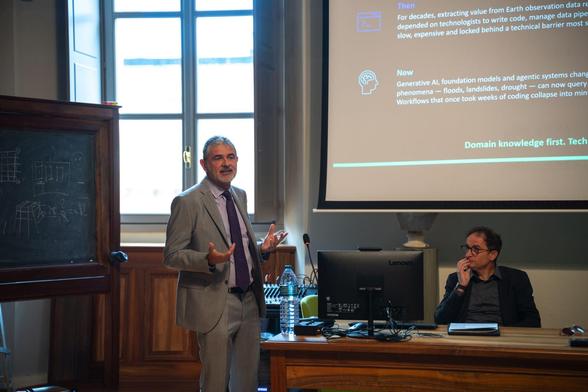
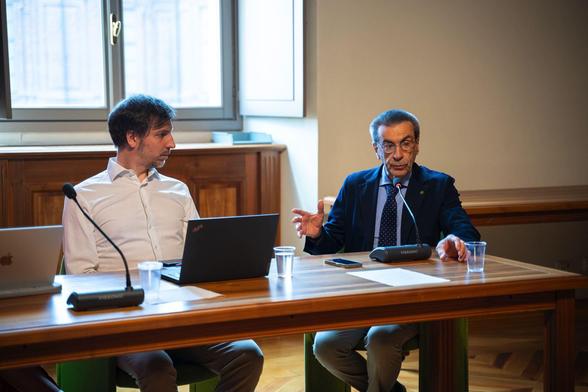
Thanks too to moderator Antonello Provenzale, to the Accademia for hosting us so warmly, to ALLEA & the SAPEA consortium, and to all who joined. This is how we make sure AI serves people when it matters most.
Report & Statement: https://scadv.eu/2PBpUXP
Event & photos: https://scadv.eu/I7jiTRy
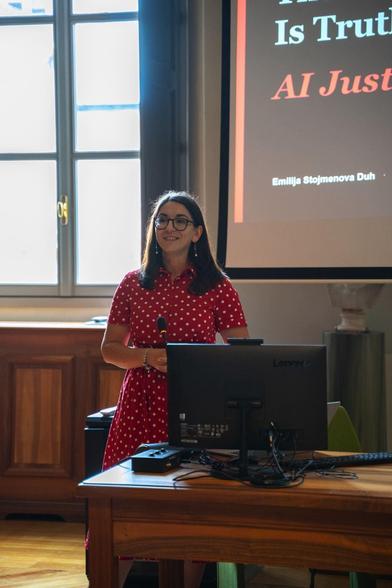
Drawing on the SAPEA Evidence Review & the Statement of the Group of Chief Scientific Advisors, we explored prediction, damage assessment, trust, human control, sovereignty, and misinformation. Thank you to our speakers: Tina Comes, Rémy Slama, Piero Boccardo, Thomas Kox & Emilija Stojmenova Duh!
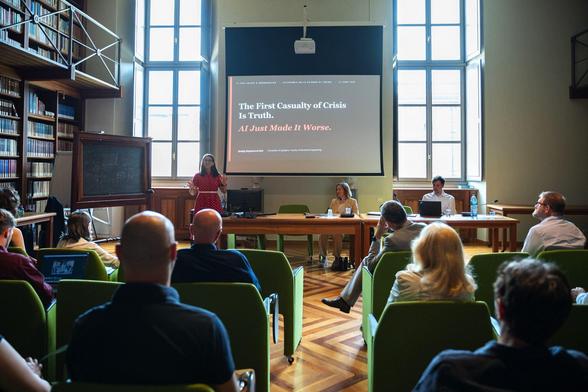
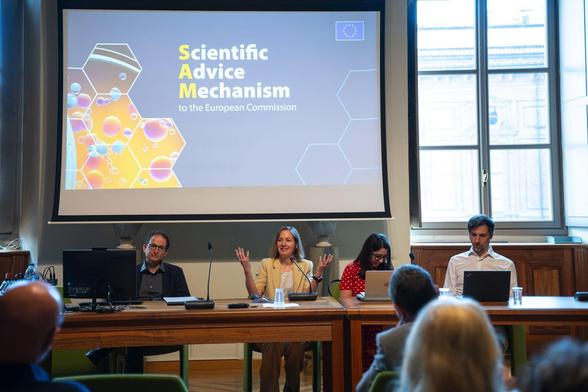
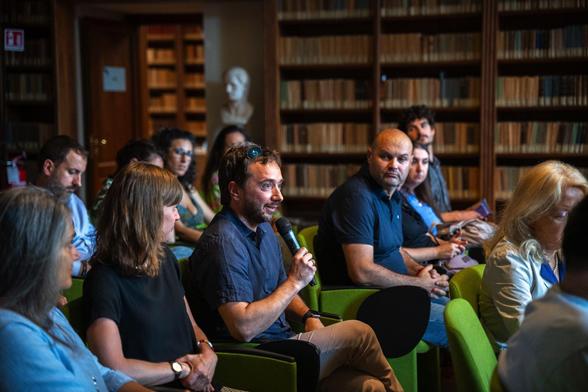
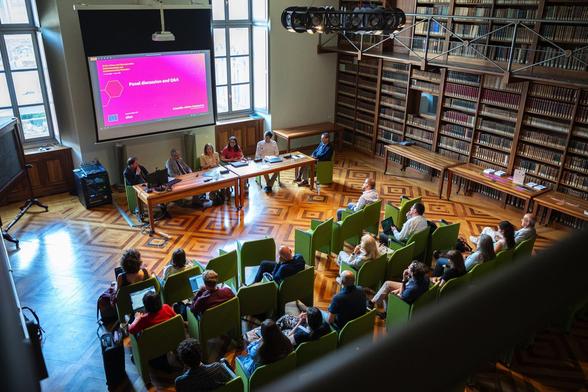
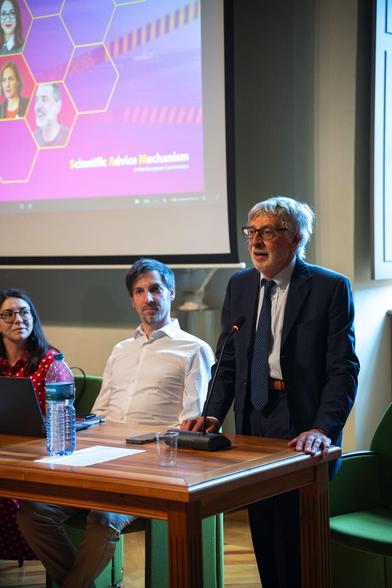
A few days ago, we gathered at the beautiful Sala Vallauri of the Accademia delle Scienze di Torino for "AI for Crises and Emergencies: Understanding and Communicating Disasters", unpacking what AI can and can't do when crises hit.
Topics ranged from the Copernicus Emergency Management Service and AI-assisted early-warning systems to misinformation dynamics and the promise of agentic AI and chatbots for personalised emergency communication. A recurring tension was the “Goldilocks dilemma”: AI tools that go unused offer no benefit, while those adopted uncritically risk eroding the very human expertise they are meant to support.
The event drew on SAPEA’s recent evidence review report Artificial Intelligence in Crisis and Emergency Management and the accompanying statement of the EU’s Group of Chief Scientific Advisors. Speakers explored AI’s potential to improve hazard prediction and disaster analysis alongside its well-documented risks: AI-generated disinformation, hallucinations in large language models, algorithmic bias, and the inadequate representation of vulnerable populations.
Leonardo is a thematic news programme, that combines a focus on daily current events with rigorous reporting and in-depth analysis. The topics covered include not only science and technology, but also health, the environment, the economy, and society in general.
Watch the full episode here in Italian:
https://scadv.eu/Ri96Kfg
During the event, we welcomed journalists from Rai (Radiotelevisione Italiana), who covered the discussions for their programme Leonardo, including interviews with SAPEA Chair Tina Comes and the day's moderator, Antonello Provenzale.