Andrew Damitio

@Andrewdamitio
92 Followers
79 Following
43 Posts
Environmental Economics and Policy | Municipal Reformer | Lover of the Pacific Northwest | YIMBY | Techno-Optimist | Opinions Mine, Not My Employer's |

A reminder that while the day to day news cycle is often negative, positive changes are happening all around us.

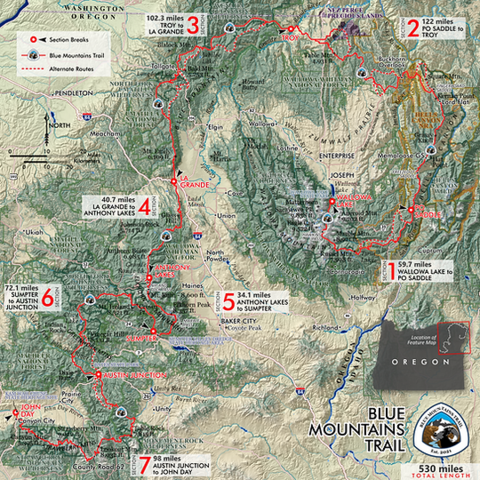
For example: In 2021, the Blue Mountains Trail quietly opened in Northeast Oregon. It meanders through the Strawberry, Blue, and Wallowa Mountains from John Day to Wallowa Lake.

It's 530 miles, and only 7 people have completed it end-to-end.

There's been very little news coverage of such an incredible new amenity.
https://www.wallowa.com/news/local/the-long-way-riley-gill-joins-a-handful-of-hikers-who-have-completed-northeast-oregon/article_bd80cc5e-129a-5dab-aca9-5c27684b4ad4.html?utm_medium=social&utm_source=twitter&utm_campaign=user-share

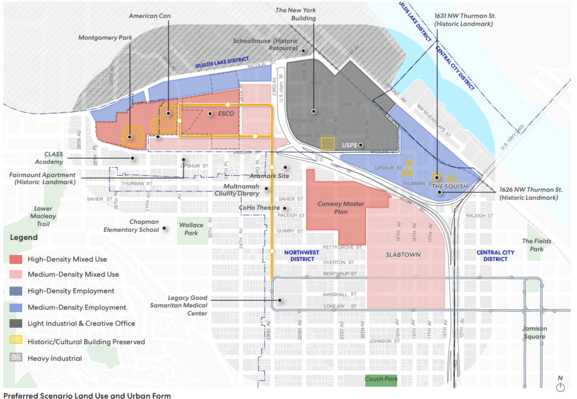
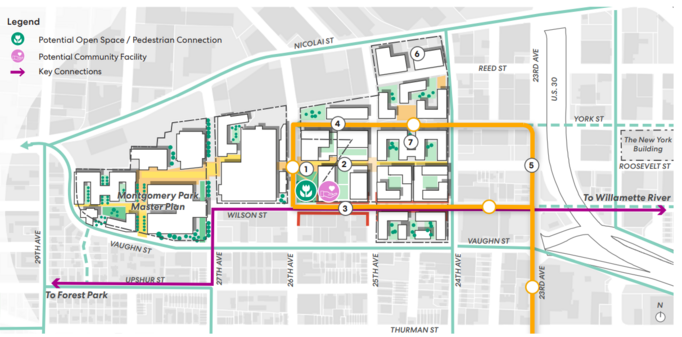
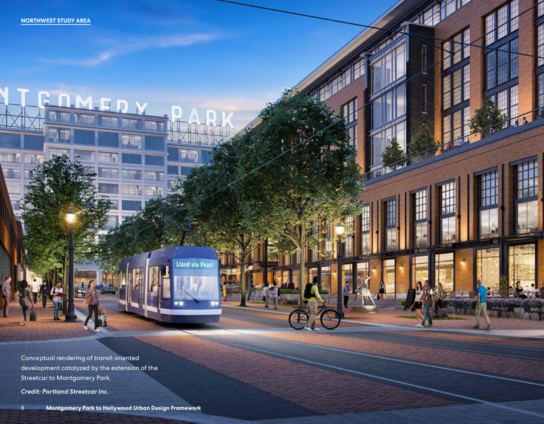
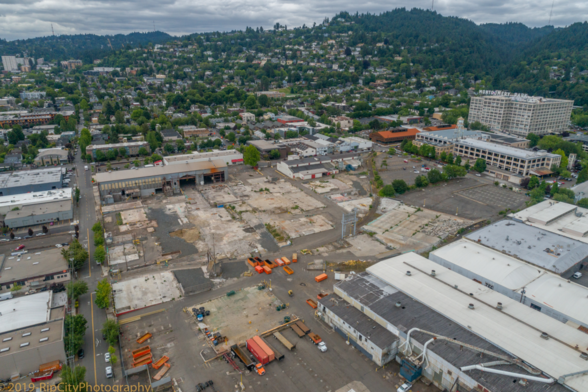
While NW Portland's industrial area is underutilized, I'm increasingly skeptical of proposals to replace scarce industrial land with non-industrial use, even if it's dense residential development.

Cities cannot merely be places of consumption & services. Non-college educated middle income employment must exist in an equitable city.

Industrial areas are just easy targets for redevelopment because there aren't existing homeowners to complain about neighborhood changes.

https://www.portland.gov/bps/mp2h/mp2h-discussion-draft-documents

MP2H project documents

MP2H Discussion Draft and other project documents.

Portland.gov

It took under 11 years from the creation of NASA to the moon landing.

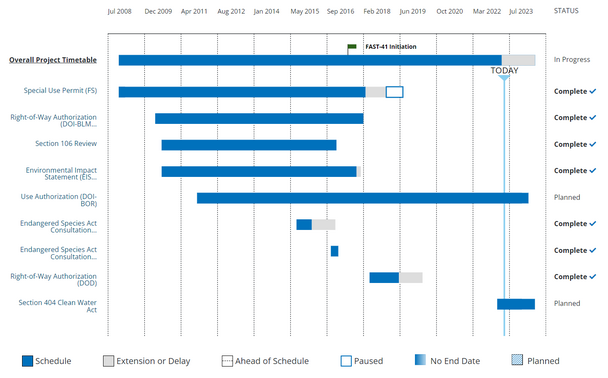
The timetable for Federal approval of a the Boardman to Hemmingway transmission line in NE Oregon is 16 years, with final CWA and BOR approval expected in 2024.

Concurrent state approval processes have taken almost as long. Oregon's review finished in 2022, and required the state Supreme Court to throw out challenges to the approval.

We can't meet our clean energy targets if it takes 16 years to approve transmission lines.

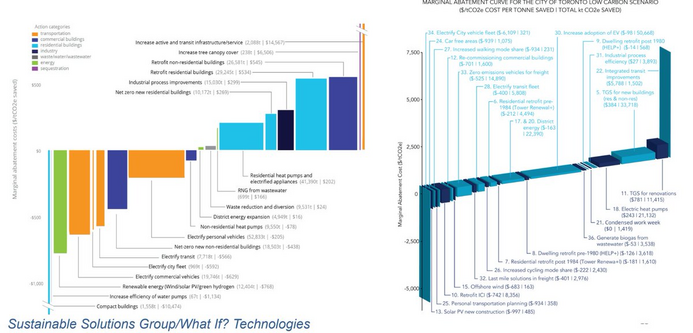
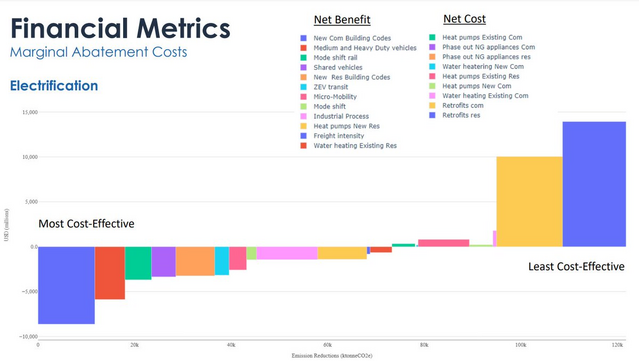
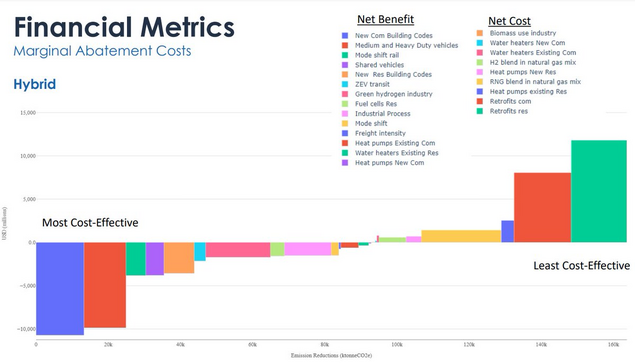
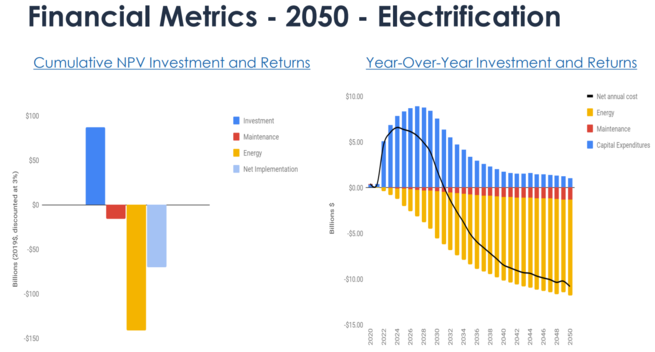
These slides from the Oregon Global Warming Commission's Roadmap to 2035 presentations are fascinating.

The marginal abatement costs for many environmentally friendly actions like electrifying vehicle fleets or updating building codes are negative.

As in, doing them saves money and grows the economy, regardless of their climate impact.

There's free medium-to-long term economic growth sitting there for policymakers to unlock.

https://www.keeporegoncool.org/tighger

Roadmap to 2035 — Keep Oregon Cool

Keep Oregon Cool

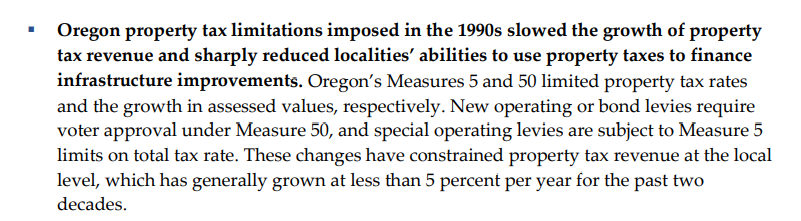
Property tax assessment limits and rate caps passed in Oregon were promoted as a way to shield poorer homeowners from oppressive taxes.

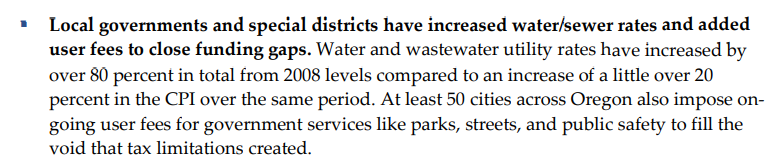
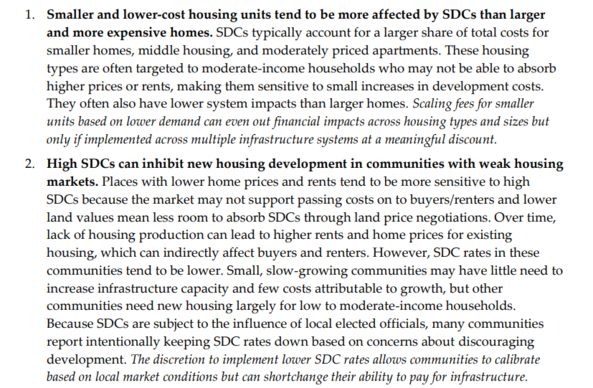
Underdiscussed is how cities shifted revenue sources to compensate for property tax losses. Water/Sewer charges are up. So are development charges, which disproportionately raise the cost of affordable housing.

Both of those shifts disproportionately impact the poor.

Has the shift away from property taxes been net regressive?

https://www.oregon.gov/ohcs/development/Documents/Oregon%20SDC%20Study_Report_PublicReviewDraft_101822.pdf

All of this has been known for decades.

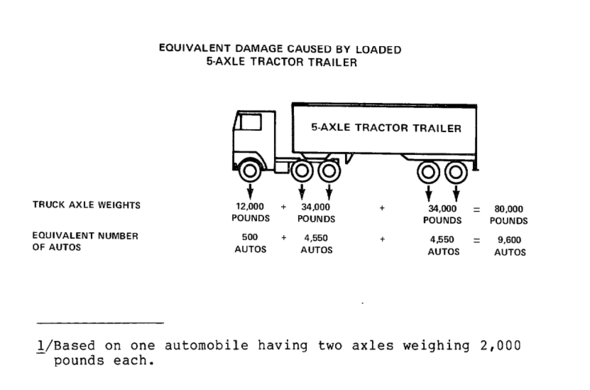
A 1979 GAO study found that a single 40-ton vehicle damages roads equivalent to 9,600 vehicles, each weighing 4,000 pounds.

The report's name: Excessive Truck Weight: An Extensive Burden We Can No Longer Support

But the US government ignored it, and we're all paying higher road taxes now as a result.

If the US had a greater and faster freight rail system, we'd have lower taxes and cheaper goods. Trucking is expensive!

http://archive.gao.gov/f0302/109884.pdf

It's bad enough that big rigs don't pay their fair share of road taxes.

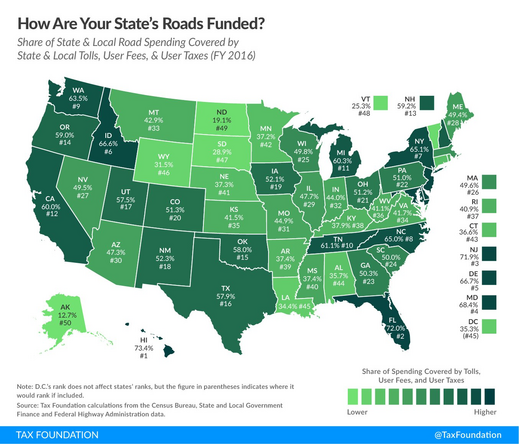
But it gets worse: roads in the US are subsidized by taxes not paid by road users.

Tolls, gas taxes, registration fees, they cover between 31.5% and 73.4% of state and local road spending.

Beyond that, roads are subsidized by other sources:

I.E. Road users don't pay for themselves.

Everyone who doesn't own a car subsidizes those who do.

It's a massive subsidy. The US spends $200 billion a year on road maintenance.

Every semi-truck company is being subsidized by the government by ordinary road users.

We really, really need to move freight away from highways and more towards rails and waterways.

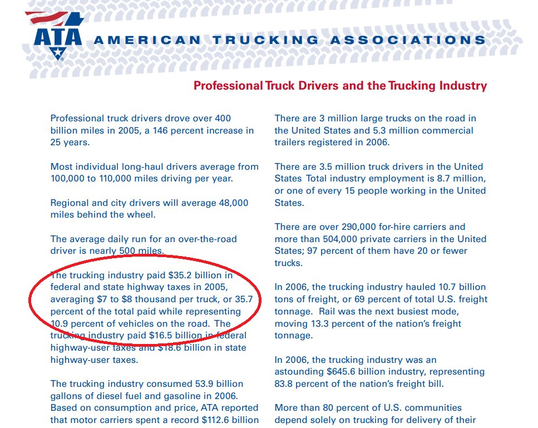
Big rigs cause >95% of road damage in the US, but pay of 35% of Federal and state highway taxes, and are only 11% of vehicles on the highways.

https://truecostblog.com/2009/06/02/the-hidden-trucking-industry-subsidy/#link1

https://web.archive.org/web/20081209114845/http://www.truckline.com/Programs/Documents/Image%20Tools%20and%20Information/Trucking%20Industry.pdf

The Hidden Trucking Industry Subsidy

True Cost - Analyzing our economy, government policy, and society through the lens of cost-benefit

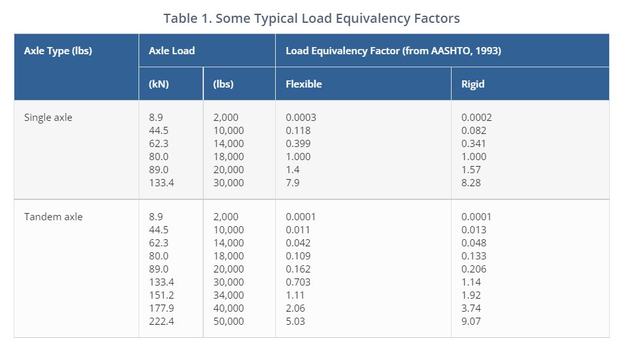
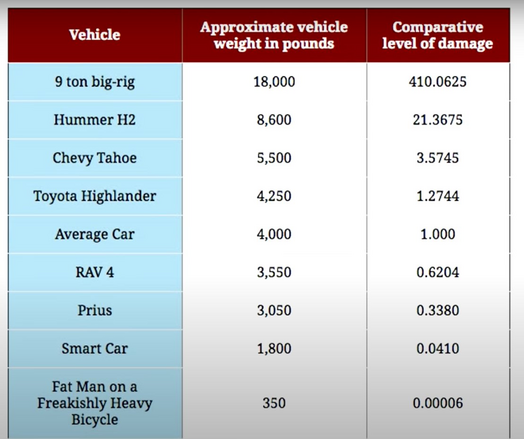
Road wear/damage is correlated with vehicle weight to the 4th power. Taxing large SUVs at 2-4 times that of a small car (like the gas tax) doesn't make up for the damage they do.

Currently, small vehicle subsidize wear and tear caused by larger vehicles.

The rising size of vehicles in the US doesn't just have an impact on pedestrian deaths, it's creating a ticking time bomb of rising road repair costs.

To fix this, vehicle taxation should be calculated based on relative road wear by vehicle.

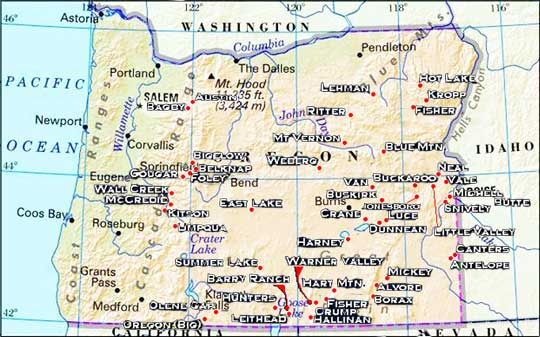
Oregon's hot springs are incredible assets, but they're chronically underinvested in.

Nearly every one is either unimproved, vandalized, full of trash, closed to public access, at a gated off resort, or a little-known local secret.

We can do better.

Oregon's tourism economy and quality of life for residents would both improve significantly if the state created a comprehensive strategy for working with partners to improve hot springs access and infrastructure.

http://oregonhotsprings.immunenet.com

Hot Springs of Oregon - A Detailed Hot Spring Directory

Offering detailed maps, hours of operation, and contact information for all Oregon hot springs and hot pools.